In the vast universe of video gaming, the Xbox stands out as a console that has brought us many engaging and beloved franchises. These franchises, like Halo, Gears of War, and Forza, have not only gained a massive following but have also significantly shaped the gaming culture. However, not every popular title manages to resonate with every player, and it's interesting to delve into why certain games might not strike a chord with everyone.
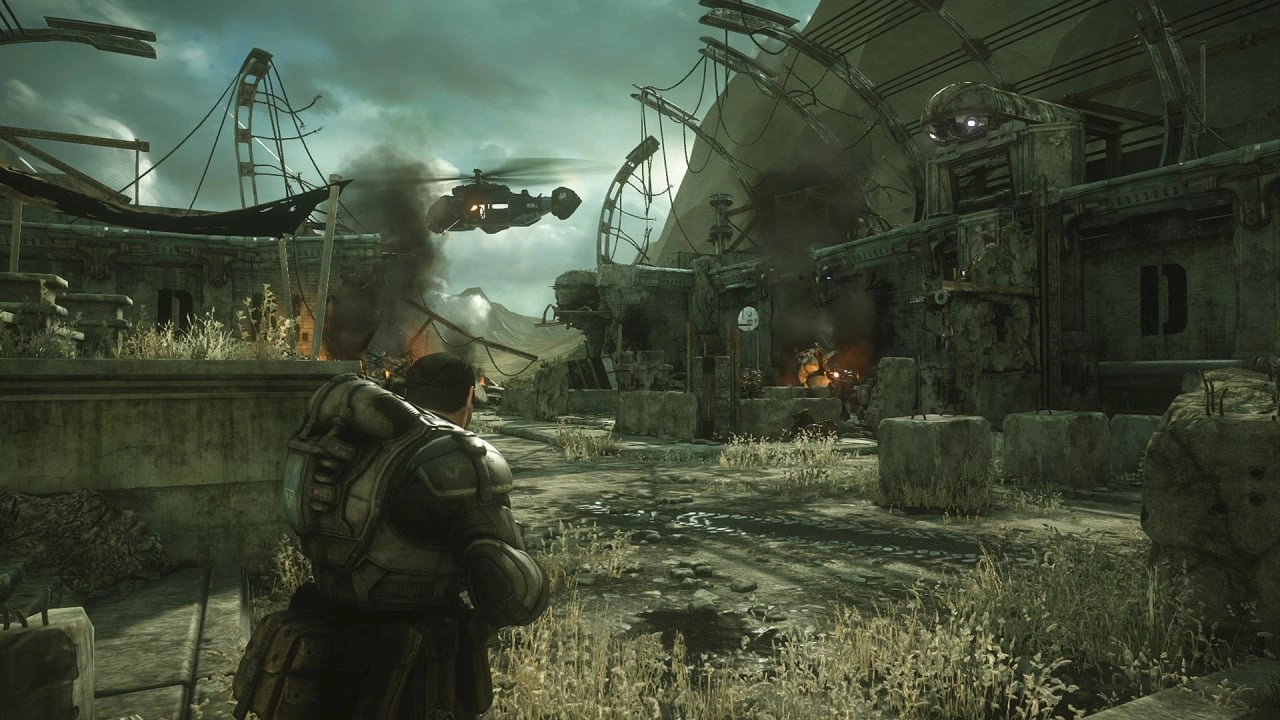
Let's consider the Gears series, for instance. Despite its critical acclaim and the innovations it brought to the Xbox, some players find it difficult to maintain interest in the franchise. When Gears 5 was released, it featured stunning graphics that showcased the capabilities of the Xbox Series X, and the strategy-based Gears Tactics offered a fresh take on the universe. Yet, for some, these titles didn't captivate or maintain their attention as much as expected.
This disconnection isn't confined to just the Gears series. Each of the major Xbox franchises has its segment of detractors, despite their popularity and high sales figures. For instance, Halo is a monumental name in gaming and a flagship title for Xbox, yet there are gamers who confess to never really enjoying it, even after giving multiple entries in the series a try. Similarly, the Forza series, known for its remarkable realism and engaging mechanics, may not appeal to those who aren't enthusiasts of racing games.
The question then arises: What makes a game resonate with some but not with others? Several factors contribute to this phenomenon. Personal taste plays an undeniable role. Some players might prefer fast-paced, action-packed gameplay, which can be found in franchises like Call of Duty, newly included in the Xbox family. Others might lean towards strategy, intricate narratives, or immersive role-playing experiences offered by series like The Elder Scrolls or Fallout.
Moreover, the gaming community's expectations can also influence individual perceptions. When a game receives extensive media coverage and community hype, as Black Ops 6 did during its release, players might go into the game with heightened expectations. If these expectations are not met, the overall experience can feel disappointing, contributing to a lack of interest in continuing with the franchise.
Outside of the mainstream hits, there are games that have achieved cult classic status, such as Sunset Overdrive and Titanfall. These games have a dedicated fan base but have also been criticized by some players. This diversity in gaming preferences highlights the subjective nature of gaming as an entertainment medium.
Considering the broad variety of games available on Xbox, it's natural for players to gravitate towards what resonates best with them, even if it means not engaging with some of the console's most significant titles. It’s essential for the community to recognize and respect these varied preferences, promoting a more inclusive gaming culture.
Engagement with different franchises often depends on multiple attempts and the evolution of the player's tastes over time. Sometimes revisiting a franchise after some years can lead to a newfound appreciation for its qualities. Whether it's the storytelling aspects, gameplay mechanics, or the overall game design, different elements might appeal to a player at different stages of their gaming journey.
As Xbox continues to expand its library with everything from blockbuster hits to indie gems, it reminds us that gaming is a personal journey, defined by individual preferences and experiences. Not every title will be beloved by every player, but the breadth and depth of Xbox’s offerings ensure that there is something for everyone, marking the true spirit of what gaming is all about.

You must be logged in to post a comment!
