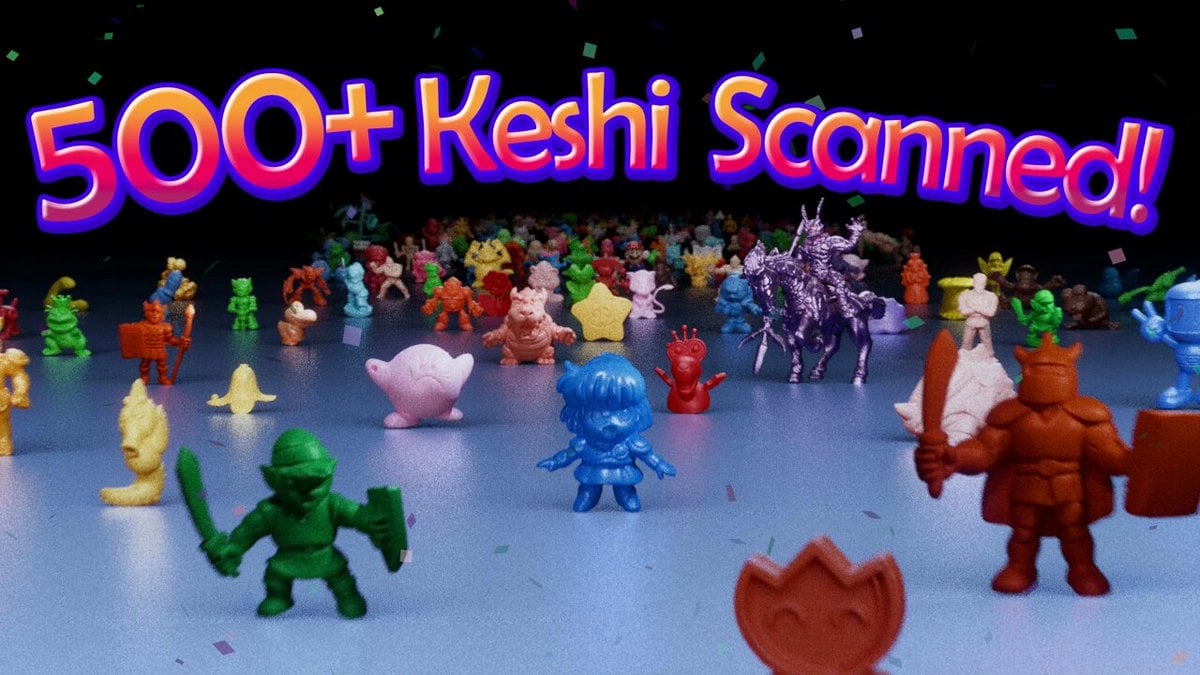
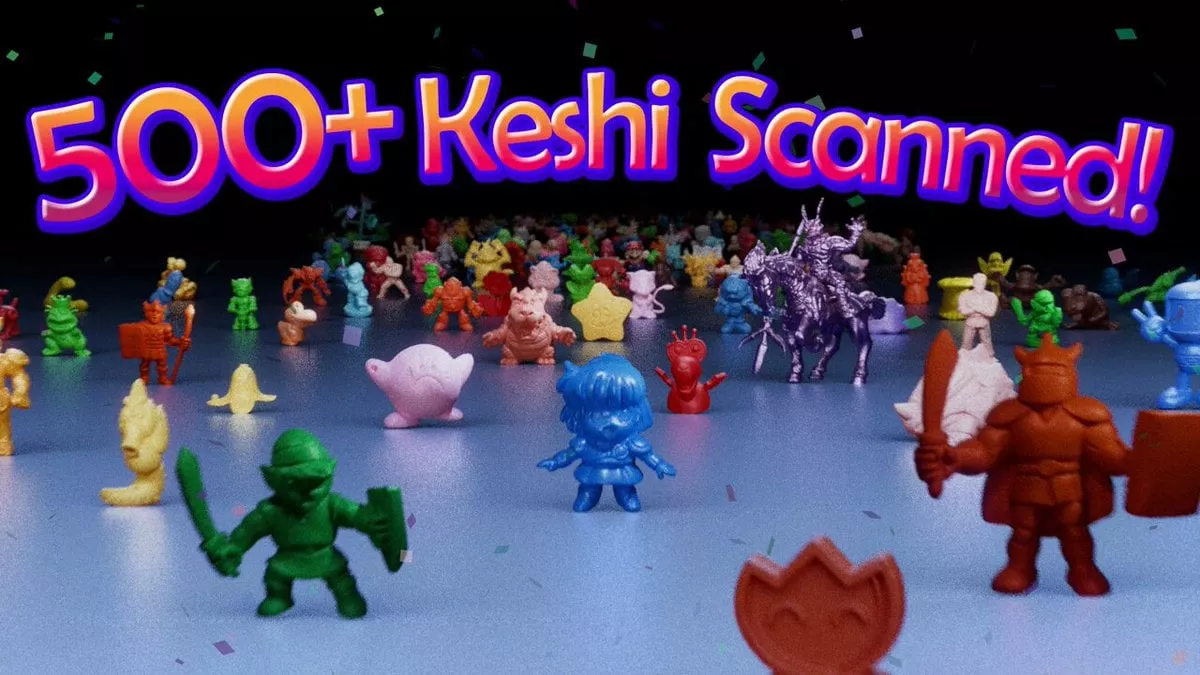
In the vibrant and nostalgic world of video game merchandise, one individual stands out for his dedication to preservation. Mr. Talida, the creator of Keshi Corner and an avid collector, has achieved a significant milestone in his project focused on preserving video game-related Keshigomu, a type of Japanese rubber figure that was popular in the 1980s and 1990s. Through meticulous work and considerable investment, he has successfully scanned more than 500 of these figures, contributing significantly to the archival of video gaming history.
The journey began in early October 2022 when Mr. Talida announced his intent to digitize his personal collection of Keshigomu figures, which numbered just a few dozen at the time. The goal was both scholarly and benevolent—to document and research a somewhat obscure facet of video game marketing and to ensure these cultural artifacts remain accessible to enthusiasts and researchers far into the future. Since then, he has made enormous strides by scanning several complete sets from beloved game series including The Legend of Zelda, Zelda II, and different iterations of Super Mario Bros.
Mr. Talida's process involves acquiring these rare figures—often at great personal expense—researching their origins, painstakingly scanning each piece with high-precision equipment, and then uploading the digitized files to the internet. Each figure is available as an STL file, a widely used format in 3D modeling. These files are ready to be downloaded, rendered, animated, or even physically reproduced using 3D printing technology by fans and hobbyists across the globe.
This admirable effort to preserve video game culture isn’t just a hobby but a rigorous endeavor requiring deep pockets and endless patience. Mr. Talida himself admits to spending "thousands of dollars and hundreds of hours" on this project. Yet, his passion is palpable—as is his satisfaction in reaching the milestone of over 500 figures scanned and available for public access.
The significance of Mr. Talida's work extends beyond simple nostalgia. These Keshigomu figures, often used for promotional purposes during the golden age of arcade and video games, serve as a tangible touchstone to the past. They represent a unique intersection of gaming culture, marketing trends, and artistic expression from that era. By making high-quality scans freely available, Mr. Talida ensures that they are preserved as digital artifacts that might otherwise be lost to time due to physical degradation or obscurity.
For Mr. Talida, the project is far from complete. With countless more figures out there, the quest continues to track down, acquire, and digitize these pieces of gaming history. Each addition to the digital archive helps paint a fuller picture of the gaming culture of yesteryears and provides valuable resources for historical research, creative inspiration, or simple enjoyment.
The impact of such a project is far-reaching. It not only serves the immediate community of retro gaming enthusiasts but also aids academic researchers focusing on the cultural and economic aspects of gaming history. Furthermore, it offers artists and designers access to a library of figures that can be studied, reimagined, or incorporated into new works, thus fostering a cycle of creative innovation inspired by vintage artifacts.
Mr. Talida's continuing efforts highlight the importance of preservation in the digital age and demonstrate how individual dedication can lead to substantial contributions to collective memory and understanding. His work ensures that these small, rubber figures will continue to inspire and educate far beyond their original commercial life, securing their place in the digital pantheon of video game history.

You must be logged in to post a comment!
