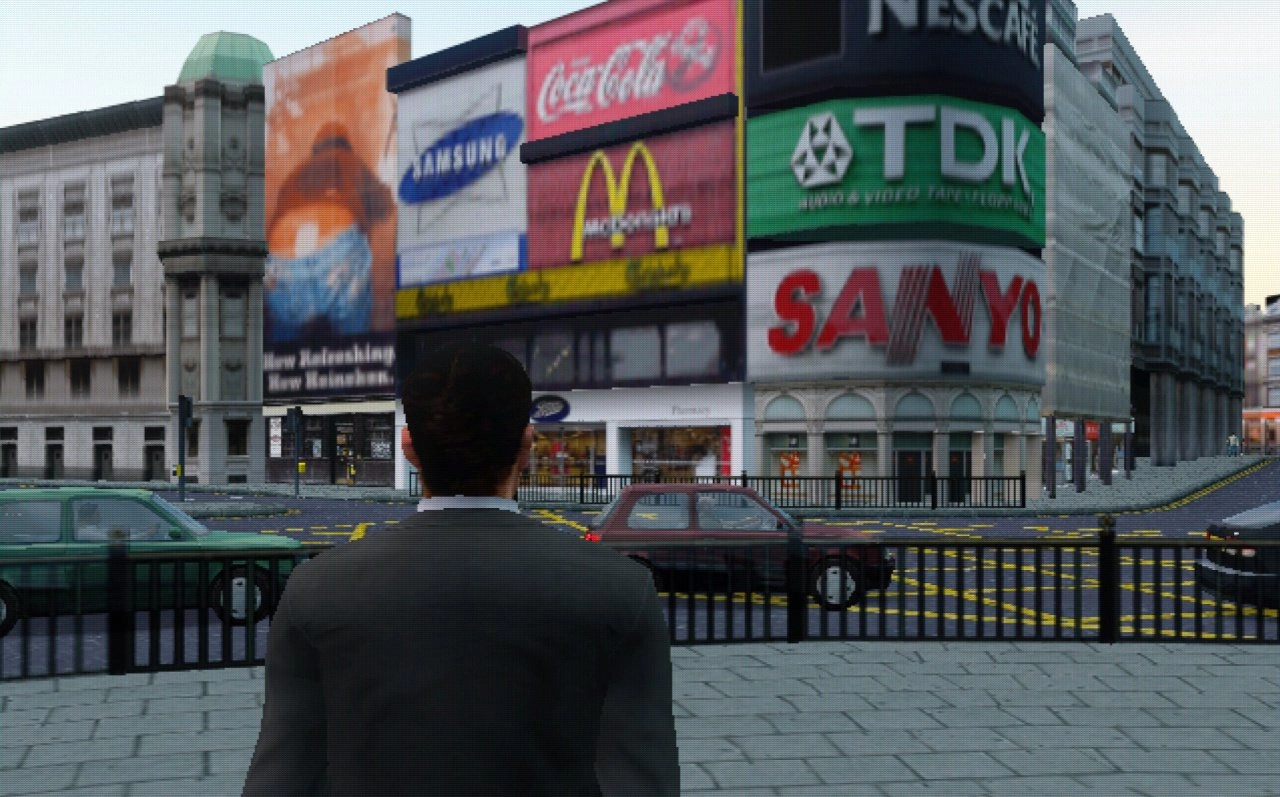
The gaming world often pauses to look back at milestones that set new benchmarks. One such game that recently resurfaced in conversations is The Getaway, a title that captivated many upon its release on the PlayStation 2. This game was not just another release; it was an ambitious project that promised to bring the bustling streets of London into the living rooms of gamers all around the world.
Developed by Team Soho, The Getaway was heralded as a technical marvel designed to demonstrate the capabilities of the PS2. Initially, the developers aimed to map out an expansive 113 square kilometers of London for players to explore. Though the final version included only 16 square kilometers, the game still managed to offer a substantial portrayal of the city, capturing the essence of London at the dawn of the new millennium.
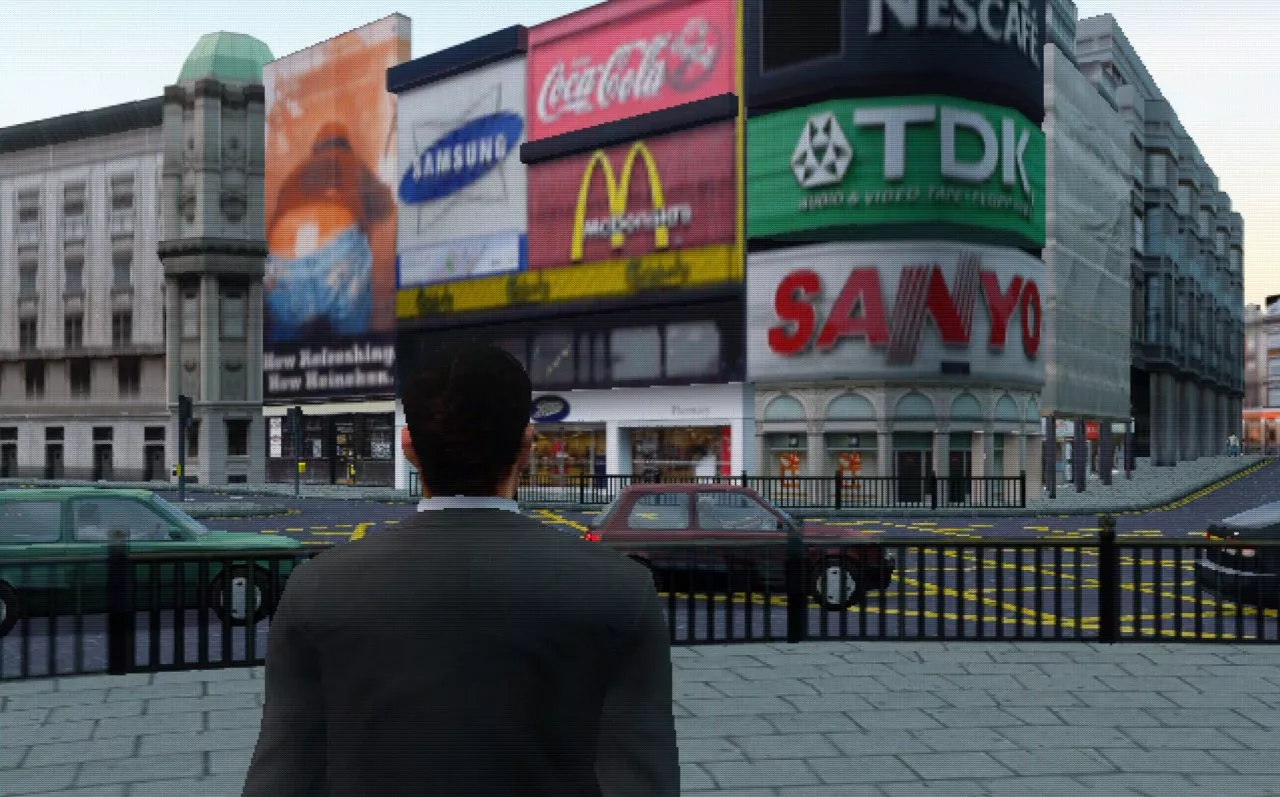
Part of the game's charm was its ability to serve as a time capsule for London during that era, a feature that has recently been highlighted by games journalist Andy Kelly. Using social media platforms, Kelly shared screenshots of the game that instantly transported former players back to their early gaming days, triggering a wave of nostalgia. His posts not only attracted attention from nostalgic fans but also caught the eyes of some of the original game developers.
One such developer, Andrew Hamilton, who held the role of a graphic designer for The Getaway and now works as a Brand Director at PlayStation Studios Creative Arts, responded to the nostalgic shares with enthusiasm. Hamilton reminisced about the old days of game development, revealing that the textural photos used in the game were shot using Sony Mavicas—digital cameras that notably used floppy disks—an anecdote that underlines how technology has evolved since then. He expressed a mix of nostalgia and amusement over the tools and methods used during the game’s development.
In his interaction on social media, Hamilton shared new photos, including some that had never been released to the public before. Among these were images that were eventually used for the game's packaging and its cover art, providing a fascinating glimpse into the creation process of the game’s visual elements. The game's depiction of real-life London, mixed with its narrative and gameplay, offered a unique virtual tour of the city, complete with all its urban nuances and iconic landmarks.
The throwback didn't stop with memories and photographs. It also sparked discussions and comparisons of other games from the same era, as well as conversations about how far the gaming industry has come since those days. The Getaway series which included a sequel titled The Getaway: Black Monday in 2004, and a PSP spin-off, Gangs of London in 2006, was more than just games; they were gateways to a virtual London, contributing to the legacy of city-based narrative adventures.
Beyond gaming, The Getaway’s influence extended into other media, inspiring a television show also named Gangs of London, released in 2020. This cross-media influence is a testament to the game's impactful storytelling and immersive world-building, showcasing how games can transcend their original formats to inspire broader creative undertakings.
While The Getaway might not have reached the full scope of its initial ambition in terms of city scale, its contribution to gaming, particularly in creating a rich, narrative-driven experience set against a realistic urban backdrop, remains significant. For those who experienced the game when it first came out, it continues to be a cherished memory. For newer audiences, it serves as an intriguing exploration of how developers once envisioned and recreated world cities in virtual environments long before this became a common endeavor in gaming.
Revisiting The Getaway through these newfound images and conversations not only celebrates the game's past achievements but also invites a reflection on how technology and storytelling in gaming have evolved, offering a richer, more interconnected gaming experience that continues to draw players into believable, expansive worlds.

You must be logged in to post a comment!
