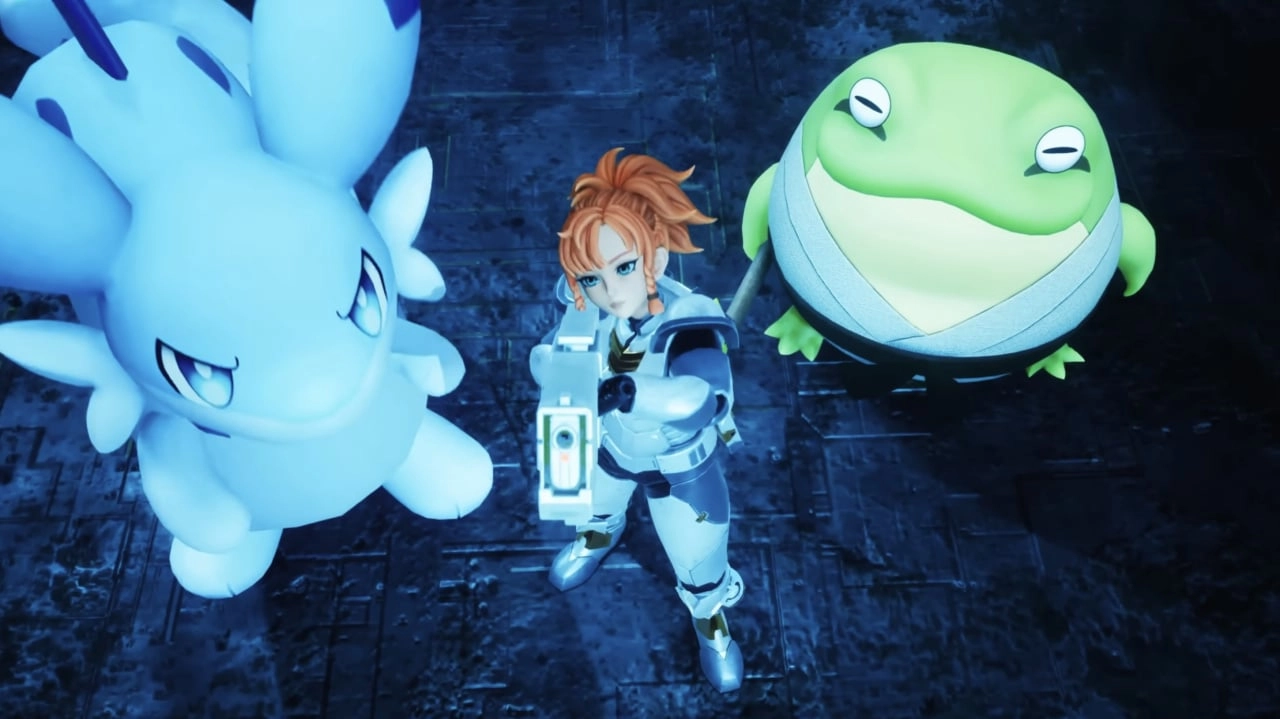
In recent developments within the gaming industry, Nintendo and The Pokémon Company have taken legal action against Pocketpair, the developers behind the game Palworld. The lawsuit centers around allegations of patent infringement, with both gaming giants seeking a combined total of 10 million yen (approximately £50,000 or $66,000) in damages. This legal dispute has brought considerable attention to the issues of intellectual property and innovation within the gaming world.
According to a detailed statement released on the Pocketpair website, Nintendo alleges that the development of Palworld infringes on three specific patents. These patents, numbers 7545191, 7493117, and 7528390, were filed between February and July 2024. Though they were filed post-Palworld's release, they are linked to a “parent patent” from 2021, which Nintendo claims gives them grounding for this lawsuit. They argue that these patents cover unique game mechanics related to the throwing and catching aspects reminiscent of Pokémon's Pokéballs, known in Palworld as Pal Spheres, and features involving riding creatures within a game environment.
The crux of Nintendo and The Pokémon Company's legal complaint is not only the supposed patent infringement but also what they perceive as financial damages incurred from the period following the patent registrations to the filing of the lawsuit. Pocketpair notes in their statement that the plaintiffs are requesting an injunction to halt sales and distribution of Palworld, alongside the compensation for alleged damages. Additionally, the lawsuit entails late payment damages, boosting the financial stakes for the developers further.
Pocketpair’s response to these allegations has been one of firm opposition. In their public statement, they express a commitment to vigorously defend their game and assert their position through the forthcoming legal procedures. This legal battle comes at a particularly challenging time for Pocketpair, as it has already affected their operational decisions, including the delay of Palworld's launch on the PlayStation 5 in Japan and potentially other markets. The specific reasons for these delays have not been detailed, but the timing suggests a connection to the ongoing legal issues.
The context of this lawsuit is significant in the broader landscape of the gaming industry, where intellectual property rights are crucial. Nintendo and The Pokémon Company are renowned for their strict enforcement of copyrights and patents, historically taking action against what they view as infringements on their creative properties and technological innovations. This protective stance is reflected in their current legal actions against Pocketpair.
Moreover, the patents at the heart of this lawsuit relate to fundamental aspects of gameplay that many consider generic or too broad to be patentable, such as using items to capture creatures or the feature of riding them in a game’s environment. This raises important questions about where the lines should be drawn when it comes to patenting game mechanics and how this impacts creativity and development in the industry.
The outcome of this lawsuit could have notable implications for future game development. If Nintendo and The Pokémon Company succeed, it might set a precedent that could deter developers from exploring similar mechanics without risking legal action. On the other hand, if Pocketpair prevails, it could embolden smaller developers to push the boundaries of innovation, even in the face of larger, more established companies.
Both the gaming community and other developers will be watching closely as this case progresses. The effects of this legal dispute extend beyond the companies involved, touching upon themes of innovation, creativity, and the legal frameworks that support or hinder them. As for now, all parties are preparing for what looks to be a contentious battle in the courts, the outcome of which remains uncertain.


You must be logged in to post a comment!
