Earlier this week, unsettling rumors circulated about potential layoffs at Nintendo's debugging subsidiary, Mario Club Co., Ltd. The rumors, initiated by a report from Leakpress, suggested that approximately 150 employees were to be laid off across various teams—an alarming piece of news that caught the attention of Nintendo enthusiasts and employees alike. Speculation was rife on the nature and the extent of these supposed layoffs, reflecting a broader concern within the gaming industry, which has been experiencing a wave of layoffs across various companies.
However, these unsettling rumors were swiftly addressed by Nintendo. The company issued a clear and concise statement to Eurogamer, a well-known gaming news outlet. The statement unequivocally denied the rumors, stating, "We have confirmed with Mario Club Co., Ltd. that the rumored information in the report is untrue." This response not only provided immediate relief to the employees who might have been affected but also to the gaming community and stakeholders who have been following the company’s developments.
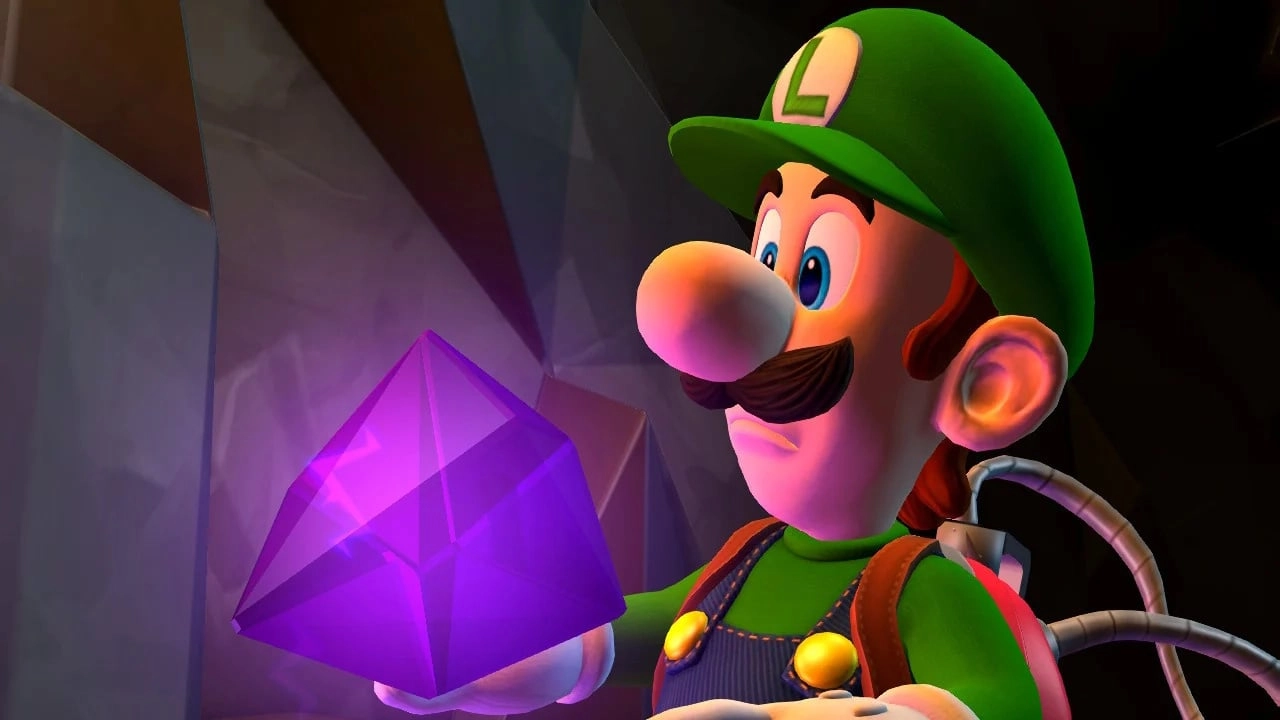
Nintendo's quick clarification underscores its commitment to transparency and employee welfare, distancing itself from practices like the "oidashi beya" or expulsion rooms, which were reportedly used by other companies like Bandai Namco amidst their layoff controversies. Mario Club, particularly noted for its critical role in assisting in the development and debugging of several first-party Nintendo titles such as Super Mario Bros. Wonder, Princess Peach: Showtime!, Paper Mario: The Thousand-Year Door, and Luigi's Mansion 2 HD, remains a vital component of Nintendo's operations.
The false alarm about layoffs at Mario Club shines a light not just on Nintendo but on the gaming industry's current state, where layoffs have become more frequent. Earlier in the same month, Riot Games, the developer behind the popular game League of Legends, announced a second wave of layoffs for the year. Additionally, the entire team at Surgent Studios was put on redundancy notice as Tales of Kenzera: ZAU studio sought funding for its upcoming projects. These incidents highlight a broader trend of instability and restructuring within the gaming industry, affecting both large and small teams globally.
While the news about Mario Club turned out to be just a rumor, the quick spread of such information reflects the anxious mood permeating the gaming industry workforce. In recent years, discussions around job security, company loyalty, and the transparency of corporate decisions have intensified, with employees and advocates calling for better treatment and clearer communication from employers. The scenario at Nintendo, however, demonstrates a contrasting approach, where swift action and open communication can help maintain trust and stability among employees and fans.
The commitment to employee stability at Nintendo, especially during such turbulent times, not only reassures their workforce but also potentially sets a standard for other companies in the industry. This instance might serve as a reminder of the importance of verifying information before it is disseminated, as false rumors can lead to unnecessary panic and damage to company reputation.
Nintendo’s handling of this situation reflects its larger corporate ethos of valuing its workforce and maintaining a stable working environment, crucial for creativity and productivity. As the gaming industry continues to navigate through layoffs and restructuring, the focus on clear communication and employee welfare could become increasingly important, influencing how companies manage their workforce in challenging times. As always, keeping an eye on these developments is essential for understanding the future trajectories of these major players in the gaming world.

You must be logged in to post a comment!
