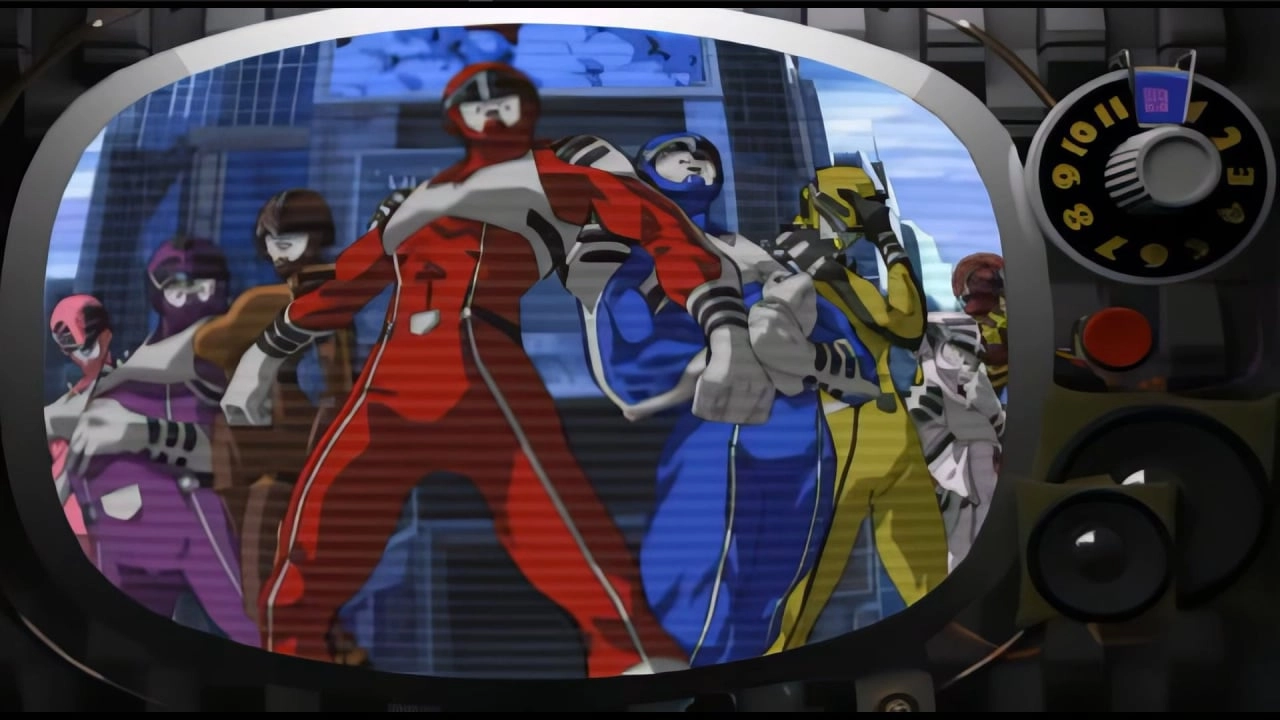
Killer7, a game revered for its unique style and cult status, recently received an update on its Steam platform that included significant changes. This update was intended to bring both gameplay and visual enhancements. However, it also introduced AI-upscaled assets that have not been positively received by the game's community. The update included remastered videos and various graphic improvements but it was these changes that caused the most controversy.
AI upscaling in video games is a process where artificial intelligence is used to enhance the resolution of existing graphics and videos. This is generally done to make older games look better on modern displays without manually redesigning every element. While this technology promises sharper images and refined visuals, it can sometimes fail to preserve the original art's charm and detail, which seems to be the issue with the latest Killer7 update.
One of the main issues reported by players is that the newly upscaled assets, particularly the textures and full-motion videos (FMVs), have degraded in quality rather than improved. Descriptions of these graphics ranged from being blurry to overly smooth, losing much of the detail and texture that gave the original game its distinct visual flair. This sentiment was vividly captured by one user’s comment, describing the AI-upscaled cutscenes as looking like “hot ass,” indicating a significant drop in visual appeal.
This negative reaction has galvanized the Killer7 modding community into action. Known for their dedication to enhancing and preserving the game's original aesthetic, modders are now working on creating guides and mods to reverse the effects of the AI upscaling. The goal is to restore the visuals to their original form, or at least offer alternatives that better respect the game’s original artistic integrity. A prominent figure in this effort is a user known as DoomerDev, who openly expressed frustration over the lack of an official option to revert these changes.
From a broader perspective, the incident highlights a challenging aspect of updating and preserving older video games. While technological advancements can offer improvements and breathe new life into classic titles, they can also clash with the original vision and experience that fans value. This balance between innovation and preservation is a delicate one, particularly for games like Killer7, which are celebrated for their unique artistic expression.
The discontent with the Killer7 update serves as a reminder to developers and publishers about the importance of community feedback, especially when dealing with beloved cult classics. The backlash may also encourage more developers to provide options that allow players to choose between updated and original graphics, thus catering to both players seeking a modern twist and purists who value the original experience.
In the age where remasters and remakes are common, the situation with Killer7 is a case study in the need for careful consideration of how technological tools like AI upscaling are applied in the gaming industry. It underscores the need for developers to work closely with communities to understand and respect the legacy of the gaming classics they seek to revitalize. As for Killer7, the community’s response and subsequent actions showcase the passion and dedication of gamers to preserve the essence of the gaming experiences they hold dear.

You must be logged in to post a comment!
