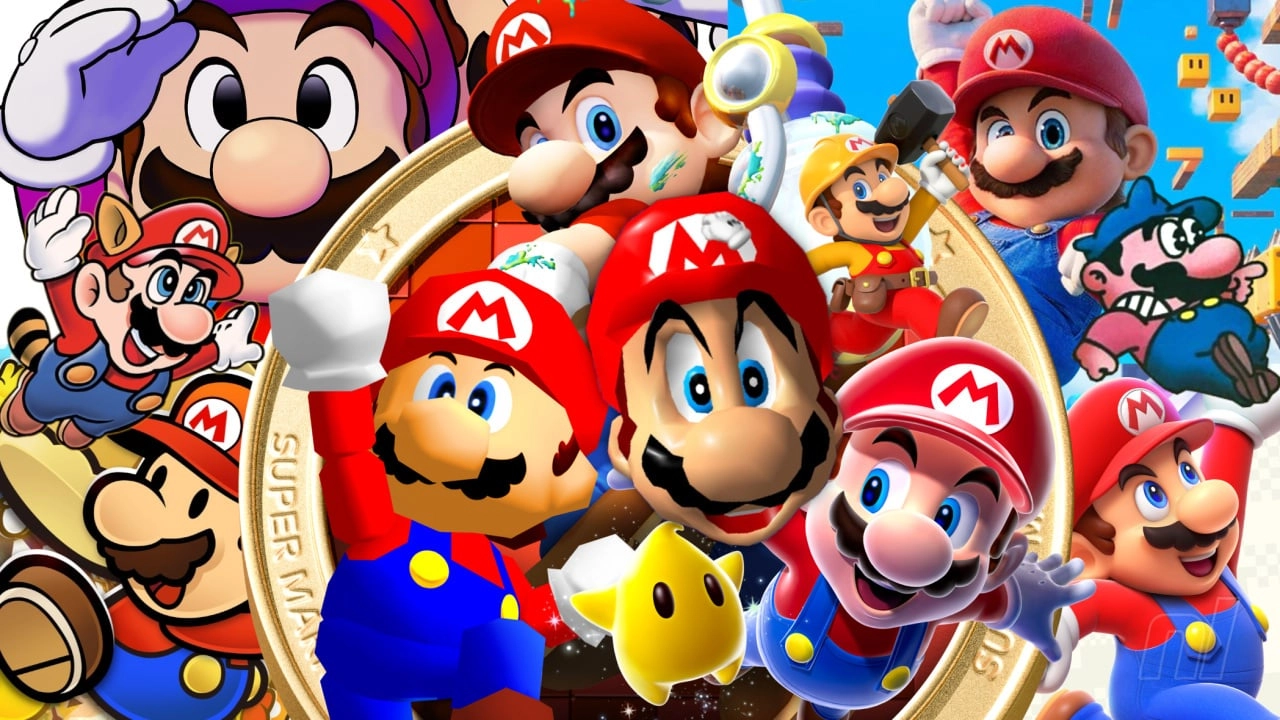
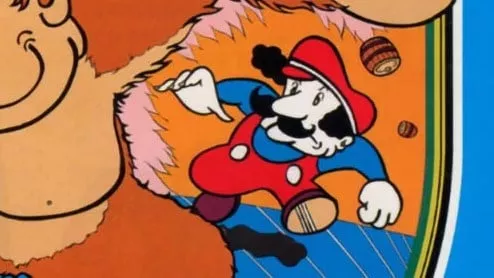
Mario, the cheerful plumber from the Mushroom Kingdom, has been a staple of video game culture since his debut in 1981's 'Donkey Kong'. Originally called 'Jumpman', Mario's initial design was simplistic, crafted from a few dozen pixels that depicted him as a small, mustachioed man in overalls. Despite these humble beginnings, his character has evolved significantly over the decades, becoming one of the most instantly recognizable figures worldwide.
The early 1980s marked Mario's arcade era, where his design was influenced heavily by the technological limitations of the time. In 'Donkey Kong', Mario's sprite was a basic representation, but it laid the groundwork for his character with its iconic red hat and blue overalls. As arcade graphics slightly improved, so did Mario. By the time of 'Mario Bros.' in 1983, Mario had gained a bit more detail, including a clearer depiction of his trademark mustache and a slightly rounder figure.
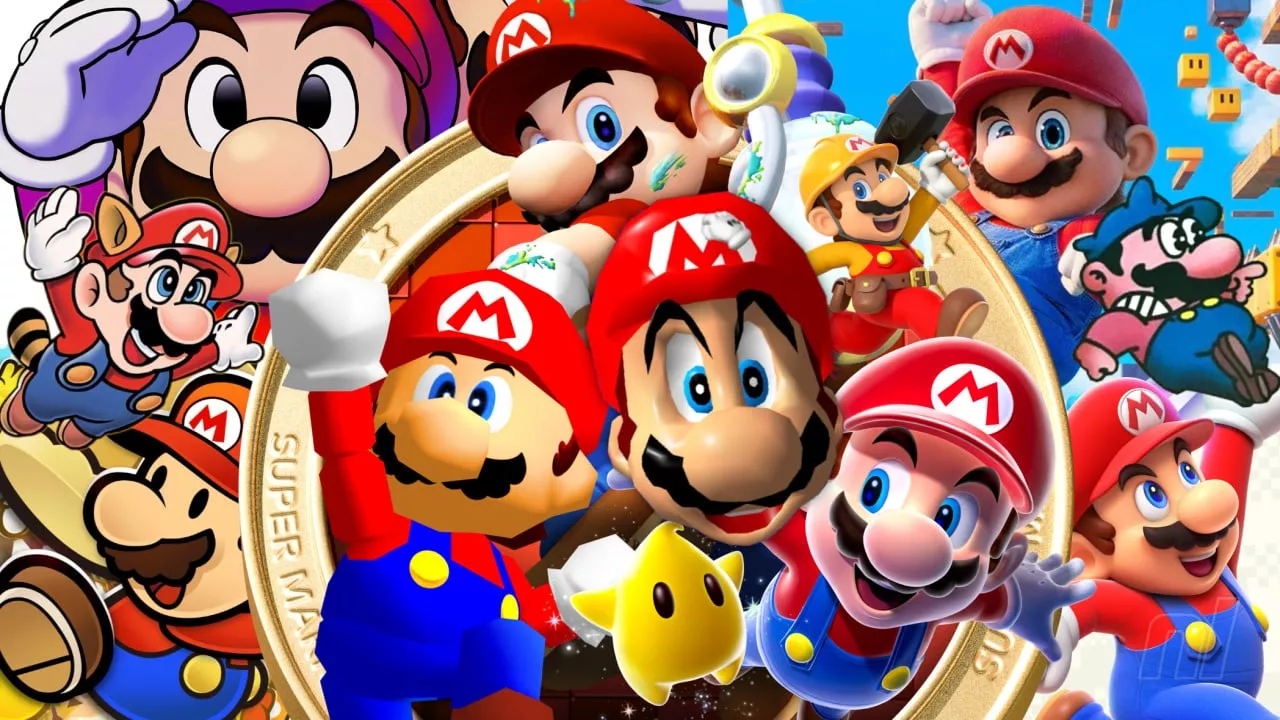
In 1985, the launch of the Nintendo Entertainment System (NES) and the release of 'Super Mario Bros.' brought about a new era for Mario, offering enhanced graphics that allowed for a more detailed representation. Mario's design during this period is now considered classic. The defining features such as his large nose, mustache, and bright clothing became more pronounced, matching the character art used in promotional and box art materials, especially in Japan and Europe.
Throughout the late 1980s and early 1990s, Mario's image remained largely consistent in promotional art, depicting him as a cheerful, plump, and approachable character. His in-game sprite also saw improvements with each subsequent game on the NES and later the Super Nintendo Entertainment System (SNES). 'Super Mario Bros. 3' and 'Super Mario World' added depth to his character through richer animations and expressive facial features.
The shift to 3D in 1996 with 'Super Mario 64' marked a significant transformation in Mario's design, leveraging the capabilities of the Nintendo 64. This game introduced a three-dimensional Mario, a technological leap that gave him a rounder, more dynamic appearance. His ability to move through open worlds in fluid, lifelike motion was revolutionary at the time.
The early 2000s saw yet another evolution with the release of the GameCube. Games like 'Super Mario Sunshine' further refined Mario's 3D model, offering a higher level of detail and more refined textures that closely resembled his promotional art. This design carried through to the Wii era, where games like 'Super Mario Galaxy' maintained the high-quality 3D representation of Mario while introducing fantastical elements to his world.
With the advent of the Nintendo Switch, Mario entered the modern era with 'Super Mario Odyssey'. This game combined the nostalgic feel of classic Mario with cutting-edge graphics. The promotional materials and in-game model boasted an unprecedented level of detail, with realistic textures on Mario’s clothing and accessories that vividly brought his character to life.
A fascinating aspect of Mario's design is how it has been adapted for different types of games. In 'Paper Mario', introduced in 2000, we saw a return to a more simplistic, two-dimensional style, though highly stylized and unique to its gameplay needs. Meanwhile, 'Mario Kart' and other sports franchises often present a more stylized, athletic version of Mario.
Today, Mario's design seems to have reached a balance between modern refinement and classic appeal, as seen in 'Mario & Luigi: Brothership'. The newest rendition beautifully blends historical elements with contemporary graphics, resulting in a Mario that feels both fresh and familiar.
As we've traced Mario's evolution, it’s clear that his design changes reflect not only advances in technology but also the shifting tastes and cultural preferences of gamers around the world. Whether as an 8-bit hero or a fully rounded 3D character, Mario continues to capture the hearts of new and old fans, proving that some icons just get better with age.

You must be logged in to post a comment!
