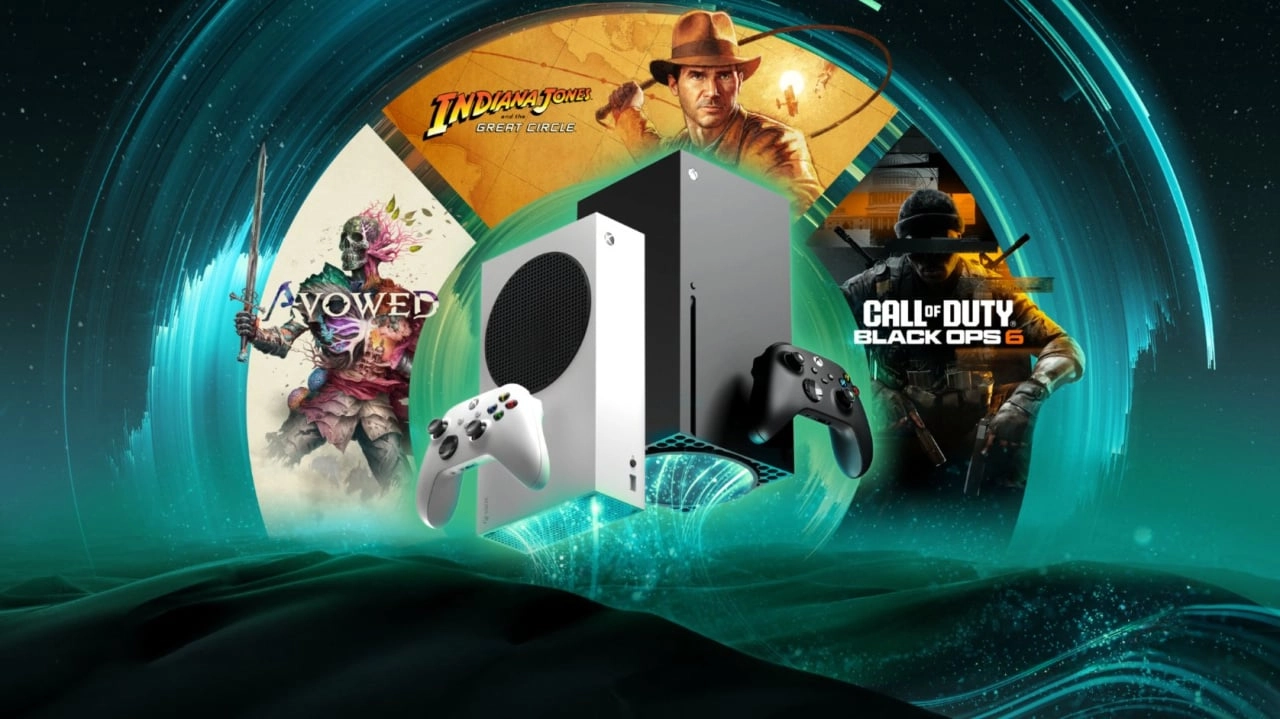
Microsoft's strategy of launching two versions of its latest gaming console, the Xbox Series X and the Xbox Series S, was a bold move aimed at capturing a wider market segment. The Xbox Series X, known for its high performance, and the Xbox Series S, a more affordable, digital-only version, initially seemed to position the latter as the more popular choice due to its lower price point. However, recent data suggests a shift in consumer preferences.
According to the latest sales figures from Circana, formerly known as NPD Group, the Xbox Series X has recently begun to outsell its less expensive counterpart in the United States. As of September 2024, the Series X accounted for 51% of the total Xbox console sales in the U.S., just slightly ahead of the Series S at 49%. This close competition highlights a notable change in market dynamics. Specifically for September 2024, the sales split was even more pronounced, with the Series X making up 58% of sales.
This recent trend is intriguing given the historic context of these two consoles. When they were first released back in 2020, the global pandemic and subsequent supply chain disruptions made the Xbox Series X and its Sony counterpart, the PlayStation 5, hard to find in retail outlets. This scarcity drove customers toward the more readily available Xbox Series S.
The initial sales advantage of the Xbox Series S can also be attributed to its lower price point, which typically appeals to a broader audience, especially during the latter half of a console generation when prices tend to decrease. However, as supply issues for the higher-end consoles have resolved over time and with the economic recovery post-pandemic, consumers appear increasingly willing to invest in the more powerful Xbox Series X.
The shifting sales balance might also be influenced by other factors such as game availability and performance capabilities. The Xbox Series X, with its superior processing power, offers enhanced graphics and a better overall gaming experience, which might be attracting hardcore gamers or those upgrading from older console versions. Additionally, the game development landscape has evolved with more titles now optimized to take full advantage of the advanced hardware offered by the Series X.
From a broader perspective, these sales trends provide insights into the consumer electronics market and gaming industry. They reflect how product availability, economic factors, and consumer preferences converge to influence market shares. The competition between the Xbox Series X and Series S mirrors a typical pattern where initial price sensitivity may give way to a preference for higher performance as a product matures in the market.
It will be interesting to observe how these trends develop globally and whether the Xbox Series X can maintain its lead over the Series S in other regions around the world. Microsoft's dual-console strategy, while initially seen as risky, appears to be providing valuable insights into the diverse needs and preferences of gamers.
Moreover, the ongoing evolution of the gaming industry, characterized by rapid technological advancements and changing consumer expectations, will likely continue to impact how both consoles perform in sales rankings. As the industry heads towards the next generation of gaming technology, the lessons learned from the sales dynamics of the Xbox Series X and Series S will undoubtedly influence future console developments and marketing strategies.

You must be logged in to post a comment!
