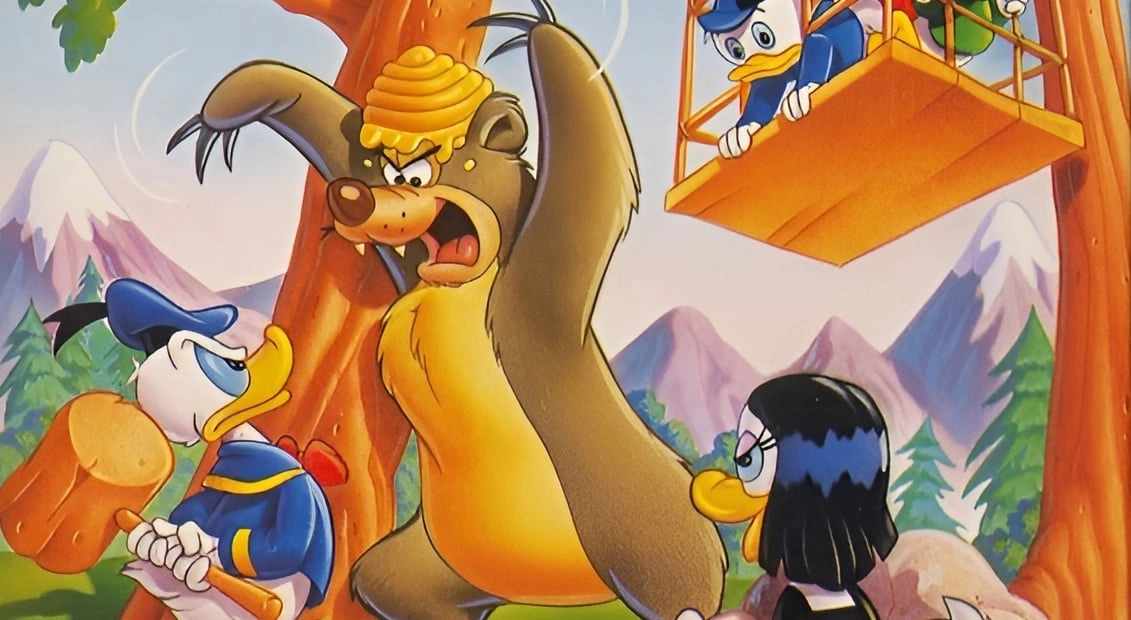
Navigating the intricate dynamics between video game developers and iconic brand characters can be quite challenging. This was vividly illustrated in a scenario faced by Sega while developing a game featuring one of Disney’s beloved characters, Donald Duck. The incident captures the clash between creative freedom in game design and the preservation of a brand’s wholesome image.
The story dates back to when Sega was working on a new game titled "Lucky Dime Caper Starring Donald Duck." In its original version, this game included elements that Disney found to be out of sync with its brand values, particularly concerning how animals were treated within the game. Disney, known for its family-friendly image, took issue with certain game scenes that depicted Donald Duck engaging in violent acts against animals, such as clubbing seals, which sparked a significant redesign of the game.
According to Shelley Miles, a former vice president and general manager at Disney Software, the initial review of the game by Disney executives led to startling discoveries. They were taken aback by scenes showing Donald Duck using a club to hit seals as a way to gain points in the game. The depiction of such behavior was seen as harsh and unnecessary, clashing with Disney's commitment to animal care and conservation.
Noah Dudley, a former Disney producer, detailed a particular scenario involving a videotape demonstration of the game. In one segment, Donald Duck was illustrated crossing an icy landscape, intermittently encountering walruses that would emerge through the ice. In the original game design, Donald was supposed to hit these walruses with a hammer, making them disappear, a concept that Dudley and others at Disney found problematic because it portrayed unnecessary cruelty toward animal characters.
Further insights from Roger Hector, former director of product development at Disney Software, echoed this sentiment. Hector pointed out that as part of the game development oversight, elements like the scene where Donald Duck clubbed baby seals had to be outright rejected. This feedback was crucial in driving changes in the game’s development, prompting Sega to reconsider its character interactions and how they might affect young audiences and the wider perception of Disney’s character ethics.
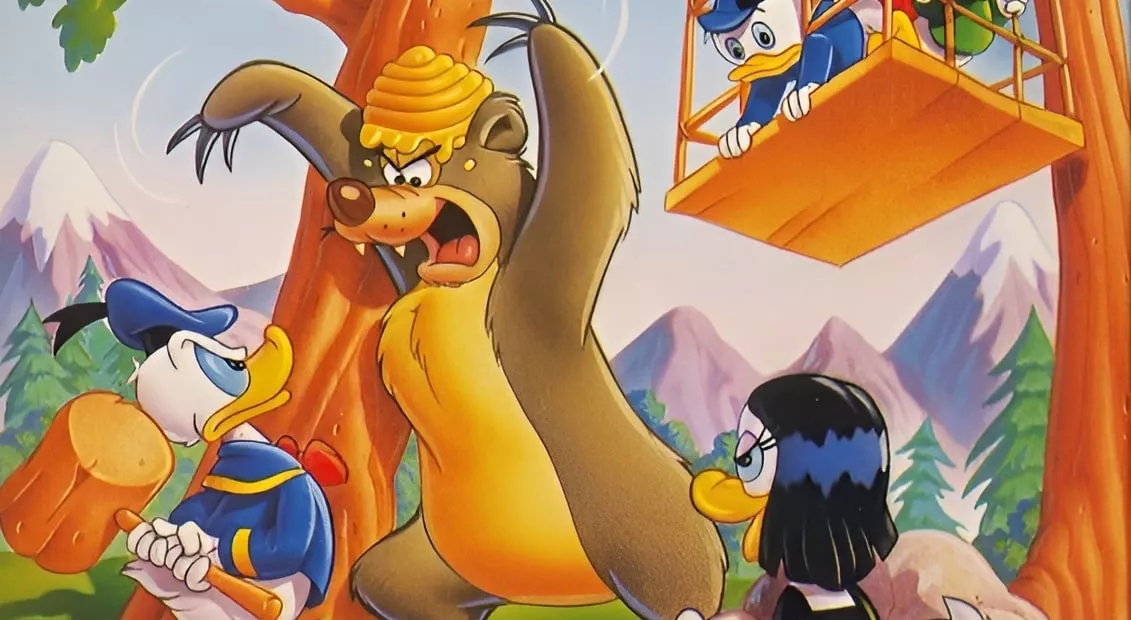
The development team eventually replaced the seals and walruses with fantastical creatures like yeti-like beings that slide across the ice, which could be knocked out by Donald's wooden mallet. This redesign aimed to maintain the interactive and competitive elements of the game while removing the problematic portrayal of animal cruelty.
Moreover, not only were the species changed to maintain a distance from real-world animals, but other modifications were made throughout the game in response to early testing feedback. For example, Sega altered the enemies in different levels of the game to be less representative of true-to-life animals, thus ensuring less violent interactions. In one level that previously featured frogs and owls as adversaries, these were replaced with snakes and a more generic menacing bird.
The changes made to "Lucky Dime Caper Starring Donald Duck" highlight the complexities of video game development, especially when involving characters from well-established brands like Disney. The incident underscores the importance of aligning game content with brand values, particularly when those values emphasize family-friendliness and the avoidance of controversial content.
Years later, this story serves as a reminder of the vigilance companies like Disney have regarding how their characters are portrayed, showing a keen attention to details that might affect their reputation. This story is also a testament to the evolution of video game content and the ongoing dialogue between creativity and branding—a dynamic that continues to shape how games are developed and perceived in the broader cultural context.

You must be logged in to post a comment!
