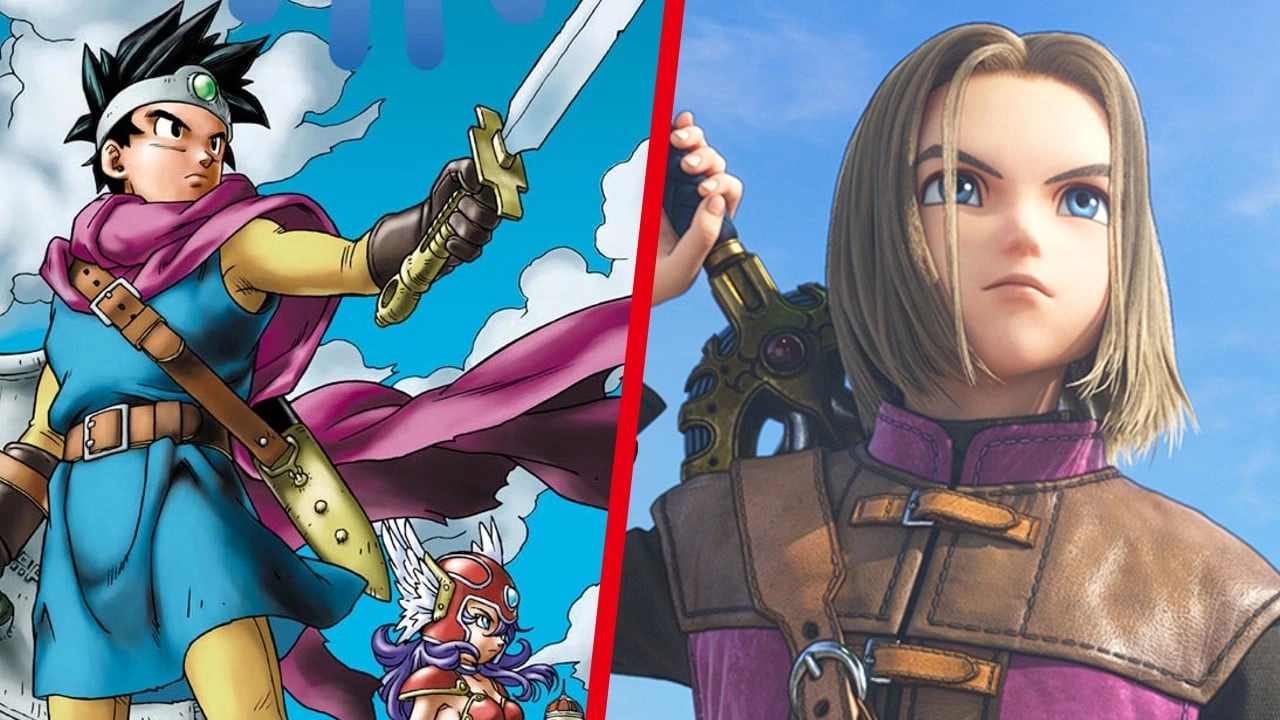
The realm of role-playing games is rich with tales that have transcended decades, and among these, the Dragon Quest series stands as a paragon, particularly in Japan where it commands an unparalleled cultural impact since the 1980s. The announcement of Dragon Quest III receiving an HD-2D remake sparked a blend of excitement and curiosity among fans and newcomers alike. This decision by Square Enix to select this specific installment from their extensive catalog, including the entire Erdrick Trilogy which comprises Dragon Quest I, II, and III, is layered with significance.
Dragon Quest III, initially released in the late 1980s, has been a pivotal title not only because of its gameplay innovations but also due to it concluding the Erdrick Trilogy, albeit being the first chronologically. The HD-2D remake, a visual style popularized by games like Octopath Traveler, combines stunning modern graphics with traditional 2D sprite art, promising a fresh but nostalgic experience for players. While this visual update is compelling, the reasons for choosing Dragon Quest III, in particular, extend beyond aesthetics.
Reflecting on Dragon Quest XI, the most recent title which achieved significant recognition in the West, we see how it intricately weaves the legacies of its predecessors into its narrative, especially highlighting the lore from the Erdrick Trilogy. The true ending of Dragon Quest XI is a testament to this, as it pays homage to these earlier games, bridging narratives and generations in a way that feels both celebratory and sentimental.
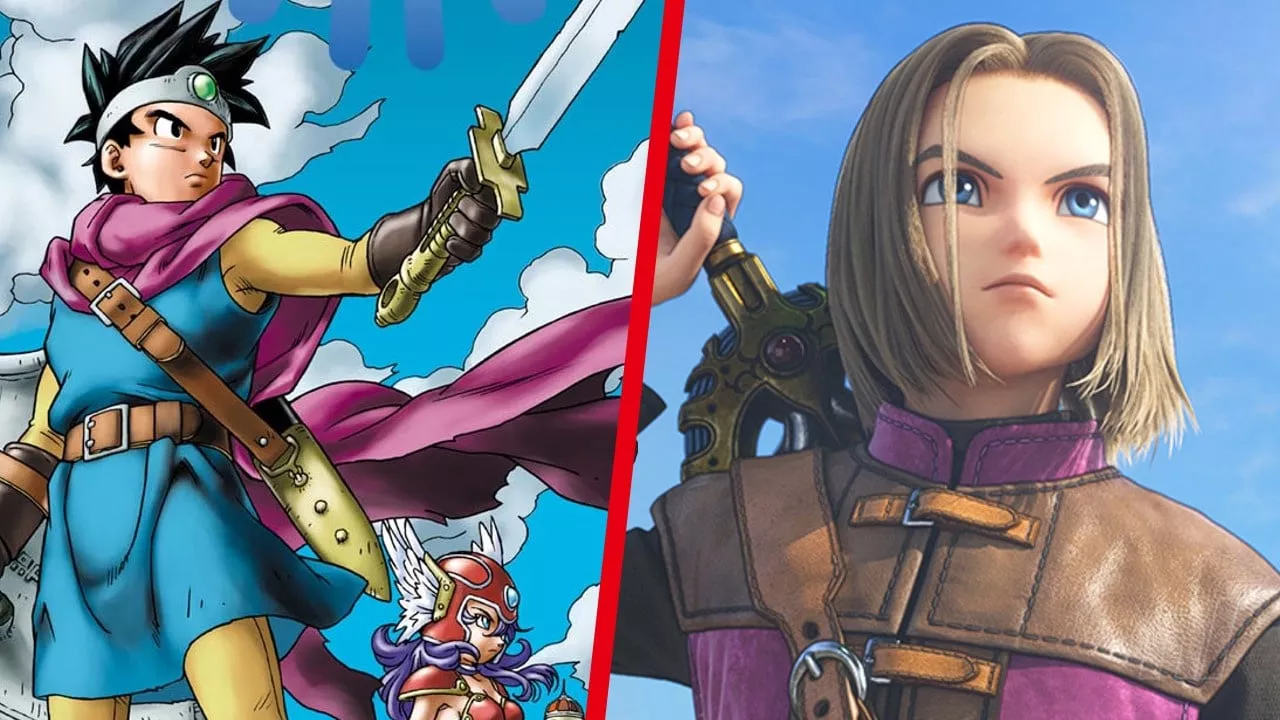
Dragon Quest XI introduces newcomers to its historical narrative threads by aligning its story closely with that of its forebearers, especially Dragon Quest III. The main character in Dragon Quest XI is known to be a descendent of Erdwin, a luminary character whose adventures relate closely to those of the hero in Dragon Quest III. This connection isn't merely symbolic; it's narratively manifested. The game’s climax features callbacks to the iconic orbs and elements like the Ramia, which play critical roles across both games.
The visual style and gameplay of Dragon Quest have always adhered closely to its roots, with each installment maintaining a consistent, traditional RPG feel despite the evolving gaming landscape. This consistency is perhaps what makes the prospect of revisiting the Erdrick Trilogy in a new visual format so appealing. It presents an opportunity to experience these foundational stories through a modern lens, making them accessible and appealing to a new generation of players while honoring the nostalgia and love longtime fans hold for the originals.
Moreover, the strategic selection of Dragon Quest III, and possibly its preceding games in the trilogy for an HD-2D remake, is indicative of Square Enix’s awareness of the title’s profound impact within the series’ lore and its fanbase. Given the game's vital role in setting up the storyline embraced in Dragon Quest XI, reintroducing it with enhanced visuals and refreshed mechanics could also serve as a bridge for fans who started their journey with the later titles to explore the origins of the narrative threads they have come to appreciate.
Discussion about the forthcoming remake also coincides with broader considerations within the gaming community about legacy and preservation. As Square Enicoptes modern technologies to reimagine the classics that have shaped the RPG landscape, it not only revitalizes these games for older fans but also ensures their narratives and milestones remain relevant in today’s gaming culture.
Furthermore, the release of a remade Dragon Quest III could resonate deeply as a tribute to the artistic contributions of series artist Akira Toriyama, who recently passed away. His designs have given the Dragon Quest series a distinct and beloved aesthetic. Seeing his work brought to life in HD-2D will allow fans and newcomers to appreciate his artistry in a new light.
In sum, the selection of Dragon Quest III for the HD-2D treatment is more than just a revival of a classic RPG; it is a strategic acknowledgment of its pivotal role within the series' storied history and its interconnectedness to the saga’s recent successes. This remake is not only about rekindling the past but is also, perhaps more importantly, about crafting a gateway through which both new and old players can immerse themselves into the rich, expansive universe of Dragon Quest. With its enduring appeal and narrative significance, Dragon Quest III is poised to reintroduce the charm and grandeur of the Erdrick Trilogy to the screens and hearts of a brand new audience.

You must be logged in to post a comment!
