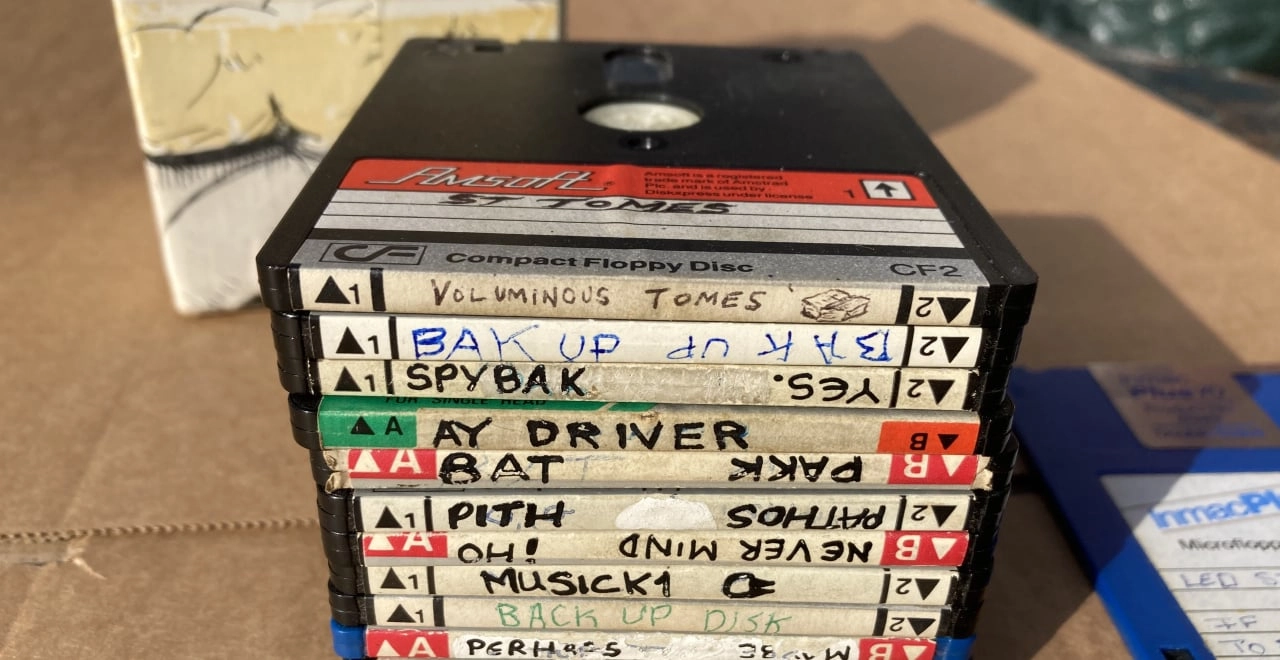
The world of retro gaming has received a significant preservation boost with the digitization of Tim and Geoff Follin's music development disk archive. This collection, essential in documenting the history of video game music, contains files that shaped the sounds of several popular games from the late 1980s and beyond. Video game enthusiasts and music historians alike now have unprecedented access to the archives through an online platform, thanks to the efforts of Kevin Edwards, a former colleague of the Follins at Software Creations.
The journey to preserve these files began when Tim Follin, during his tenure at Software Creations, saved the original compositions on 13 Tatung Einstein 3" flippy disks. Preserving such media is crucial as it faces the risk of physical degradation over time. The disks remained in Tim's possession for years before being handed over to another Software Creations alumnus, Dean Belfield. Belfield initially attempted to save and upload these valuable files to GitHub, making them available to the public for the first time.
Aware of the significance of the complete preservation of these files, Belfield passed the disks to Kevin Edwards, who embarked on a mission to recover the missing data. Edwards used a combination of custom-built hardware and software to meticulously archive the collection again from scratch. His successful recovery of additional lost and missing files allowed for a more comprehensive release of the development disk archive.
The archive showcases an array of SFX source files and music tracks composed for various platforms, including the Commodore 64, ZX Spectrum, and Amstrad CPC. Among the featured works are Tim Follin's scores for microcomputer versions of games such as Bionic Commando, Ghouls 'n Ghosts, Peter Pack Rat, LED Storm, Aigina's Prophecy, Chesterfield, Black Lamp, and Raw Recruit. Each composition provides a glimpse into the creative process behind some of the most memorable video game music of that era.
Additionally, the collection includes several versions of the Music Driver program, a tool developed by Software Creations' audio programmer Ste Ruddy. This program was instrumental for the Follins in crafting their distinctive soundtracks. It’s a testament to the technical and creative challenges composers faced when creating music for the limited audio hardware of early home computers and gaming consoles.
While exploring the archive, users should note that the source file names do not necessarily correspond to the music within them. This aspect points to the often experimental and fluid nature of game development at the time. The archive not only captures finalized tracks but also work-in-progress versions and possibly some unreleased material, providing insights into the developmental stages and the evolution of video game scoring.
The preservation of such archives is vital for historical documentation, offering contemporary audiences a window into the past practices and environments of video game development. It also serves as a tribute to the artistry of composers like Tim and Geoff Follin, whose work has left a lasting impact on the gaming industry.
For fans of retro gaming and music, the Tim and Geoff Follin Software Creations Development Disk Archive presents an invaluable resource. It allows for a deeper appreciation of the craftsmanship involved in composing music that defined a gaming generation. This digital preservation not only celebrates the legacy of the Follin brothers but also ensures that their artistic contributions will continue to be enjoyed and studied by future generations interested in the intersection of music and gaming technology. Thanks to the efforts of Kevin Edwards and his colleagues, this piece of video game history will not be forgotten.

You must be logged in to post a comment!
