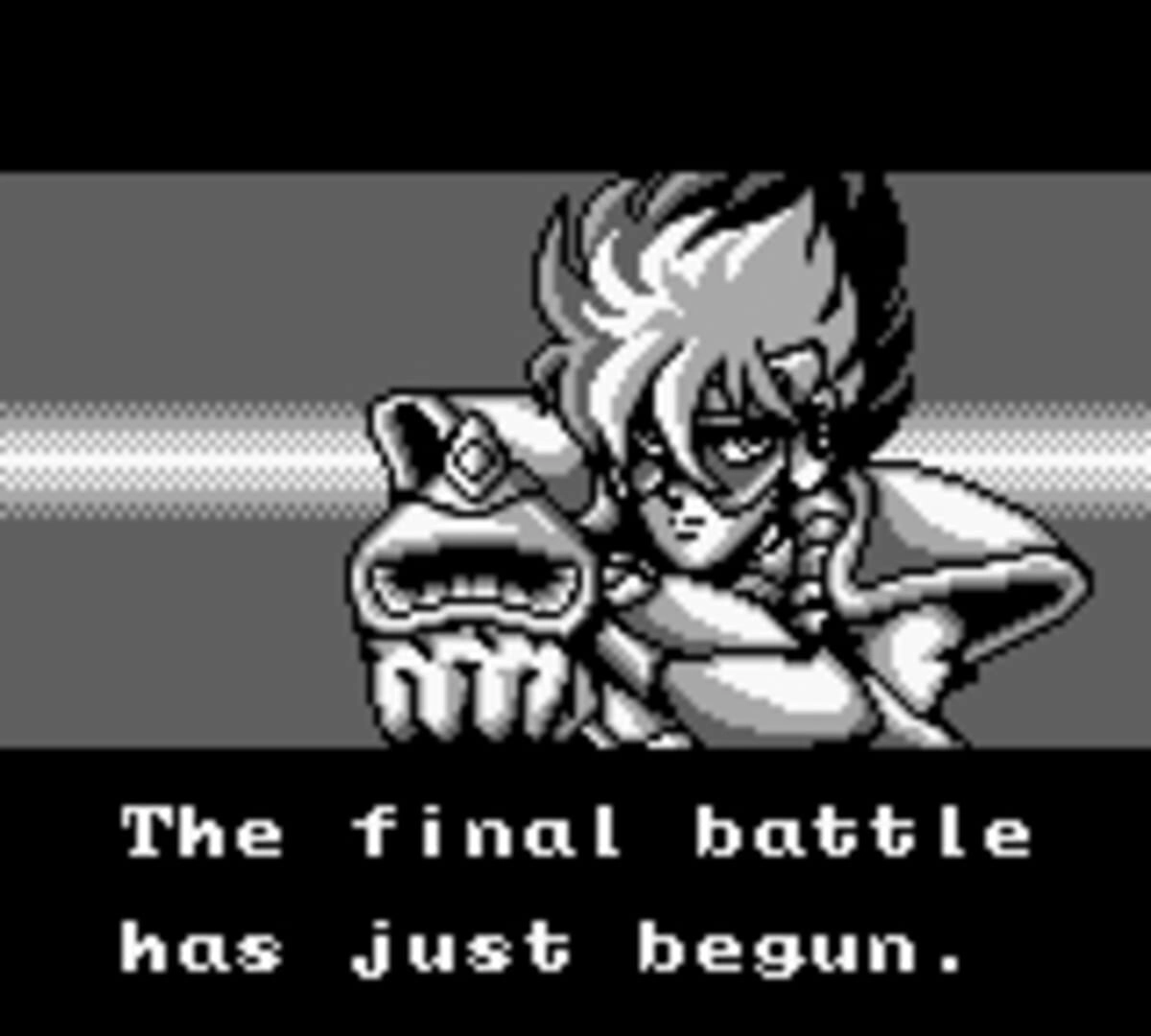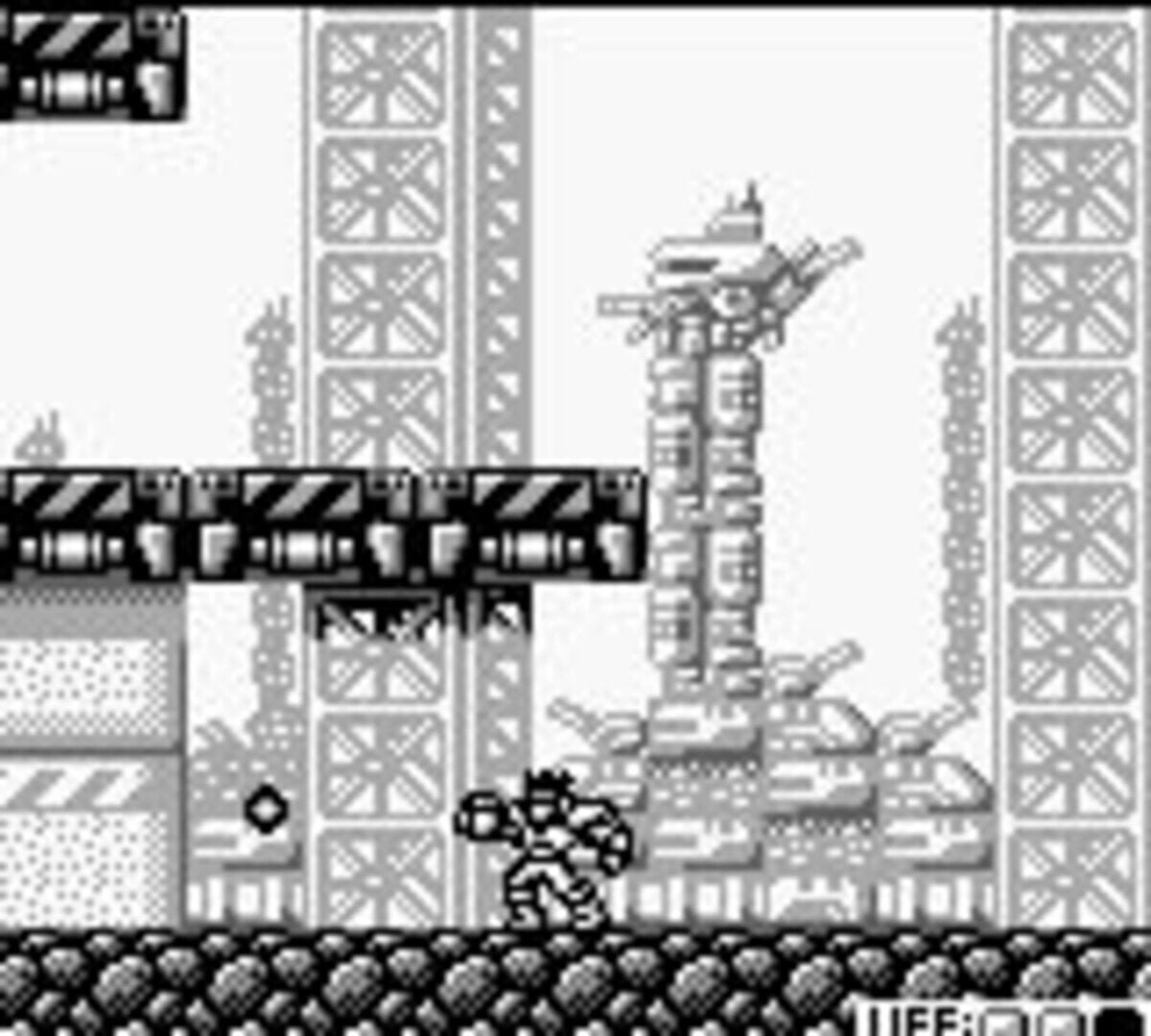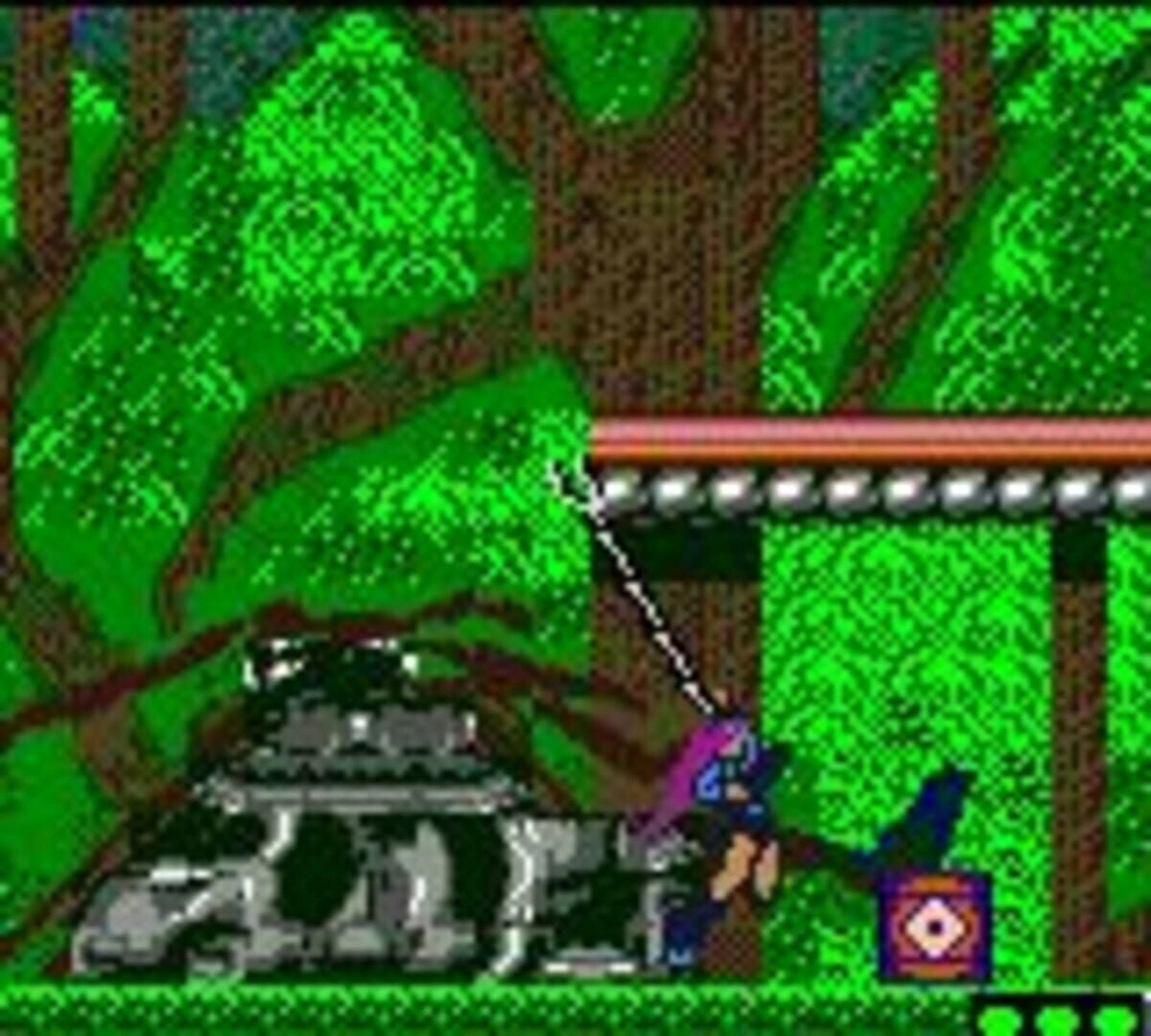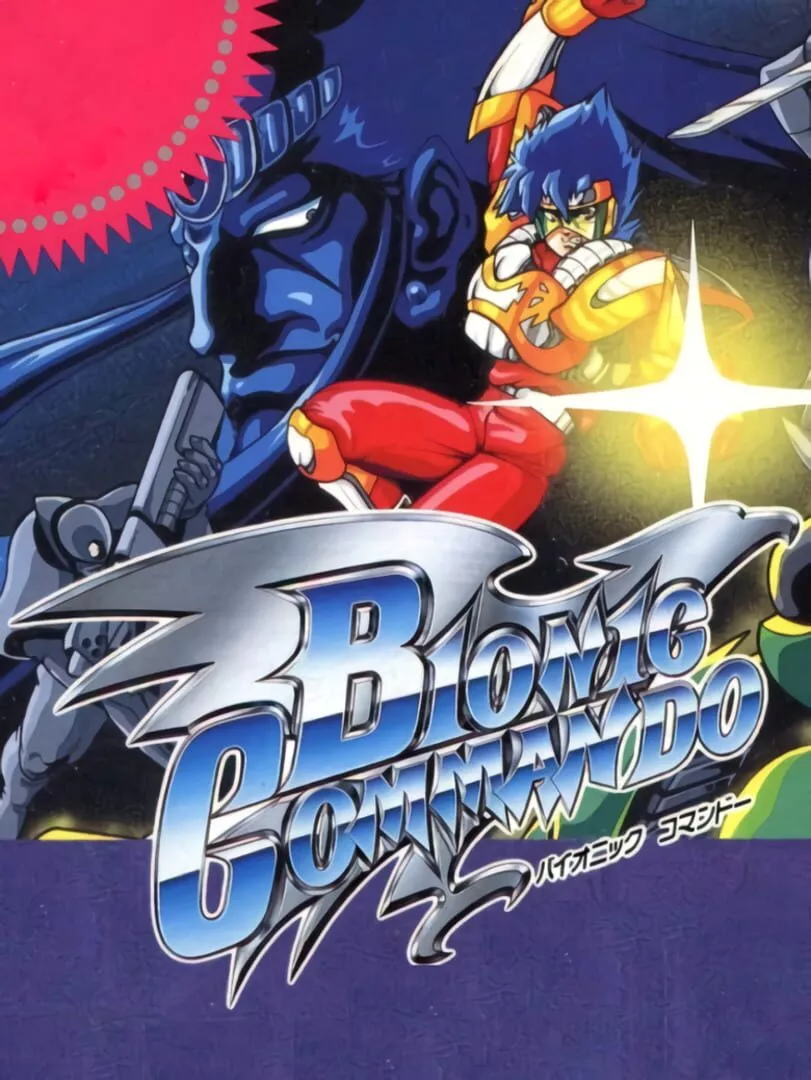
Bionic Commando, originally an arcade game, gained immense popularity as a sequel to the iconic game Commando. In the United States, the game was advertised as a direct continuation of Commando's storyline and even referred to the main character as Super Joe, who had been the protagonist of the previous game. However, in the Japanese and World versions, the character was an unnamed member of a "special commando unit."
The release of Bionic Commando for the Nintendo Entertainment System (NES) brought the game to a wider audience. The NES version, developed by Capcom, further solidified Bionic Commando's reputation as an unforgettable gaming experience.
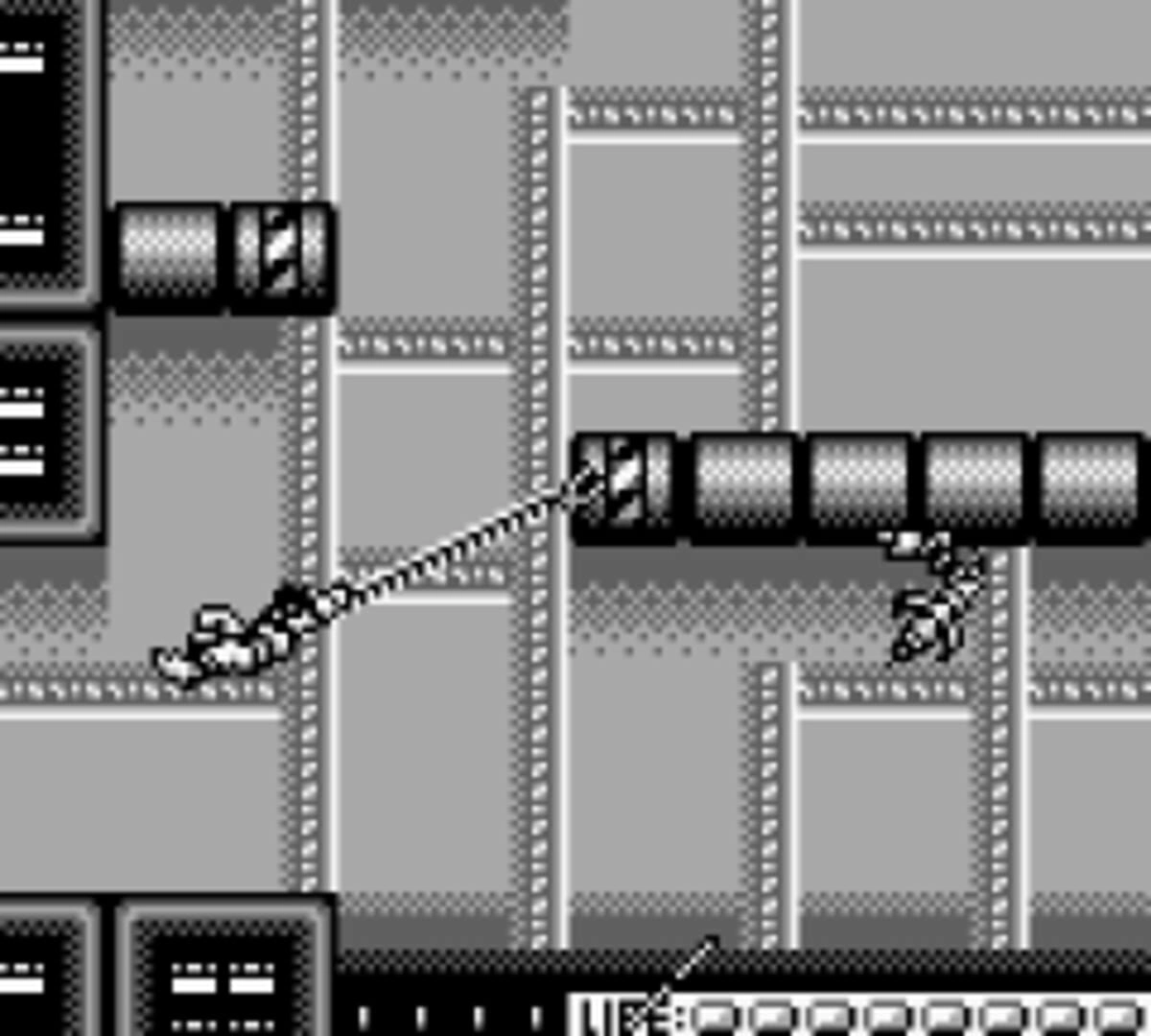
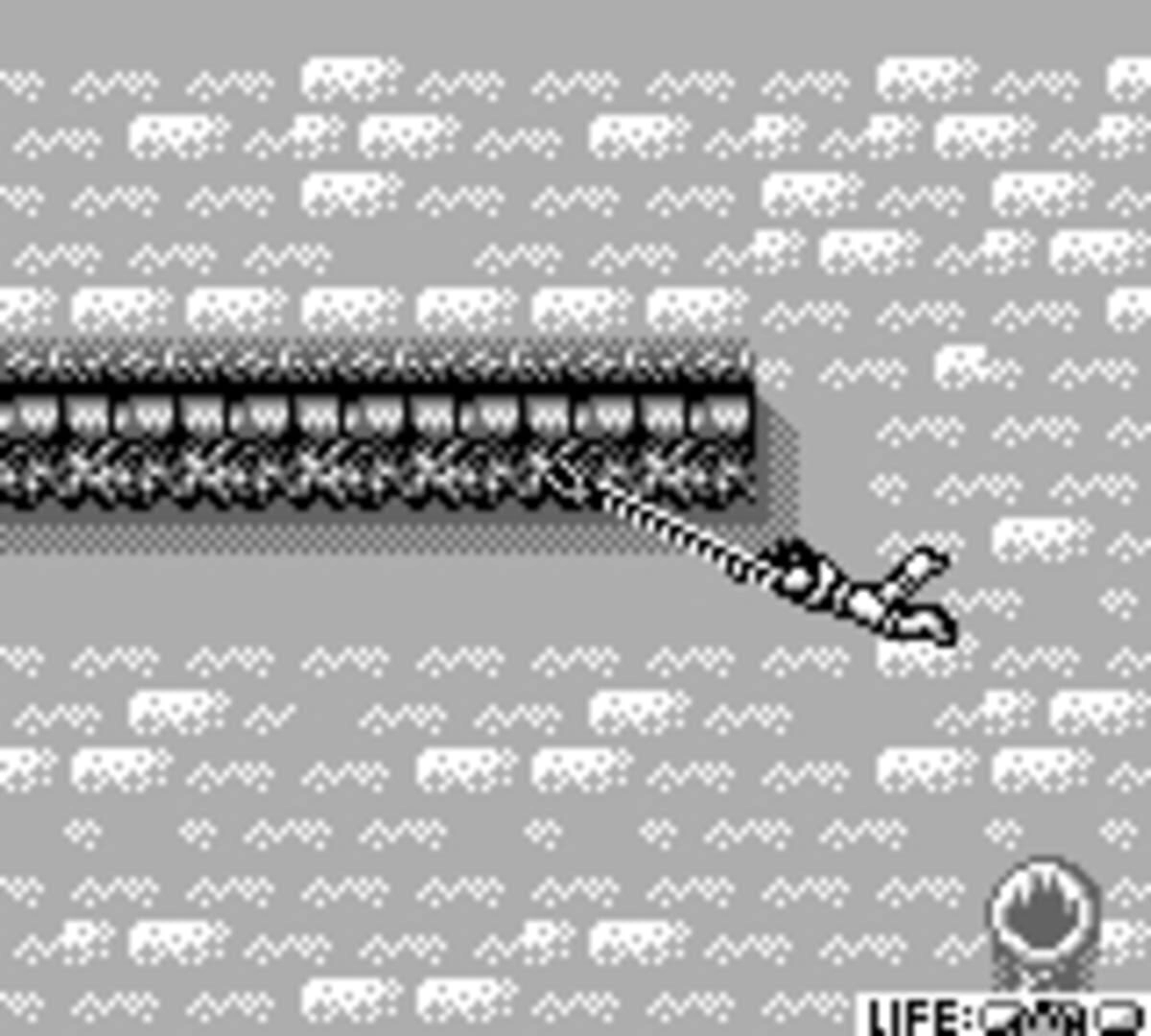
In Bionic Commando, players assume the role of a commando named Nathan "R.A.D." Spencer, whose primary distinguishing feature is his bionic arm. Unlike traditional platform games of the time, where characters relied on jumping, Spencer utilized his unique bionic arm to navigate the game world. This innovative gameplay mechanic allowed players to swing between platforms, climb walls, and engage enemies in a distinctive way.
The narrative of Bionic Commando takes place in the future, where the protagonist finds himself on a mission to rescue Super Joe. In the NES version, Super Joe's character was transformed into a prisoner of war, adding an element of urgency to the storyline. As players progress through the game, they uncover a plot by the enemy, the Badds, to resurrect their fallen leader, the Master D. The depth of the plot and the moral dilemmas faced by the characters added an unexpected layer of complexity to the game.
One of the most enduring aspects of Bionic Commando is its challenging gameplay. The bionic arm mechanics required precise timing and coordination, making every swing and jump crucial to progress. Additionally, players had to explore levels thoroughly, searching for hidden items, decoding secret messages, and gathering intelligence to advance through the game. These elements created an immersive and rewarding experience for players, encouraging them to think strategically while honing their platforming skills.
The NES version of Bionic Commando received critical acclaim upon its release. The graphics were a significant improvement over the arcade version, with detailed character sprites and vibrant environments. The game's soundtrack, composed by Harumi Fujita, added to the immersive experience, with memorable tunes that enhanced the game's atmosphere.
Bionic Commando's success on the NES led to numerous ports and adaptations for other gaming platforms. The game's popularity continued to soar, culminating in a remake for modern consoles in 2008. This remake further enhanced the gameplay and introduced a multiplayer mode, allowing players to engage in intense battles with friends.
The enduring legacy of Bionic Commando lies in its unique gameplay mechanics and compelling storyline. The game successfully blended action, platforming, and puzzle-solving elements, creating an experience that stood out from other titles of its era. The innovative use of the bionic arm as the primary means of traversal opened up new possibilities for game design and left a lasting impression on players.
Today, Bionic Commando remains a beloved classic among gaming enthusiasts. Its impact on the industry is evident, as the game's innovative mechanics have inspired countless titles in the years that followed. Whether swinging through the ruins to save Super Joe or deciphering secret messages to uncover the enemy's plans, Bionic Commando continues to captivate players with its unique blend of action and adventure.