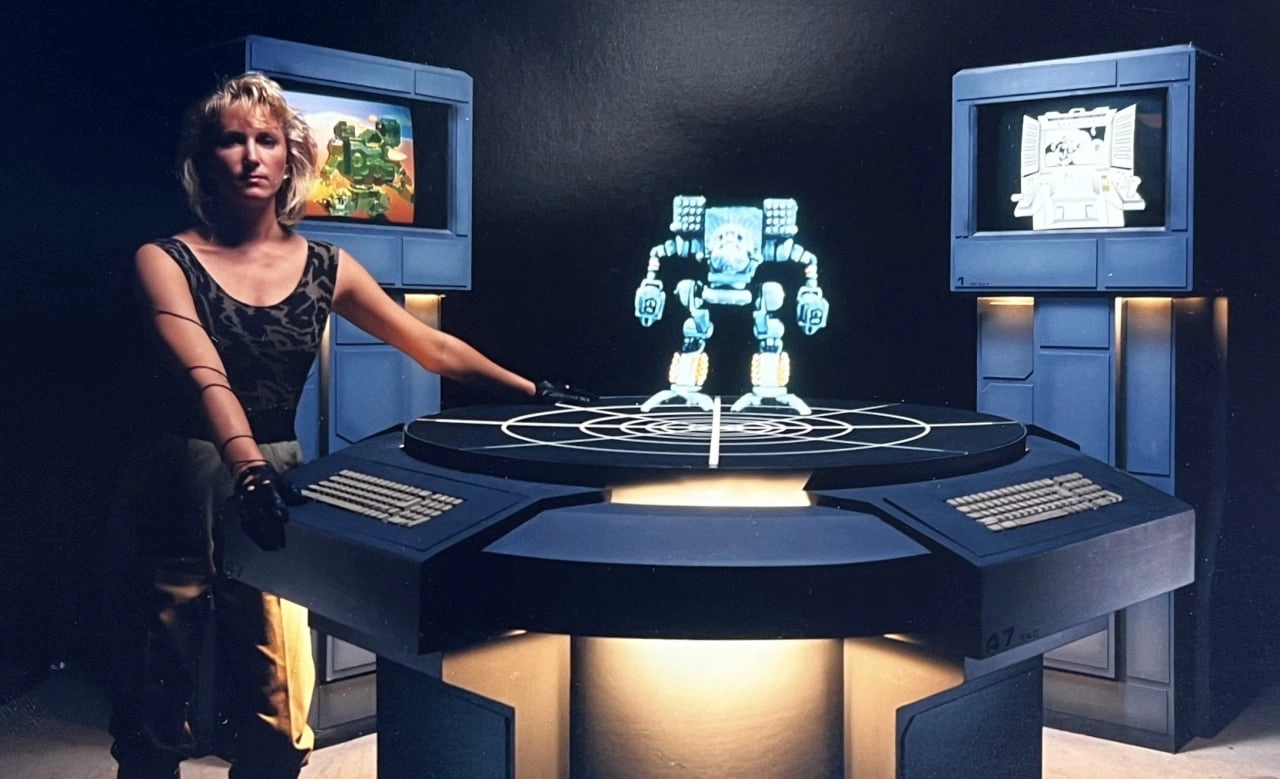
In the early 1990s, a revolution quietly took place in select corners of the world: the creation of BattleTech Centers. These were not simply arcades but a combination of immersive virtual reality, networked competition, and an early form of eSports that laid the groundwork for gaming's future.
BattleTech, a franchise spanning from board games to RPGs and novels, was the brainchild of Jordan Weisman, an imaginative entrepreneur inspired by starship simulations and the promise of interconnected microcomputers. His vision was to immerse players in the cockpit of a mech—a robotic battle vehicle—competing with others in rich, simulated combat experiences.
Inside the BattleTech Center 'pods,' as they were called, gamers found themselves surrounded by a networked simulation like no other at the time. With a series of monitors, flashy controls, and rumbling speakers, these pods transported players into the heart of mechanized combat. These setups provided a degree of complexity and sensory input that was unparalleled in the gaming industry.
Yet beyond advanced hardware and software lay Weisman's understanding of social dynamics - the need for people to congregate, converse, and compete. The BattleTech Centers not only offered unprecedented gaming experiences but also built communities that shared strategies, victories, and war stories. It's within this aspect that Weisman sees the most value, marking the experiences as more than mere technological feats.
The idea of networked multiplayer games was in its infancy, and the internet as we know it was foreign to most. Despite this, BattleTech Centers bridged distances, connecting centers across continents, letting players from America go head-to-head with those in Japan. Initially, this feature did not create the anticipated excitement, as the anonymity of distant opponents lacked the thrill of local rivalry. To overcome this, BattleTech incorporated leaderboards and media, fostering recognition and rivalry among players worldwide.
What made these Centers an early precursor to eSports was their hosting of tournaments, complete with broadcasts and celebrations of skilled players. Conflicts were not just waged within the game but in larger contests of regional, national, and international scope, adding excitement and recognition to competitive play. The very elements that define today's eSports were present and thriving within the BattleTech Centers.
However, despite the innovation and community engagement, BattleTech Centers were not without their challenges. The expense of curating these technologically advanced play spaces was significant. Initial projections were overshadowed by actual costs, driving Weisman's team toward contracting side projects to fund their ambition. While designed for economy and scalability, increasing complexity and costs, especially after rebranding to Virtual Worlds, led to financial strains.
These Centers evolved over time, moving from standalone installations to partnerships with larger entertainment venues like Dave & Buster’s. Yet, despite economic justifications, something was lost with this transition. The intimate atmosphere of pilot gatherings and the shared adrenaline of battled victories diminished within the broader entertainment context.
Ultimately, the rise of home consoles and personal computing changed the landscape of gaming, phasing out the need for dedicated centers like BattleTech's. Yet, the legacy of BattleTech and its Centers endures. These venues acted as laboratories of social gaming, testing and proving concepts of competitive and networked play that are now standard in the industry.
Euphoric engagement with the very idea of transportive gaming was what Weisman sought and achieved. Even today, enthusiasts maintain and cherish the pods from the original Centers, keeping the BattleTech experience alive at conventions and fan gatherings. The impressions left by these Centers are potent and enduring. They not only predicted but also shaped the route of digital entertainment by seamlessly blending storytelling, communal interaction, and game mechanics.
Jordan Weisman's endeavor was more than a commercial enterprise; it was the opening salvo in what would become a defining aspect of our cultural zeitgeist. It was a glimpse into a future where gaming escapes the confines of living rooms to join a shared, competitive canvas that spans the globe—a future where eSports would become a phenomenon deeply integrated into our collective gaming experience.

You must be logged in to post a comment!
