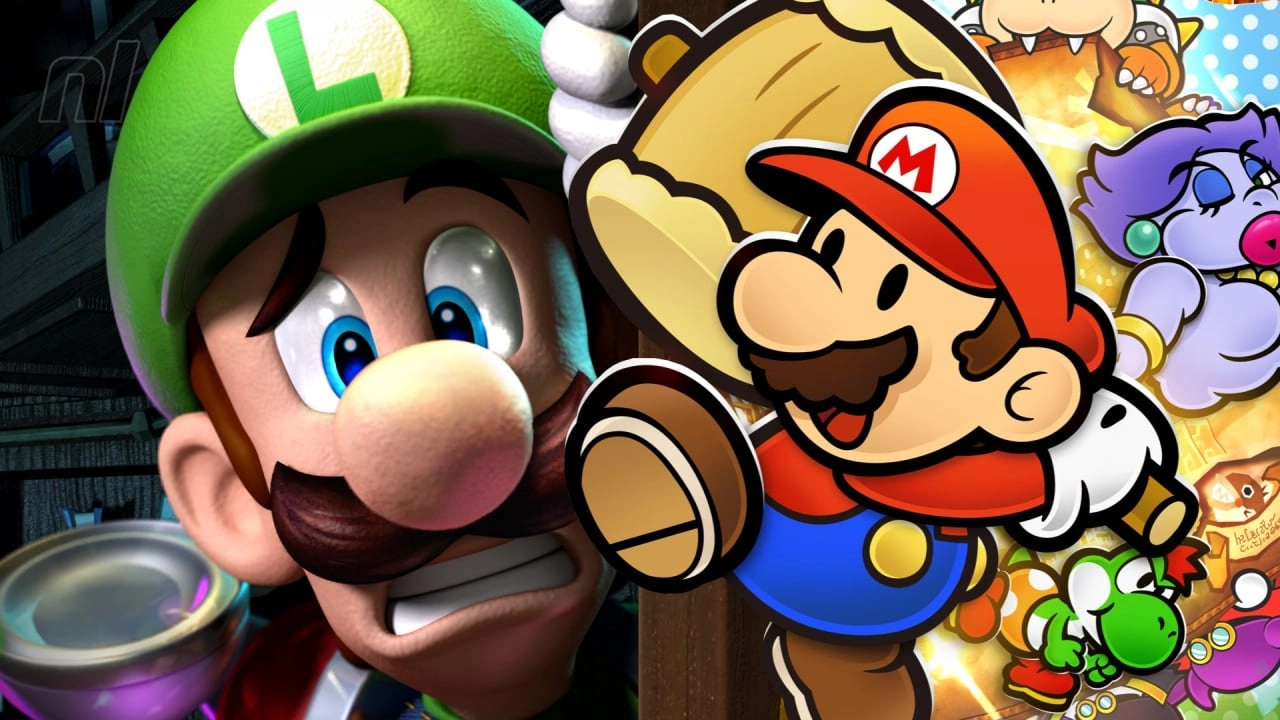
In the gaming world, nostalgia holds a powerful allure. Gamers often welcome the return of classic titles with open arms, eager to relive the experiences that shaped their passion for the medium. This has become especially apparent as the Nintendo Switch enters its eighth year and the gaming community anticipates new console launches. Nintendo, among other developers and publishers, has increasingly turned to remakes and remasters as a way to bridge the gap between console generations. The re-release of beloved games such as Super Mario RPG, Mario vs. Donkey Kong, and the upcoming Paper Mario: The Thousand-Year Door reflects this trend.
These remakes and remasters have been largely well-received, seen as a safe bet in a world where brand new gaming concepts carry inherent risks. Yet, there's a growing sentiment that simply repackaging old titles might not be enough. While it's pleasurable to revisit updated classics or to discover titles that might have been previously missed, there's an appetite for something more – an added layer of depth that contextualizes these enduring works within the tapestry of gaming history.
Digital Eclipse, a developer known for its archival work, has set a compelling precedent with its Gold Master Series. This initiative takes iconic old games and situates them in their historical context through a timeline narrative, complete with archival documents, early builds, developer interviews, and more. The attention to detail and the celebration of gaming's heritage through interactive components offer players a holistic experience that goes beyond the game itself.
There's certainly space for major players in the industry, like Nintendo, to take a leaf out of Digital Eclipse's book. Imagine the resonance a game like Mario vs. Donkey Kong would have if it came bundled with developer commentary on its evolution, original artwork, and the option to switch between classic and updated visuals. Titles such as the Pikmin series also present missed opportunities, where the base game was presented without delving into the rich development history that fans would relish.
Yet, it is no small task to compile these compilations. The expense and complexity involved in gathering historical content and integrating it within a remaster cannot be understated. Moreover, it's recognized that while it would be ideal for every remaster to offer a comprehensive historical package, practicality and resources dictate a more measured approach.
When considering the rich and storied history of a company like Nintendo, there's a pressing need to document and share the legacy of its creatives – many of whom have decades-long tenures with the company. Adding historical content to remakes and remasters seems like a fitting tribute to these individuals – a way to archive their stories and insights for future generations.
The challenge, however, is finding a way to incorporate this content without inflating costs prohibitively. The suggestion of offering historical additions as downloadable content (DLC) or as part of special editions arises as one potential solution. In an era where fans are familiar with paying a premium for collector's editions replete with tangential materials like stickers and figurines, offering substantial behind-the-scenes content might be an attractive alternative.
Furthermore, there's the possibility that such content could surface at the upcoming Nintendo Museum, but that leaves out a vast global audience who can’t travel to a physical location in Japan. Digital distribution of such historical material might circumvent this issue, allowing a broader audience to access it.
The arguments for and against enhancing remakes and remasters with historical content boil down to balancing the desire to celebrate gaming's rich history with the practicalities of game development and publishing. Nevertheless, as developers continue to look back and bring classic titles into the modern era, it seems increasingly important to consider how these games can serve not only as standalone experiences but also as conduits for storytelling, archiving, and education about the medium's evolution.
Ultimately, the hope is that industry leaders will acknowledge and act upon these discussions, enriching the gaming landscape with titles that honor their legacies through innovative presentations and contents. Only time will tell if such aspirations will become a standard practice in the gaming industry, as part of a larger effort to preserve and celebrate the medium's past for the future.

You must be logged in to post a comment!
