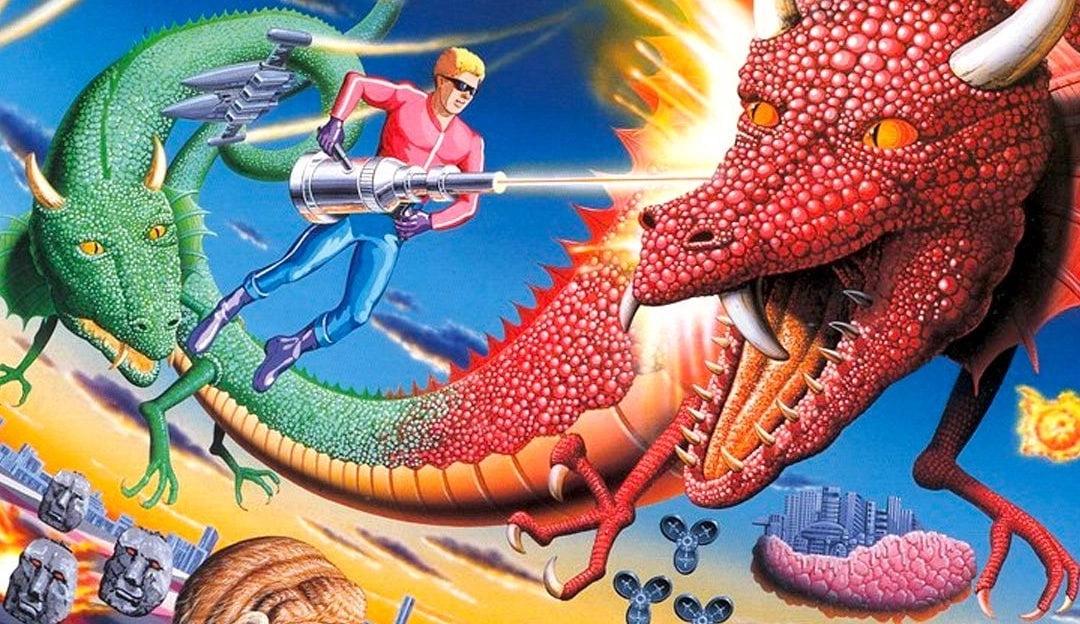
Sega’s Space Harrier, a name familiar to arcade enthusiasts and retro gaming fans, stands as a pillar of classic gaming with its vibrant sci-fi and fantasy elements. Recognized for its fast-paced gameplay and an assortment of mythical creatures, the tale of how Space Harrier came to be is as fascinating as the game itself. Surprisingly, the original concept of the game vastly differed from the final product we grew to love.
During the development phase in the mid-1980s, Space Harrier was envisioned as a traditional shooter, markedly distinct from the final iteration. This prototype featured an aircraft as the player's avatar instead of a human character with flight abilities. The initial design was the brainchild of another Sega designer named Ida, who dedicated a substantial 100-page document outlining his vision of the game—with a jet soaring through levels and combating enemies.
However, the development of Space Harrier faced significant technical challenges, mainly memory limitations, which forced the team to rethink its strategy. This pivotal moment led Yu Suzuki, the legendary game designer, to draw inspiration from other popular media of the time. Elements from Space Cobra and The Neverending Story, alongside the influential artwork of Roger Dean, played a significant role in shaping what would become the final product. The incorporation of these sources transformed Space Harrier into a game that melded science-fiction with fantasy, offering players a unique experience that deviated from the standard arcade shooters of that era.
Despite being released over three decades ago, Space Harrier’s development history remains intriguing to fans and historians alike. The mystical resurfacing of rare footage depicting the game's early version has reignited discussions within the gaming community. The video, posted by Japanese user NAOENAMIPCB on social media, has once again highlighted a project that could have taken a very different direction. For many fans, this early footage—showing the game with its original jet—was an unprecedented glimpse into the title’s alternate past.
In an interesting twist, the Sega Master System adaptation of Space Harrier offered a nod to this original concept. By entering a specific sequence of commands at the game's title screen, players could activate a cheat that transformed the protagonist back into the original jet fighter. This Easter egg served as a homage to the game's development history and allowed players to engage with the jet fighter that never was.
The evolution of Space Harrier is a testament to the fluidity of the game design process, where initial plans often morph to accommodate technical restrictions or creative shifts. It demonstrates how constraints can sometimes lead to more innovative and memorable experiences. Rather than simply being a pure shooter game, Space Harrier became known for its varied enemies, otherworldly landscapes, and the iconic, jetpack-wearing human character who flew through these environments to combat threats.
Space Harrier’s tale of adaptation and re-imagination offers an enlightening perspective on how some of gaming’s most beloved classics were shaped by a combination of vision, technological capabilities, and influences from contemporary media. It also underscores how secrets and histories of games can re-emerge, offering both new and seasoned players a deeper appreciation of their favorite titles. The rediscovery of Space Harrier’s initial footage does not only serve as a piece of nostalgia but as an important chapter in the chronicles of video game development, one that echoes the dynamic and ever-evolving nature of the industry. Whether uncovering the game's past is a new revelation to you or a piece of knowledge you already hold, the tale behind Space Harrier remains a compelling narrative in the history of video games.

You must be logged in to post a comment!
