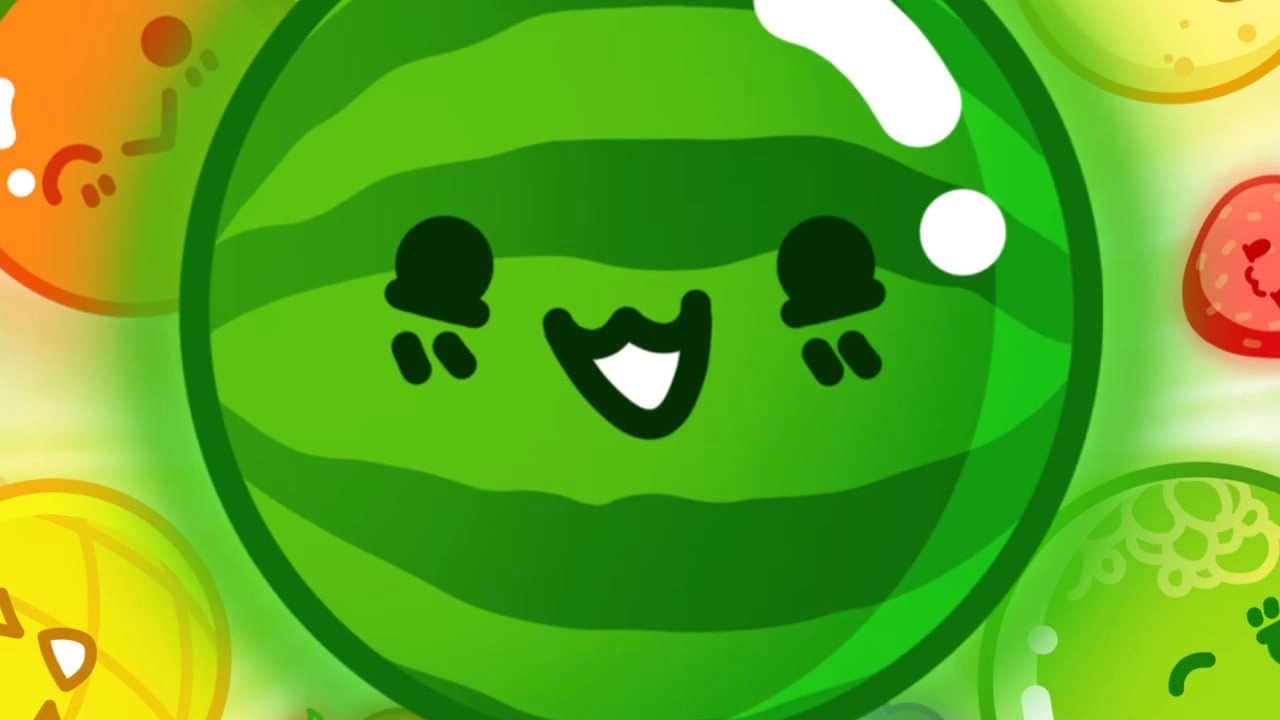
The gaming community on PlayStation has recently found themselves embroiled in confusion surrounding the release of a game named The Suika Game on the PlayStation Store. This title shares the name with a well-loved game that's widely known on the Nintendo Switch, though the two are not connected. Gamers, expecting the authentic Suika Game experience, were left bewildered when a game was released for the PS5 and PS4 bearing a remarkably similar name but not the underlying pedigree of the Nintendo Switch counterpart.
The Suika Game quickly caught the attention of PlayStation enthusiasts as they spotted its listing on the PS Store. This particular version, however, is affiliated with GoGame Console Publisher, a company based in Romania that is not associated with the original creators of the Nintendo Switch's Suika Game. The confusion escalated when the developer of the original Suika Game, Aladdin X, delivered a statement to Eurogamer.net clarifying that they had no connection with the PlayStation version. They emphasised the lack of any affiliation, pointing out that the game listed was not their creation.
The description of the PlayStation version suggested that its gameplay is strikingly similar to the original. The premise involves creating chains of identical fruit that culminate in the formation of a watermelon. This grand amalgamation not only garners a surge of points for the player but also clears significant space on the board. A notable departure from typical puzzle game conventions is the absence of a time constraint, thus granting players the luxury of strategizing their moves without the pressure of a ticking clock.
This apparent imitation has not only posed potential legal problems due to the misleading nature of its name but has also sparked a broader discussion regarding the ethical implications of such close resemblances in the gaming industry. The potential for customer confusion is high, particularly given the lack of clarity in the PlayStation Store's listing about the game's origin. This presents a complex challenge that intersects the realms of consumer protection, intellectual property rights, and brand integrity.
The situation is made more intricate by the fact that the video game industry is no stranger to homages, parodies, or games inspired by popular titles. Such creations often tread a fine line between homage and infringement, demanding careful consideration of both legal boundaries and the ethical implications of intellectual property use. In this case, whether the developers of The Suika Game on PlayStation intended for it to be a tribute or a direct copy is unclear. Still, the confusion it has caused among fans is undeniable.
The emergence of this version of The Suika Game has prompted discussions about the responsibility of game platforms like the PlayStation Store to ensure that games published under their banner are not misleading or deceptive. Such situations can potentially tarnish the reputation of the platform if not handled with swift and transparent measures.
As the story unfolds, it remains uncertain whether any legal action will be taken by the original creators of the Suika Game. What is evident, however, is the significance of clear communication and honesty in marketing video games. The integrity of a brand and the trust of its consumers are as fundamental to the success of a game as its gameplay and aesthetic appeal.
For the time being, players on the PlayStation platform looking to enjoy the authentic Suika Game experience may need to exercise patience or turn to the Nintendo Switch version of the game. As for the knock-off iteration, its future on the PlayStation Store hangs in the balance, with potential punitive or corrective actions looming on the horizon depending on how the situation evolves. The gaming community will undoubtedly watch keenly to see how this case of mistaken identity is resolved.

You must be logged in to post a comment!
