Earlier this year, the world of classic gaming witnessed a unique and impressive feat: a teenager named Willis "Blue Scuti" Gibson achieved something that had not been done in 34 years. He reached what is known in the gaming community as the “kill screen” of the original Tetris game on the Nintendo Entertainment System (NES). This “kill screen” occurs when the game no longer functions correctly due to a programming overflow, making further progress impossible.
Willis's journey to this rare gaming achievement was not just a testament to his skills but also a poignant chapter in his personal life, coming after the tragic death of his father. His success not only set a significant milestone in the gaming world but also turned him into an internet sensation almost overnight.
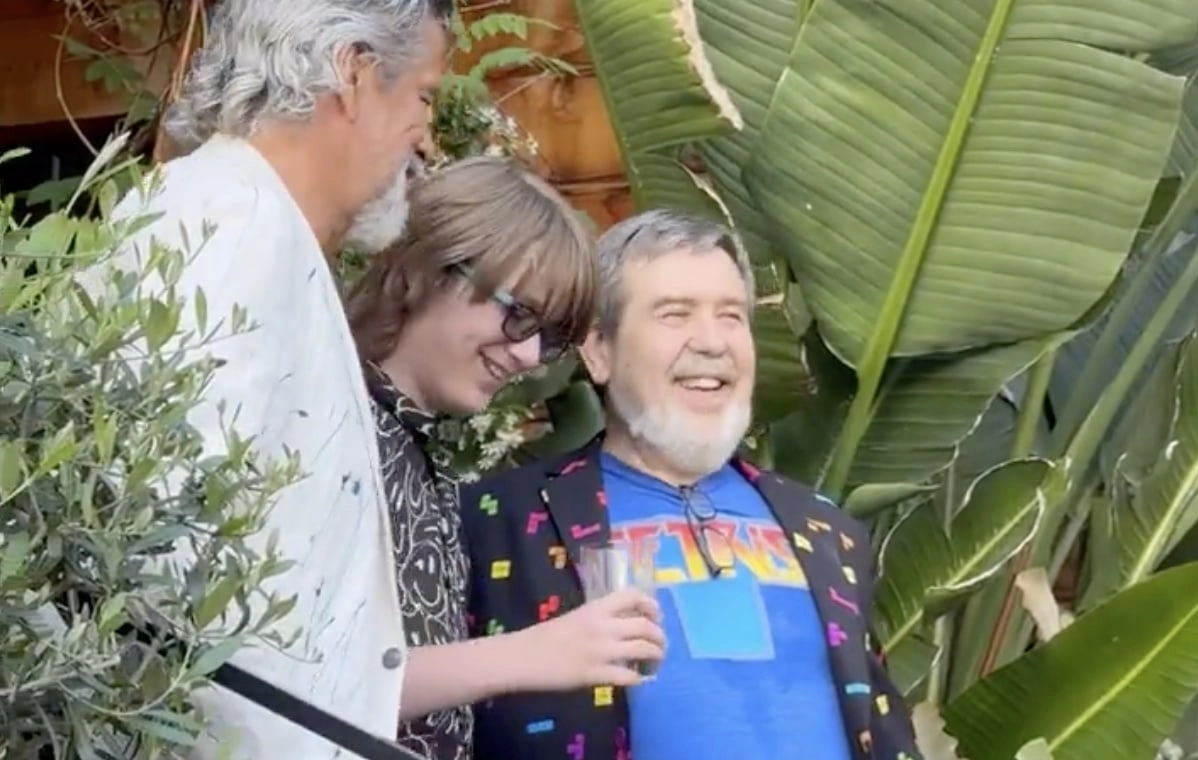
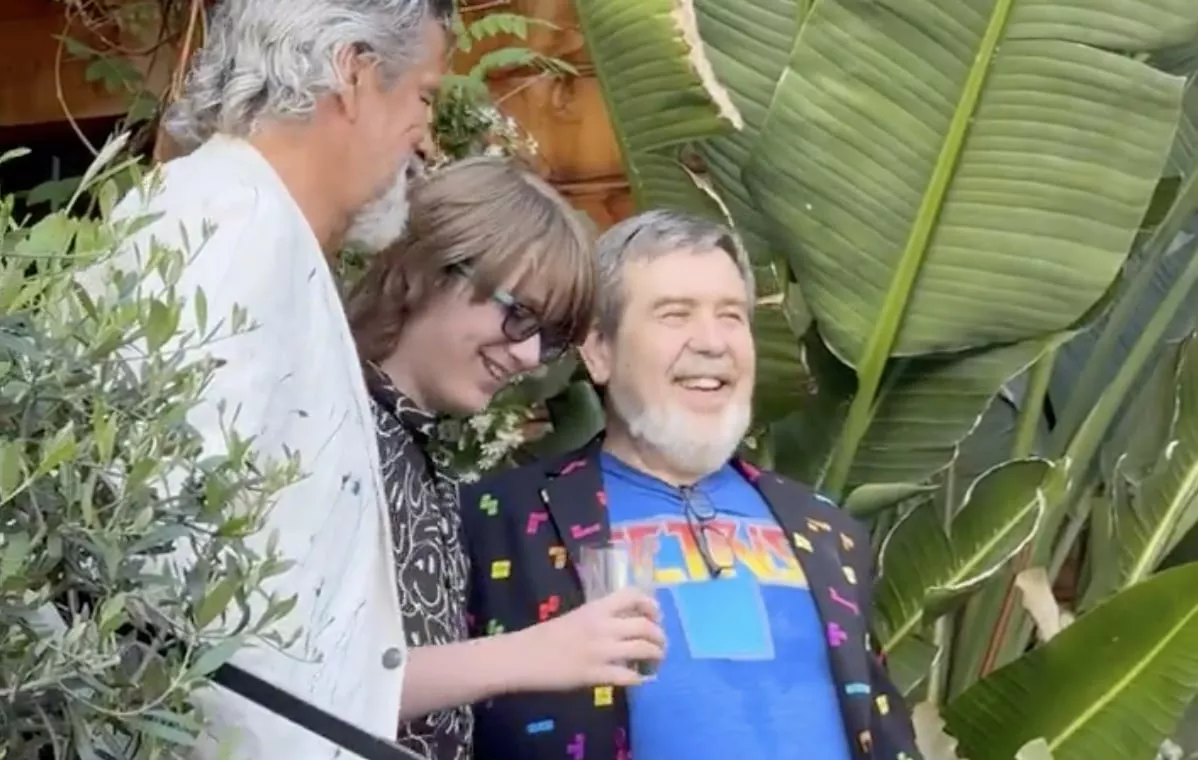
On this wave of newfound fame, Willis was invited to a special anniversary event in Los Angeles, where he would have a momentous meeting. At the event, hosted to celebrate the enduring legacy of Tetris, Willis came face to face with Alexey Pajitnov, the Russian software engineer who created the game, and Henk Rogers, who played a crucial role in popularizing Tetris globally by acquiring the rights for Nintendo. This encounter was not just any meeting—it was a symbolic passing of the torch from the game’s original innovator to a young man who had, in his way, mastered it.
This meeting was particularly significant for both Willis and the creators of Tetris. For Pajitnov, seeing the passion of a young player achieving what was once deemed nearly impossible must have been a deeply validating experience, affirming that his creation continues to engage and challenge new generations. For Willis, meeting Pajitmov provided not only an incredible personal triumph but also an opportunity to connect with the history of the game he mastered.
The event was well-documented, capturing the attention of fans and media alike. A social media post by VGC's Andy Robinson featuring Pajitnov, Rogers, and Willis at the event highlighted the significance of the meeting, drawing reactions and shares from the global gaming community.
Beyond the personal stories and historic meeting, the world of Tetris continues to evolve and inspire. The same event highlighted other exciting developments in the Tetris community, such as the remarkable achievements of Alex Thach, another teenage prodigy who managed to set an extraordinarily high score on Tetis by strategically avoiding the kill screen trigger, showcasing the evolving strategies and competitive spirit that the game still elicits.
Additionally, the cultural impact of Tetris is being explored in new formats, including a dramatized account of its history in an upcoming Apple movie. This adaptation will likely introduce the legendary tale of Tetris to a broader audience, demonstrating its significance not just as a game but as a cultural phenomenon that transcended the Iron Curtain to become a global sensation.
The story of Tetris and its ongoing influence is a testament to the game's design and appeal. From its humble beginnings in a Soviet computing center to becoming a household name, the game has endured various adaptations and challenges that continue to engage players of all ages. The meeting between young Willis Gibson and Alexey Pajitnov not only marked a celebratory moment for past accomplishments but also a hopeful glance towards the future of Tetris—as a game that continues to fascinate, challenge, and bring people together across different generations.

You must be logged in to post a comment!
