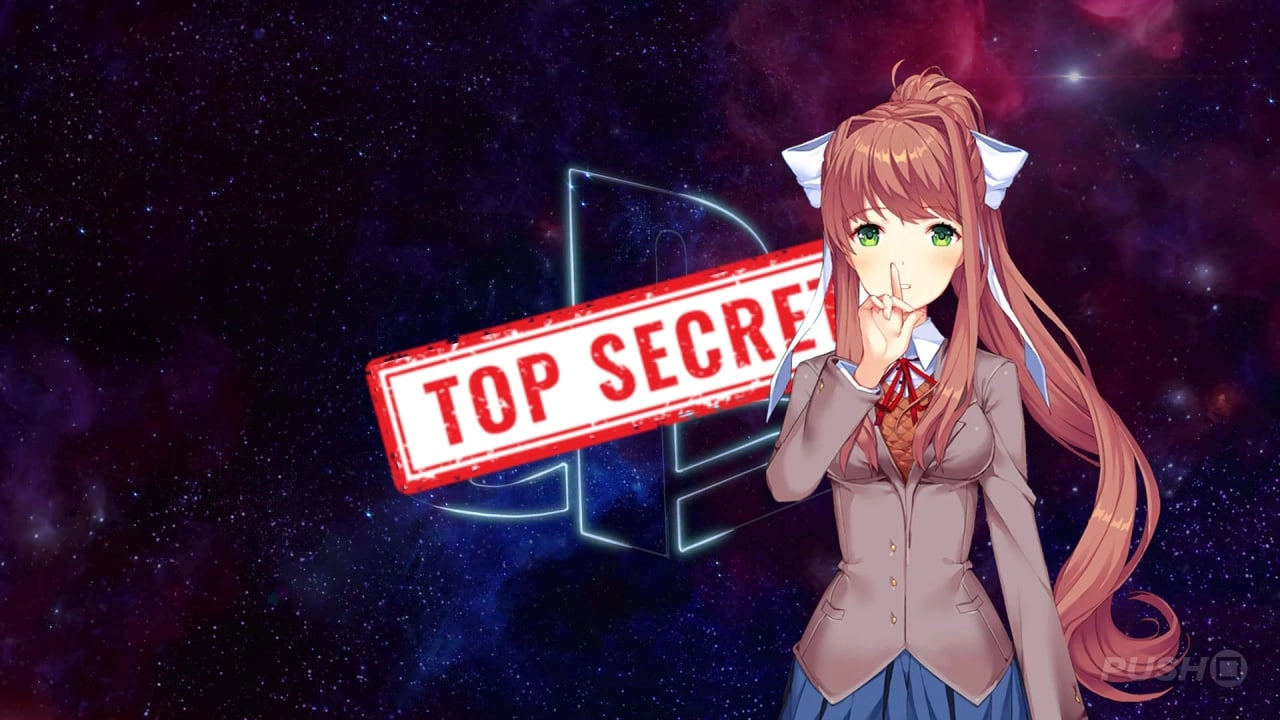
Since the launch of the PlayStation 5 (PS5), Sony has adopted a quieter, more reserved approach in its marketing and public communications, a stark contrast from the more open and engaged strategy seen in previous console generations. This shift towards a "show don't tell" philosophy was highlighted in a recent interview with Sony's new co-CEOs, Hermen Hulst and Hideaki Nishino, who have taken the helm from former CEO Jim Ryan.
The concept behind Sony's revised strategy is simple: instead of relying heavily on press releases, interviews, and constant updates, the company believes the quality of the product should speak for itself. According to Hulst, spending time with the creators and focusing on the product is what truly matters at the end of the day, rather than continuously discussing behind-the-scenes details and corporate developments. Nishino echoes this sentiment, emphasizing that what's put forward—the games and the console—are the primary focus, rather than the individuals making it happen.
This new tactical move by Sony, while perhaps effective in maintaining a certain allure or mystique around the PS5, has significant implications for fan engagement and press relationships. Media outlets, particularly those dedicated exclusively to PlayStation like Push Square, express frustration over this shift. The lack of open lines of communication and scarcity of nuanced updates from Sony make it challenging for such sites to generate content that keeps the PlayStation enthusiast community informed and engaged.
Discussions on upcoming projects, insights into the development process, or explanations on strategic decisions such as porting games to PC or expanding the PlayStation VR2 ecosystem are sparse. This leaves fans and commentators guessing about Sony’s directions and intentions. The company’s silent approach also raises questions about how it plans to address industry-wide concerns such as increasing development times and maintaining a competitive edge in a rapidly evolving market.
The consequence of this new strategy is a double-edged sword. On one hand, it could elevate the PS5's brand by focusing purely on delivering high-quality products and letting those products ‘do the talking’. This approach could potentially create a strong image of confidence in the offerings, implicitly suggesting that the quality of games and hardware is so high that no further explanation or promotional effort is required.
On the other hand, this secretive or reserved approach might alienate a segment of the consumer base that thrives on direct communication and regular updates. These consumers often see corporate transparency and engagement as an essential aspect of customer care and brand loyalty, which is particularly relevant in the gaming community where enthusiasm and support are closely tied to the perceived relationship between a company and its consumers.
Moreover, the realm of gaming media and influencer-based promotion leverages detailed information and anticipatory content to fuel excitement and discussions amongst fans. A dearth of communication can dampen the vibrancy of pre-release hype and day-to-day interaction, which historically have helped maintain a console and its ecosystem at the forefront of public attention.
Despite the changes, the success of the PlayStation 5 cannot be categorically linked to communication strategies alone. As the gaming landscape continues to evolve with new technologies and shifting player expectations, Sony may need to revisit and potentially re-balance its approach between maintaining product excellence and nurturing its historically strong community engagement.
The future of PlayStation remains a closely watched and much-discussed topic within the gaming industry, underscoring the enduring strength of Sony's brand. Whether this new strategy of emphasizing 'showing' over 'telling' will ultimately benefit the company in the long-term remains to be seen. As the gaming community continues to adapt to this less communicative approach from one of its leading figures, only time will truly tell if silence really does speak louder than words in the competitive arena of game consoles.

You must be logged in to post a comment!
