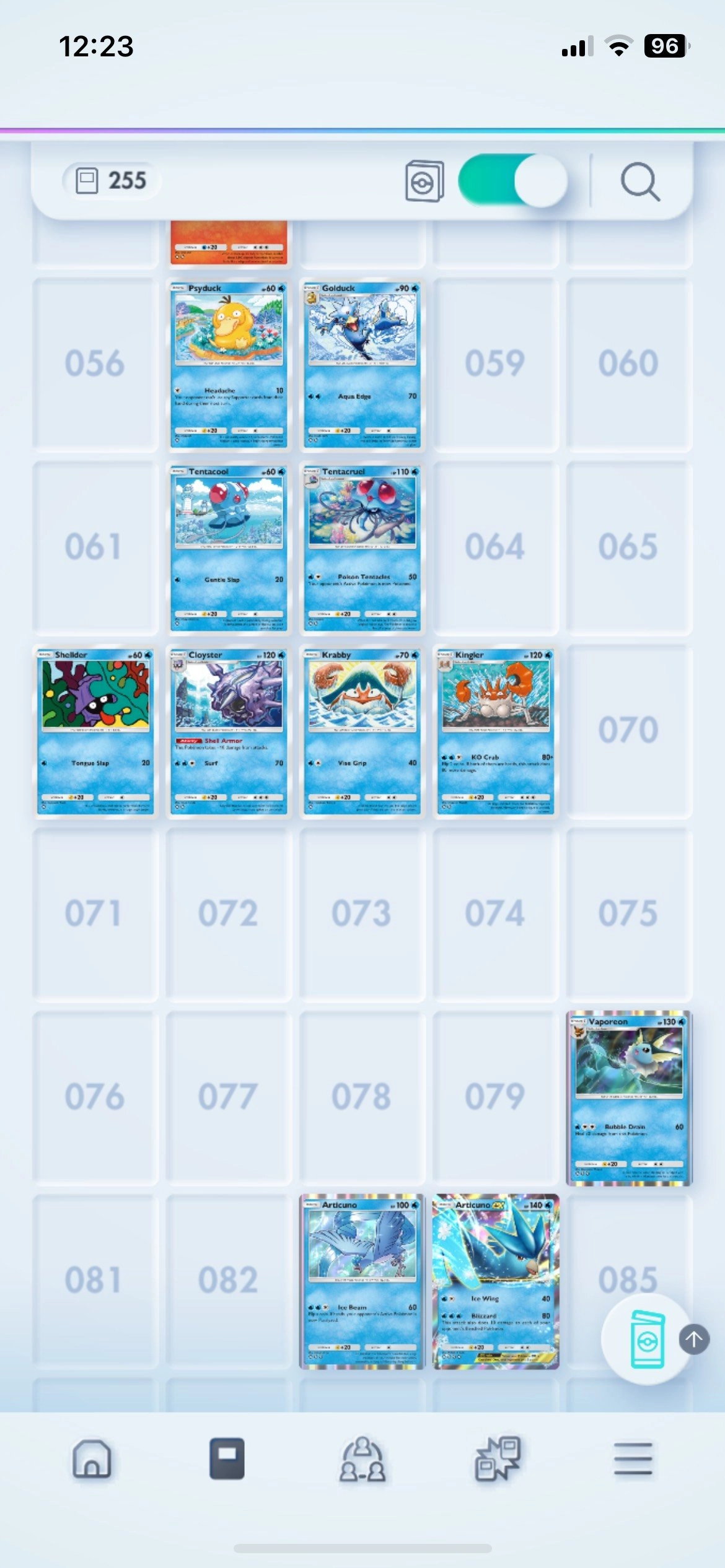
Pokémon Trading Card Game Pocket has made its debut on mobile devices, aiming to capture the hearts of both veteran players and newcomers. This review delves deep into the game, highlighting its mechanics, monetization, and overall player experience.
Pokémon TCG Pocket has simplified the traditional Pokémon Trading Card Game to appeal to a broader audience. The complexity of the original game's rules and card texts has been significantly reduced. This streamlining is evident from your first interaction with the game, where you are greeted with a pack of cards that includes a guaranteed rare EX card—these are powerful versions of regular Pokémon cards.
Opening card packs is a core element of the game and is designed to be an exciting experience. Players swipe their finger across the pack to "tear" it open, a satisfying interaction that never seems to get old. Pokémon TCG Pocket introduces a unique feature called Wonder Pick, allowing players to choose a card from another player's pack, with the first pick guaranteed to be rare. This adds an interesting layer to the collection aspect, encouraging players to keep engaging with the system to discover new cards.
Despite the thrill of opening new packs, the game imposes a time restriction on how frequently you can open them. Initially, the game bombards you with Pack Hourglasses, which reduce this waiting time, allowing a flurry of pack openings. However, once these hourglasses run out, players face a slow progression unless they decide to invest real money to buy more.
The game features an overwhelming array of tokens and in-game currencies, from Pack Hourglasses to Wonder Hourglasses and shiny dust for cosmetic upgrades, among others. This abundance of currencies can be daunting, especially given their various applications in buying packs, speeding up timers, or purchasing items from the game's store.
Monetization is a prominent aspect of Pokémon TCG Pocket. Although not overly aggressive, it significantly impacts gameplay; players who do not spend money may find their progress frustratingly slow. This setup is reminiscent of many mobile games where spending money can feel almost necessary to enjoy a smooth and fulfilling gaming experience.
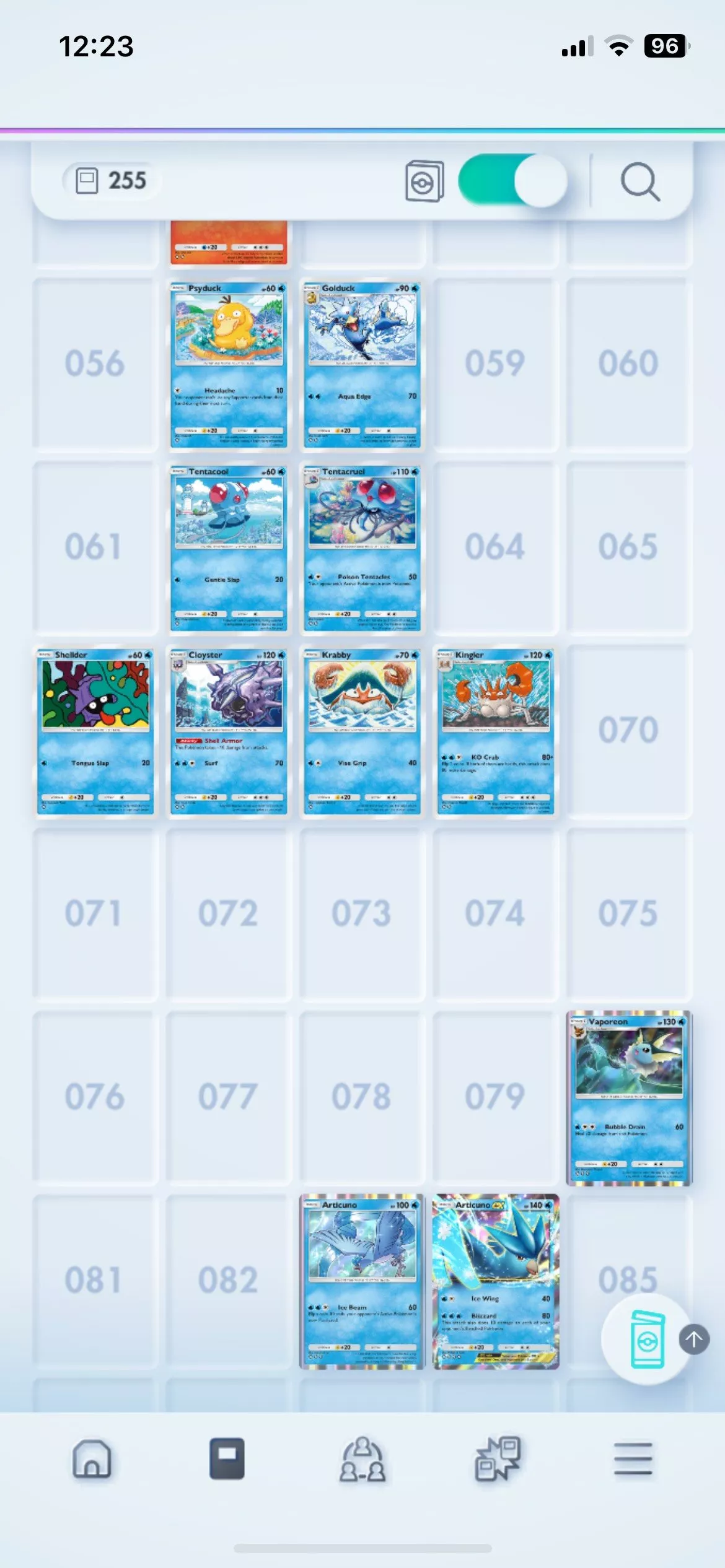
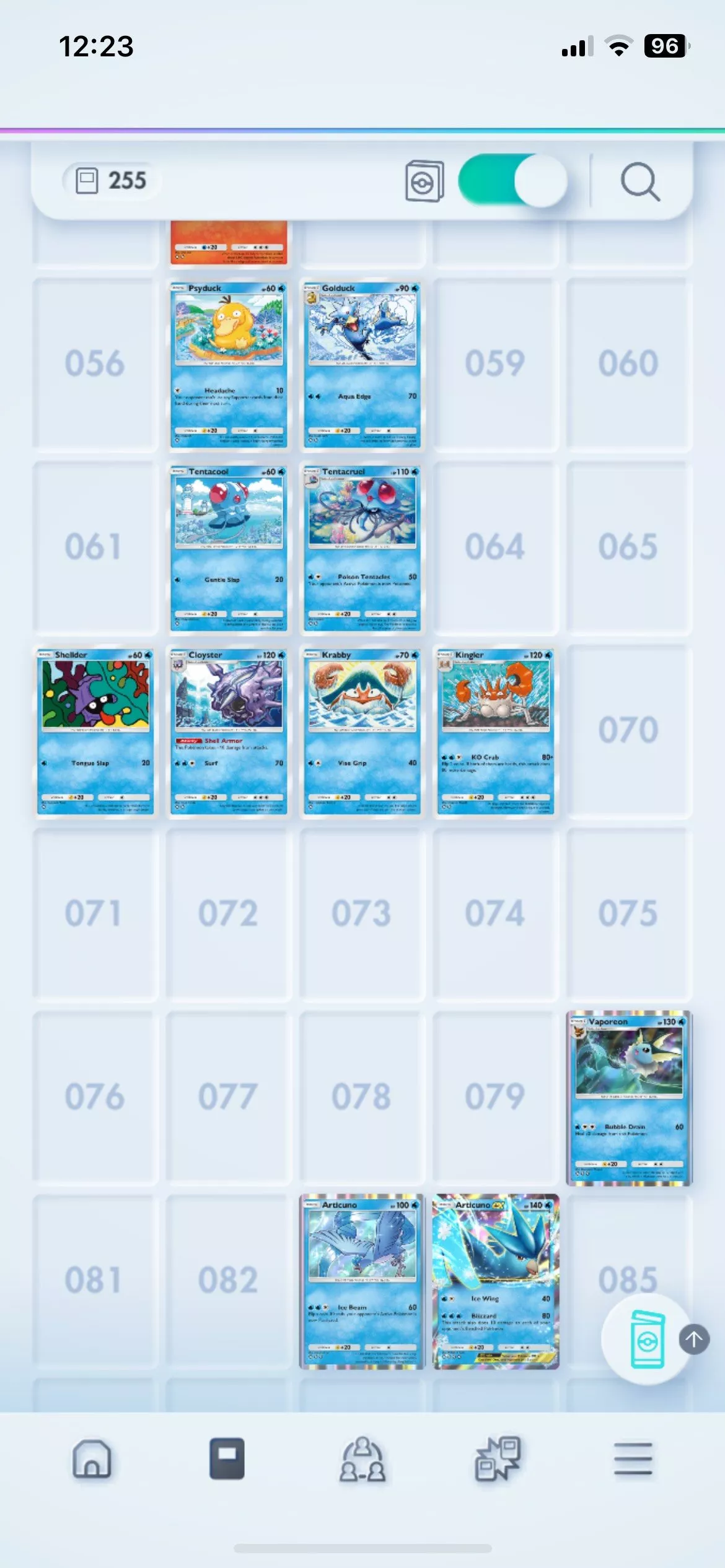
Despite these monetization tactics, the charm of the Pokémon brand is undeniable. The artwork on the cards is stunning, capturing the essence of Pokémon beautifully and making each new card a delightful discovery. For those who enjoy the nostalgia of collecting Pokémon cards, the mobile game offers a digitally updated version of this joyous experience.
The battle mechanics in Pokémon TCG Pocket have been simplified compared to the original card game. Players receive energy automatically each turn, and the decks are smaller. Most Pokémon cards feature one or two attacks with straightforward effects, making the game accessible to beginners. However, this simplification also means that strategies are often straightforward, and battles can be predictable.
There is no ranked competition at launch, only a few rewards for battling other players besides minimal experience points. However, the battle tutorials are comprehensive and reward players with in-game currencies, making them worth the effort for newcomers.
Final thoughts reflect on the dual nature of Pokémon TCG Pocket. For casual players, the game offers a pleasant distraction, a chance to collect and battle with beloved Pokémon in a simplified setting. Yet, for those more interested in competitive play or who dislike aggressive monetization, the game might prove less appealing. Overall, Pokémon TCG Pocket succeeds in adapting a classic card game for the mobile platform but with reservations about its push towards in-app purchases.

You must be logged in to post a comment!
