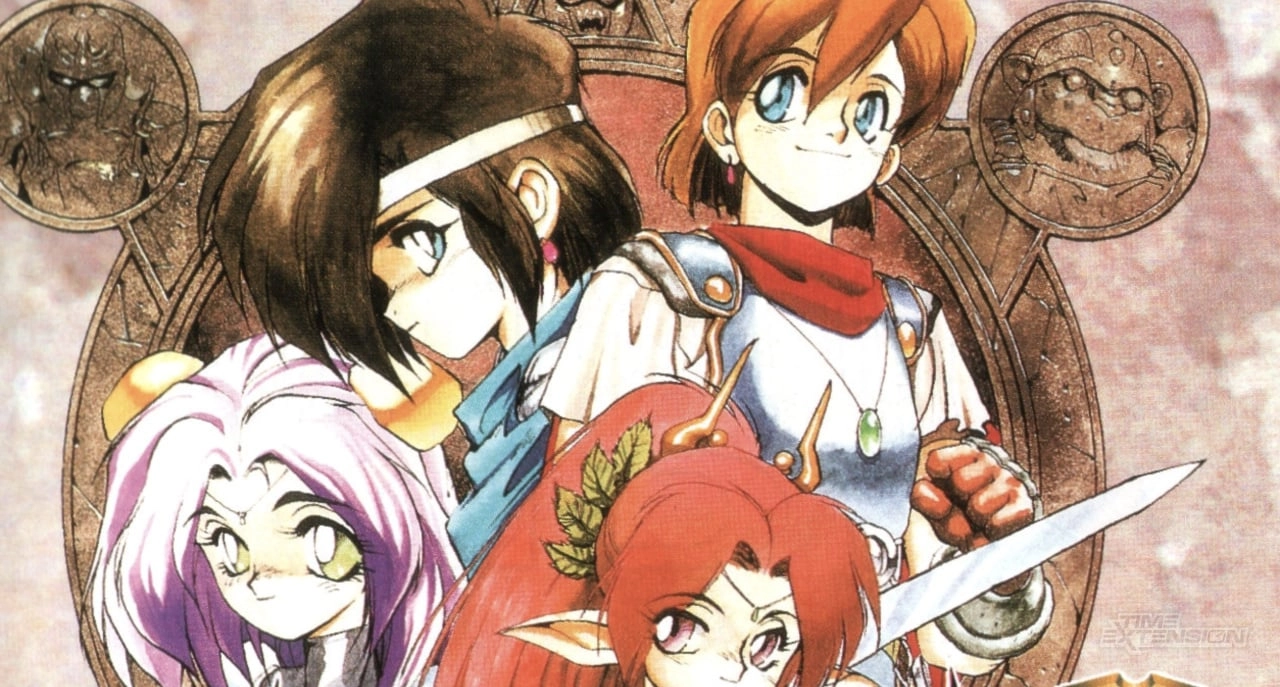
Shining Force CD, a standout title for the Sega CD system, was known for requiring additional hardware to fully enjoy all its features, due to its high memory demands. The game contained three separate 'books,' stages of gameplay that unfolded sequentially. To progress to the third book, players needed to save their progress from the first two, requiring more memory than the Sega CD's built-in capacity could provide. This compelled players to purchase the Sega CD Backup RAM cartridge, a significant additional expense and hassle.
However, recent insights from Euan Forrester, who runs a specialized website for converting game save files, reveal that this requirement might not have been necessary after all. Forrester, deep in the process of adding support for Sega CD files to his site, discovered intriguing details about the game’s save file system. Shining Force CD’s save files utilized error correction - a process that ensures data integrity by doubling the file size. Forrester found that each 99-block save file could efficiently be reduced to 50 blocks without this optional error correction function.
By omitting error correction, two save files (along with a hidden file that stores overall game progression using just one additional block) would need only 101 blocks, comfortably fitting within the Sega CD’s native 125-block capacity. This discovery indicates that the developers' choice to implement error correction, which significantly increased the storage requirement, was not strictly mandatory for the game's functionality.
Despite Forrester’s achievement in theoretically reducing the save files’ size, his modified smaller files currently cannot be recognized by the game without error correction enabled. This means the original game still won't acknowledge these condensed save files unless modified by a patch that would allow the game to recognize them.
Shining Force CD, which initially released in Japan in 1994 and later in the West in 1995, is essentially a graphically enhanced remake of two earlier titles originally designed for the handheld Game Gear—Shining Force Gaiden and Shining Force Gaiden II. A third chapter, Shining Force Gaiden: Final Conflict, came out in 1995. These games collectively deepen the lore and universe of Shining Force CD, connecting the stories from handheld adventures to home console.
This revelation has sparked interest in the gaming community, highlighting both the technological underpinnings of classic gaming hardware and the decisions made by game developers that can dramatically impact user experience. For vintage gaming enthusiasts and technical experts alike, such discoveries open up discussions about game preservation, optimization, and the historical contexts of game development.
Future developments could include a programming enthusiast taking up the task to create a patch that allows Shining torch CD to recognize smaller, error correction-free save files, effectively bypassing the original need for additional memory hardware. This could make the game more accessible, allowing modern players to experience it without hunting down obsolete hardware, and preserving the game more faithfully for future generations. Such efforts reflect a broader trend in the retro gaming community toward maintaining and enhancing access to classic games through new technology and modifications.

You must be logged in to post a comment!
