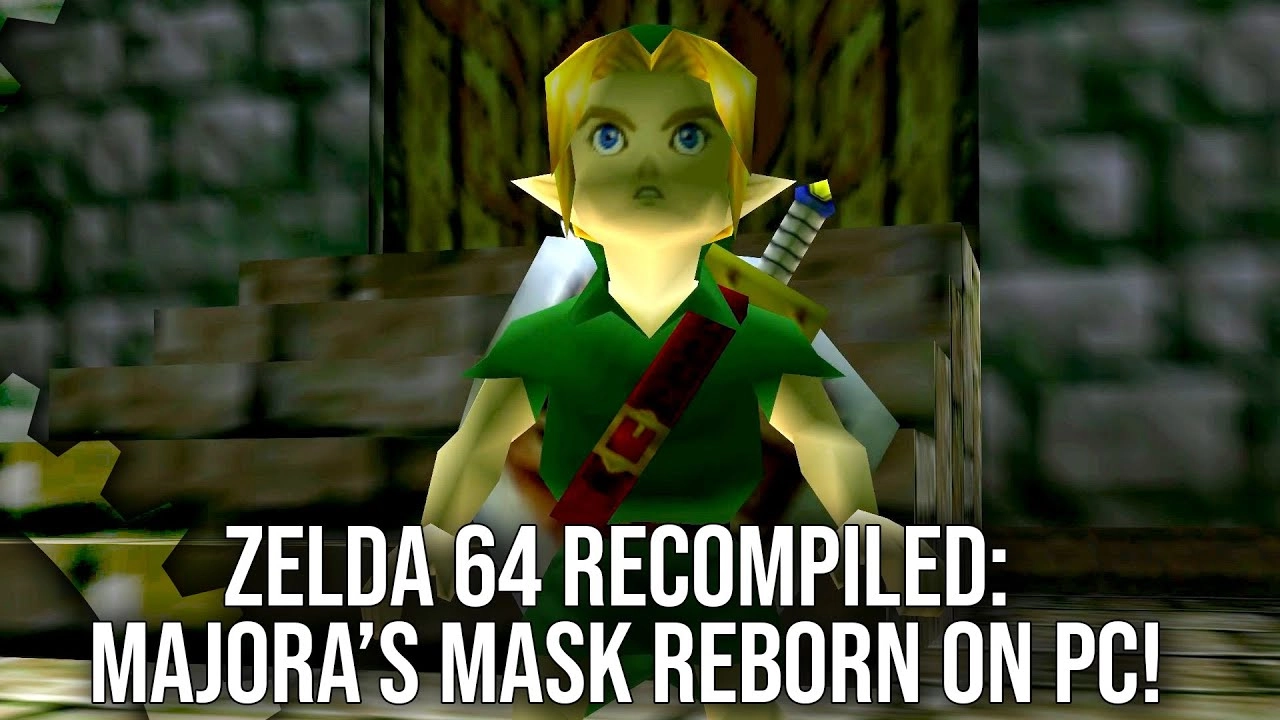
The realm of game emulation is continually evolving, bringing classic games from past consoles to the forefront of modern gaming technology. Recently, the Nintendo 64, a beloved console of the late 90s, has seen significant advancements in emulation technology with projects like Zelda 64: Recompiled. This initiative aims to bring iconic N64 titles to PCs, enhancing their graphics and performance while maintaining the original's charm and gameplay.
Time Extension, a well-known gaming site, introduced N64Recomp, a tool touted as transformative for the entire N64 emulation landscape. Unlike traditional emulators that mimic the console's hardware on modern systems, N64Recomp takes a more integrated approach. It statically recompiles games like The Legend of Zelda: Majora's Mask into native PC applications. This method not only ensures a smoother gameplay experience but also allows for integration of contemporary visual and performance enhancements that were unimaginable on the original hardware.
Digital Foundry, recognized for their in-depth technical analyses of gaming hardware and software, recently turned their expertise to Zelda 64: Recompiled. They offered an insightful review of the native PC port of Majora's Mask. They highlighted the project's stunning incorporation of modern features such as ray tracing, uncapped frame rates, and ultrawide monitor support, elements that modernize the feel of the game without altering its foundational experience.
The benefits of these enhancements are manifold. Uncapped frame rates provide a smoother visual experience, eliminating the stuttering and lag that often plagued the original games on their native hardware. Ultrawide support allows the game to be more immersive, filling the player's peripheral vision and creating a more engaging gameplay environment. Perhaps most impressively, the incorporation of ray tracing technology adds realistic lighting effects that dramatically improve the visual quality of the game, making Hyrule's world feel more alive and dynamic.
