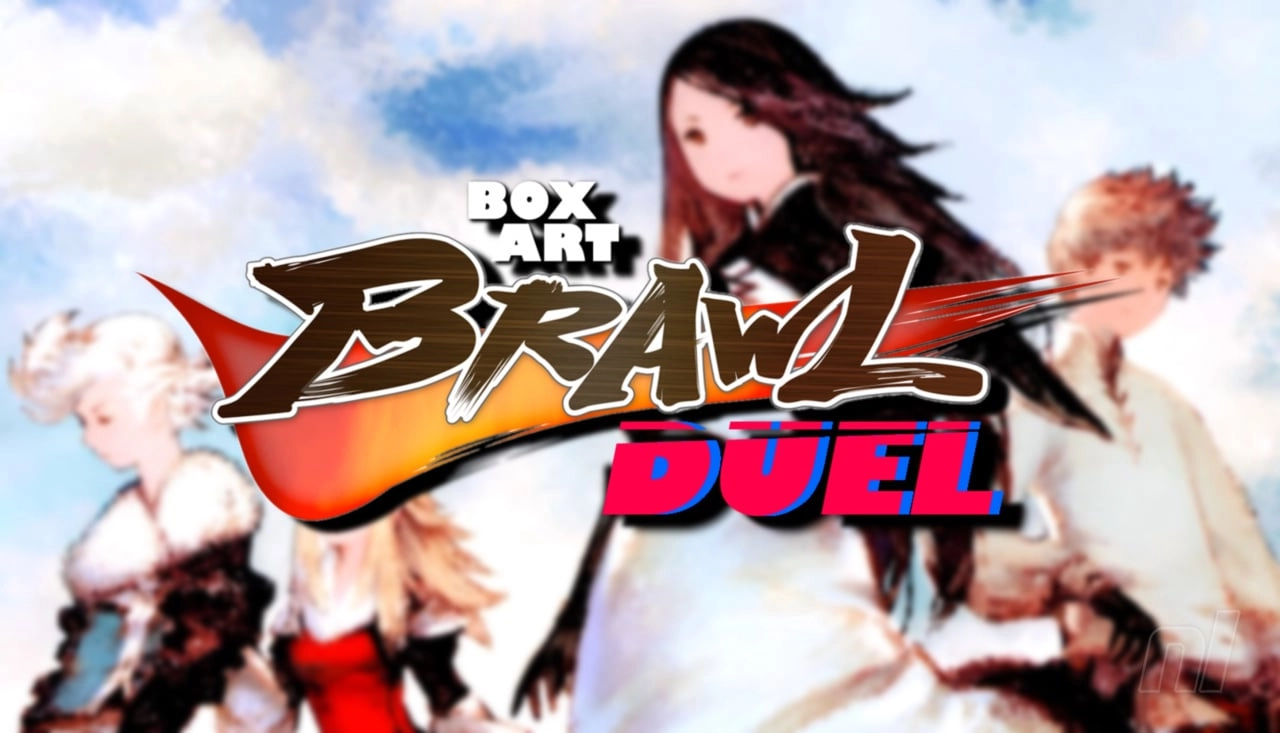
In the gaming world, visuals often play a significant role in drawing players. This concept extends beyond the gameplay and into the packaging itself, as demonstrated by Nintendo Life's unique weekly competition, Box Art Brawl. This event pits different regional box arts of the same game against each other, allowing fans to vote on which design appeals to them the most.
Recently, Bravely Default, a popular RPG game developed by Square Enix, was the focal point of the brawl. First released in Japan as 'Bravely Default: Flying Fairy' in 2012, the game later saw an expanded version titled 'Bravely Default: For the Sequel' in 2013. Intriguingly, the original 'Flying Fairy' title shares its art with the North American version, while 'For the Sequel' links its visuals with Europe's release.
The brawl offers a detailed look at the distinctive designs between the North American/Japanese and European/Japanese versions. The North American variant, similar to Japan's original release, features a simplistic yet profound design—a fairy set against a stark black background, reminiscent of classic Final Fantasy covers which were also products of Square Enix's creativity.
Conversely, the European version, echoing the Japanese 'For the Sequel' design, employs a more vivid approach. This cover displays the main characters of the game positioned on a grassy hill, with the game’s logo neatly placed in the upper left corner, creating a lively and engaging scene.
Nintendo Life's Box Art Brawl does more than just allow gamers to cast their votes; it provides a platform for detailed critique and appreciation of the art that sets the tone for the gaming experience. It's a space where the aesthetics of gaming are celebrated and analyzed, reflecting the cultural preferences that might influence a player's choice in one region over another.
The votes from this particular brawl displayed a nearly balanced split among participants, indicating a divided preference in the game's visual appeal: 44% voted for the more minimalist 'Flying Fairy' (North America) and 56% preferred the vibrant 'For the Sequel' (Europe). This subtle competition not only stirs community engagement but also underscores the diverse tastes among gamers.
Box Art Brawl is not just a fun weekly activity; it serves as a reminder of how global and culturally nuanced the gaming community is. It shows that even before turning on a game console, the first interaction a player has with a game—the cover—can have a lasting impression.
Aside from the weekly brawst, there are always exciting tidbits and upcoming annoucements related to the games featured, such as the producer of Bravely Default hinting at a new announcement expected this year and discussions about possible new entries or ports of older 3DS games from developer Team Asano.
Thus, Box Art Brawl by Nintendo Life plays a crucial role not just in entertaining its audience with an interactive poll, but it serves as an educative feature that highlights the importance of design in gaming culture. Through such comparisons, fans gain a deeper appreciation of the thought and creativity that go into every element of a game, making the gaming experience even richer and more immersive.

You must be logged in to post a comment!
