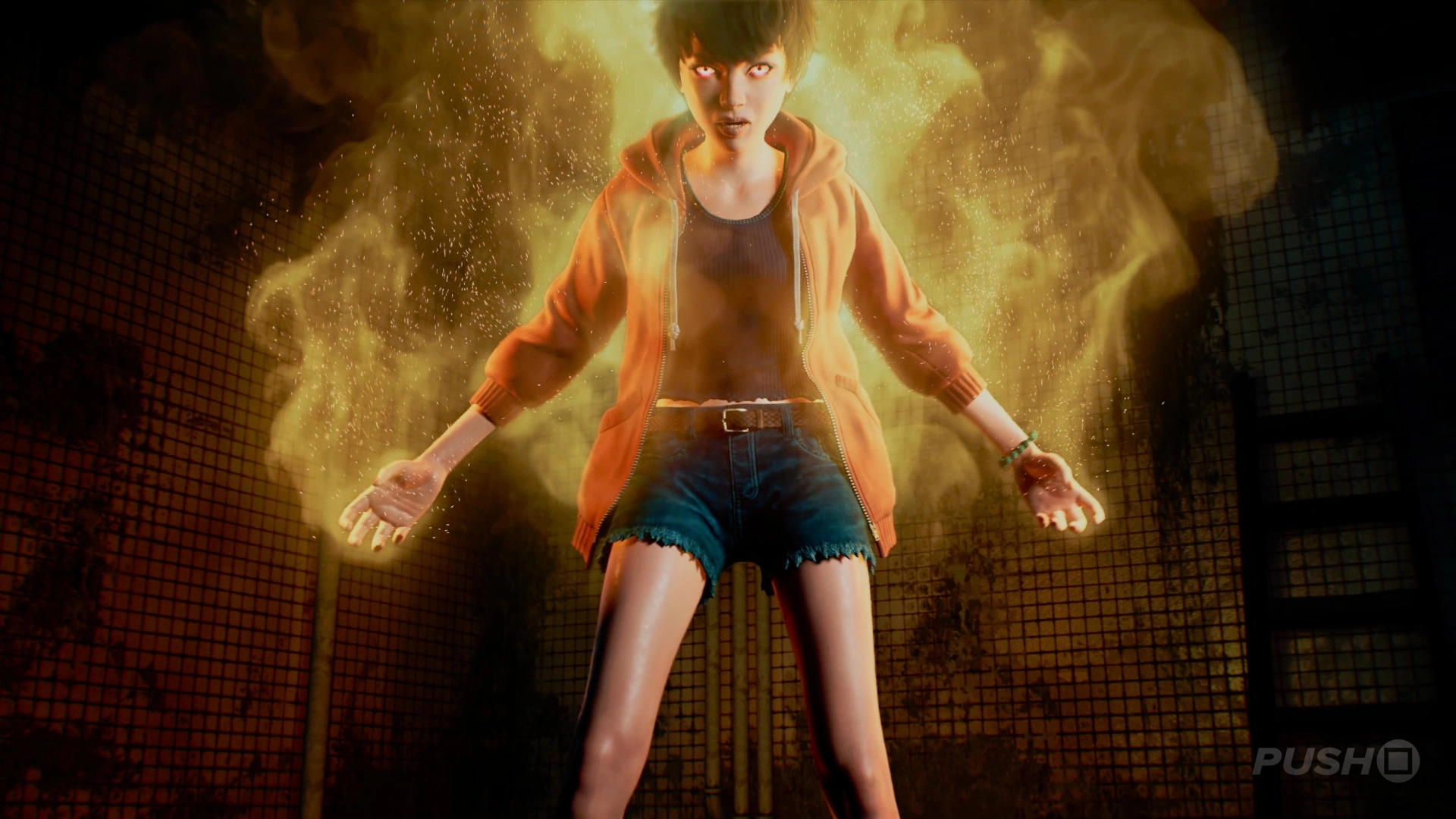
Slitterhead, a new survival horror game directed by Keiichiro Toyama, emerges as a spiritual successor to iconic titles like Siren, Gravity Rush, and Soul Sacrifice. This PlayStation release captures the essence of Sony’s distinctive first-party titles, blending traditional horror elements with innovative gameplay mechanics. While the game does not reach perfection, it stands out for its originality and attempts to push the genre’s boundaries.
The player controls Hyoki, an omnipotent spirit with the ability to possess humans and commandeering their bodies. This ability is pivotal as a mysterious disease has transformed the citizens of a reimagined 1980s Hong Kong into grotesque creatures called Slitterheads. The primary objective of the game is clear: eradicate the Slitterheads. Players navigate through sandbox-style environments that change over the course of several days, discovering the origins of the epidemic and aiming to put an end to it.
One of the central mechanics in Slitterhead is the ability to possess almost anyone encountered within the game. This feature influences how players can traverse the game’s world. For instance, reaching a high rooftop might involve possessing an individual on a balcony and then maneuvering upwards. This system somewhat mimics Gravity Rush’s gameplay, allowing for dynamic movement across buildings and through crowds. There are also chase dynamics that involve rapid body-hopping to maintain pace with a target, and stealth elements requiring careful and strategic possessions to avoid detection. These mechanics are both a curse and a boon as they are bound by numerous limitations set within the gameplay to maintain challenge and structure.
There are particular missions where gameplay may feel restrictive as the necessary characters for possession might be unexpectedly unavailable. This scenario often forces players to adhere rigidly to the pre-designed gameplay paths with limited flexibility for creative problem-solving or experimentation.
Combat in Slitterhead deviates from traditional formats, incorporating the game’s unique possession mechanic. Players encounter special characters known as Rarities, each possessing distinct skills and weapons that are beneficial in battles. These characters can be permanently recruited to the player's roster, allowing for customized team strategies. From a housekeeper wielding bladed oven gloves to a doctor with a giant syringe, choices abound for tactical engagements. The ability to switch between bodies during combat provides tactical advantages and opportunities for strategic alignments that are central to overcoming the game’s challenges.
However, the game does suffer from some technical inconsistencies. The combat feels unrefined at times, and the continual body-hopping required during combat can feel cumbersome. Moreover, the repetition of revisiting earlier levels to uncover necessary Rarities can become tedious. The game integrates visual novel elements to progress the narrative, and while the environmental design is laudable, character models suffer from a lack of detail.
Despite these drawbacks, the game’s artistic direction and soundtrack, composed by the acclaimed Akira Yamaoka, enrich the gaming experience, capturing the eerie and haunting atmosphere of a disease-stricken Hong Kong. Slitterhead might not appeal to all due to its unconventional structure and gameplay, but it remains an inventive addition to the survival horror genre, making it a worthwhile experience for those seeking something different from the norm.

You must be logged in to post a comment!
