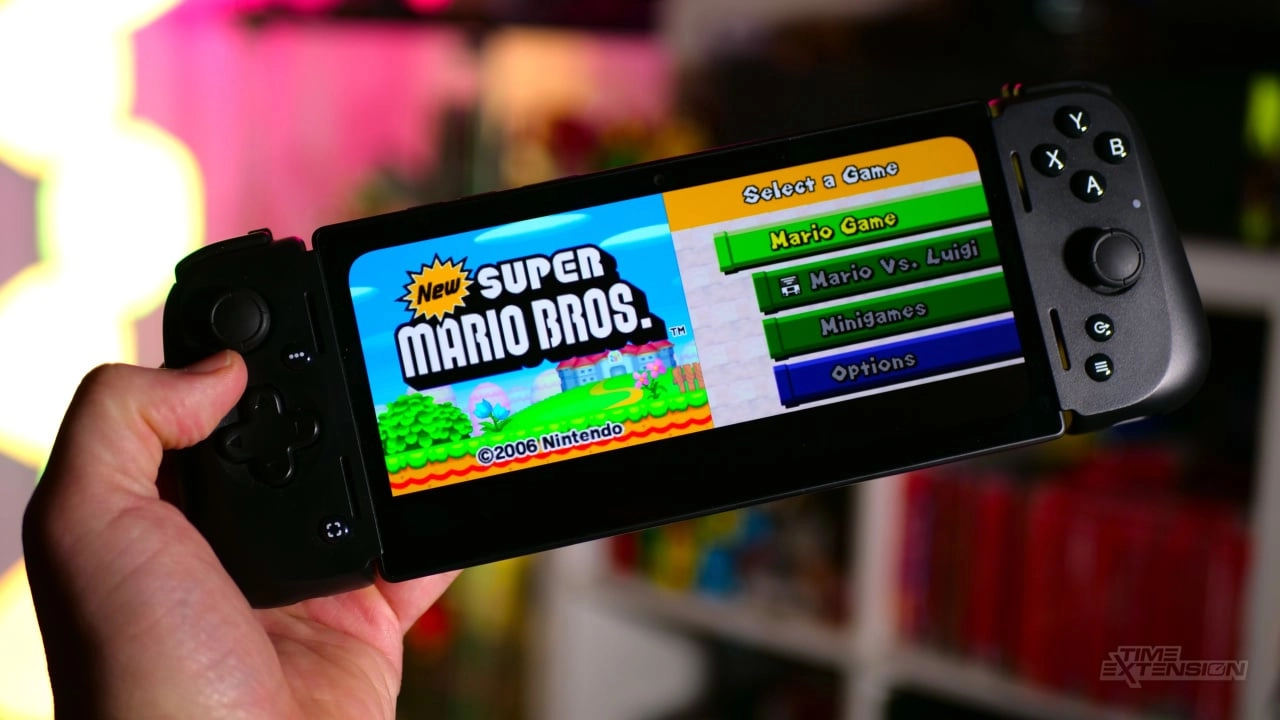
Android-based gaming handhelds have made significant strides in recent years, largely due to the maturity of Google's operating system and advanced hardware capabilities. Among these devices, the Razer Edge, released at the start of 2023 and priced at $399.99, stands out with its unique detachable control setup. This design allows it to function as a small Android tablet when not used for gaming. Despite stiff competition in 2024, the Razer Edge's features from a previous year still merit consideration.
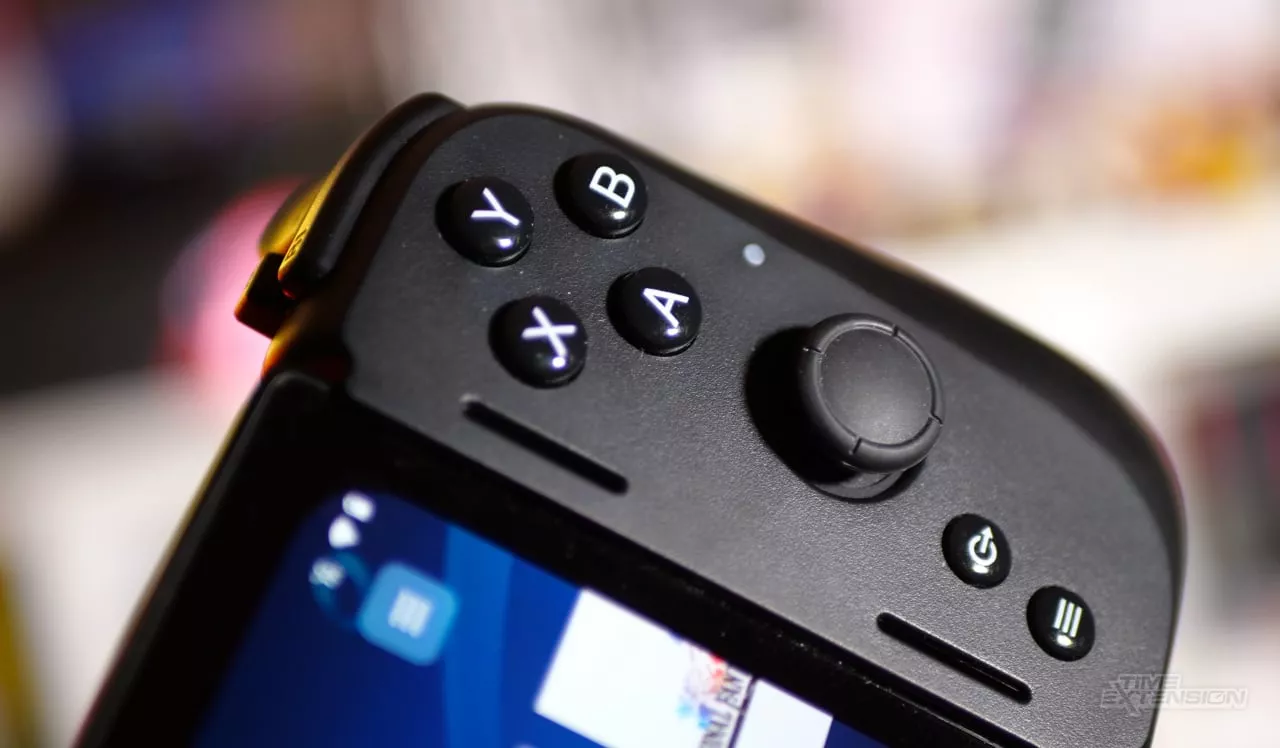
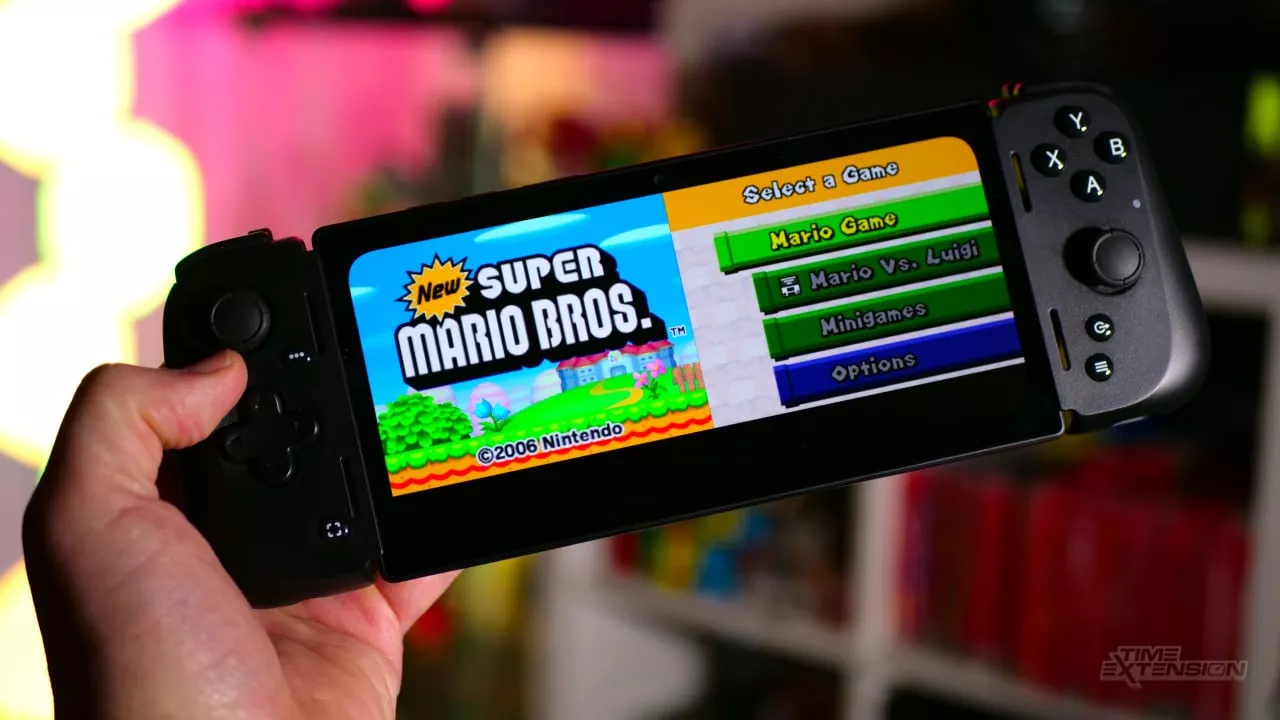
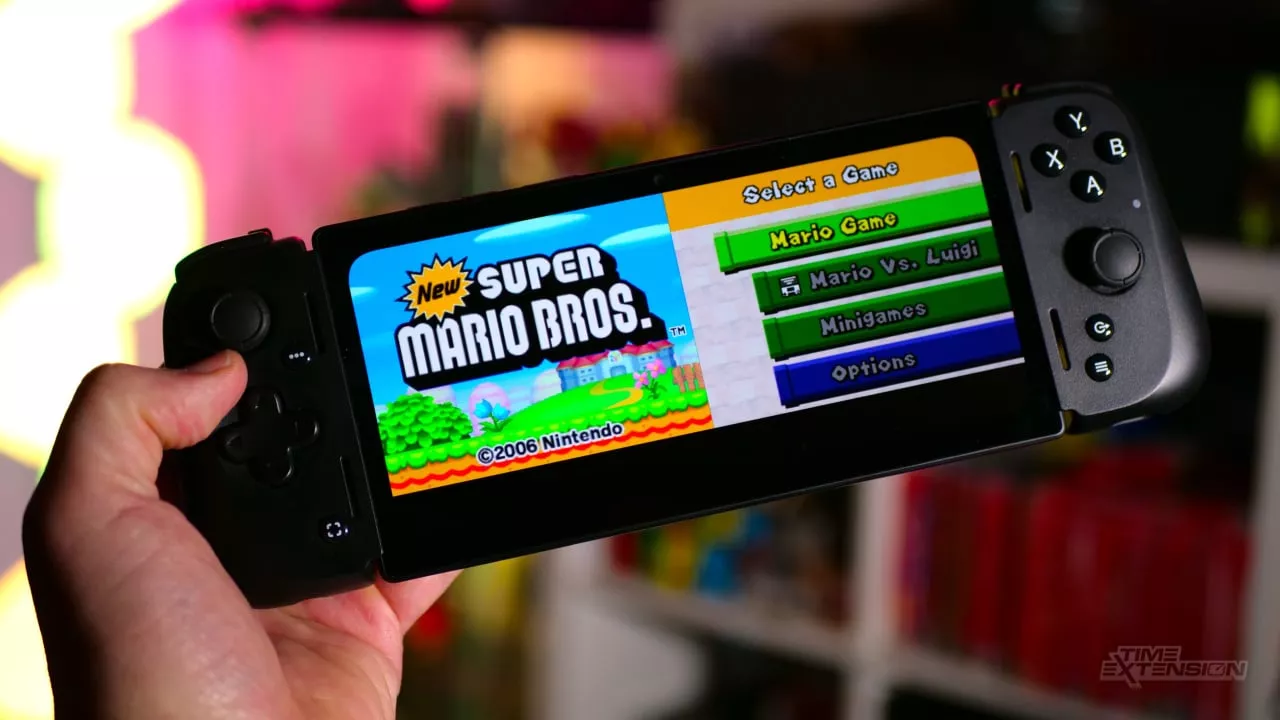
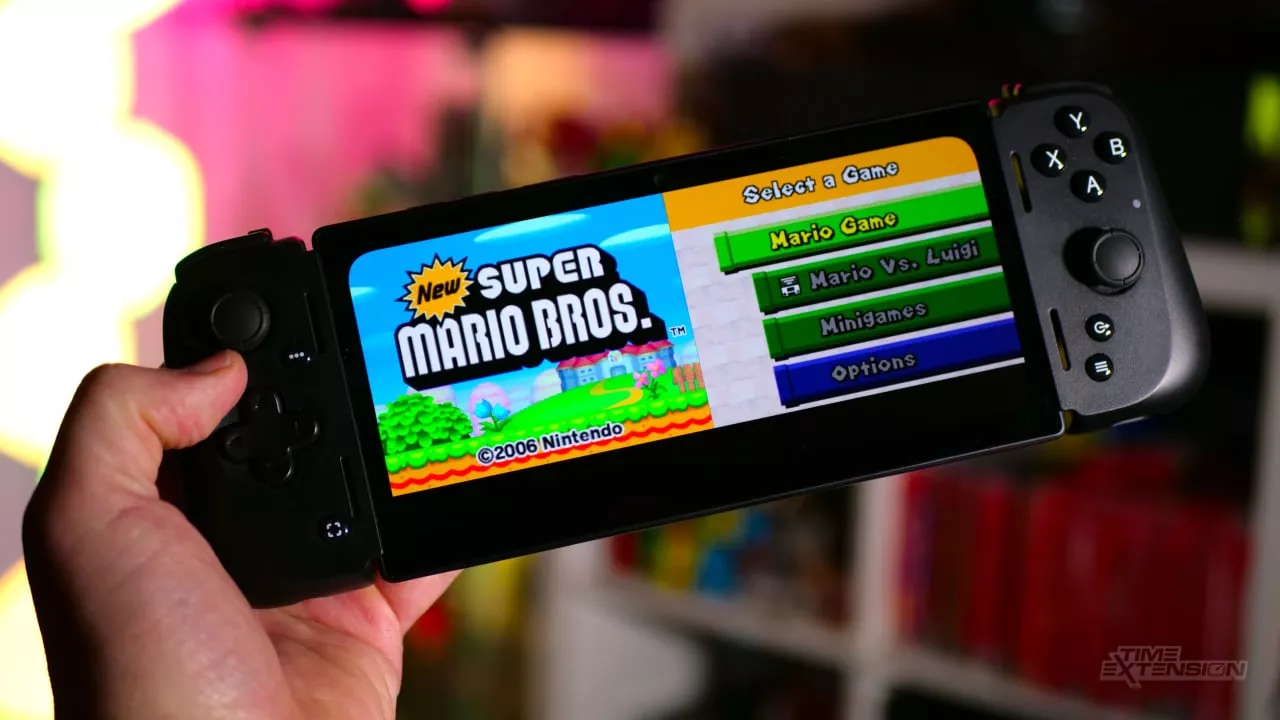
Upon unboxing, the Razer Edge resembles a large smartphone. Its prominent feature is a 6.8-inch AMOLED display, but beneath this exterior lies the Kishi V2 Pro controller. This controller attaches to the Edge via a USB-C connection and a spring-loaded mechanism, transforming the device into a formidable Android gaming system with excellent physical controls. The Kishi V2 Pro is noted for its responsive buttons, satisfyingly tactile (though slightly noisy) D-pad, dual analog sticks, and a range of shoulder buttons. However, the overall assembly does not feel as sturdy as traditional handheld consoles, with noticeable movement despite the tight grip.
The process of attaching or detaching the Razer Edge from the Kishi V2 Pro controller can be less than smooth, often feeling cramped and risking damage to the USB-C connector. Despite this, the flexibility offered by the detachable controller allows the device to be used as a regular tablet, enhancing its appeal for users who value multipurpose gadgets.
The display of the Razer Edge is a strong point. The 6.8-inch, 1080p AMOLED panel features a 144Hz refresh rate, significantly higher than most competing devices. However, its 20:9 aspect ratio and rounded corners may not utilize the screen's real estate effectively for gaming. Nonetheless, the display excels in brightness, vibrancy, and contrast, delivering a superior viewing experience compared to devices like the AYANEO Pocket S.
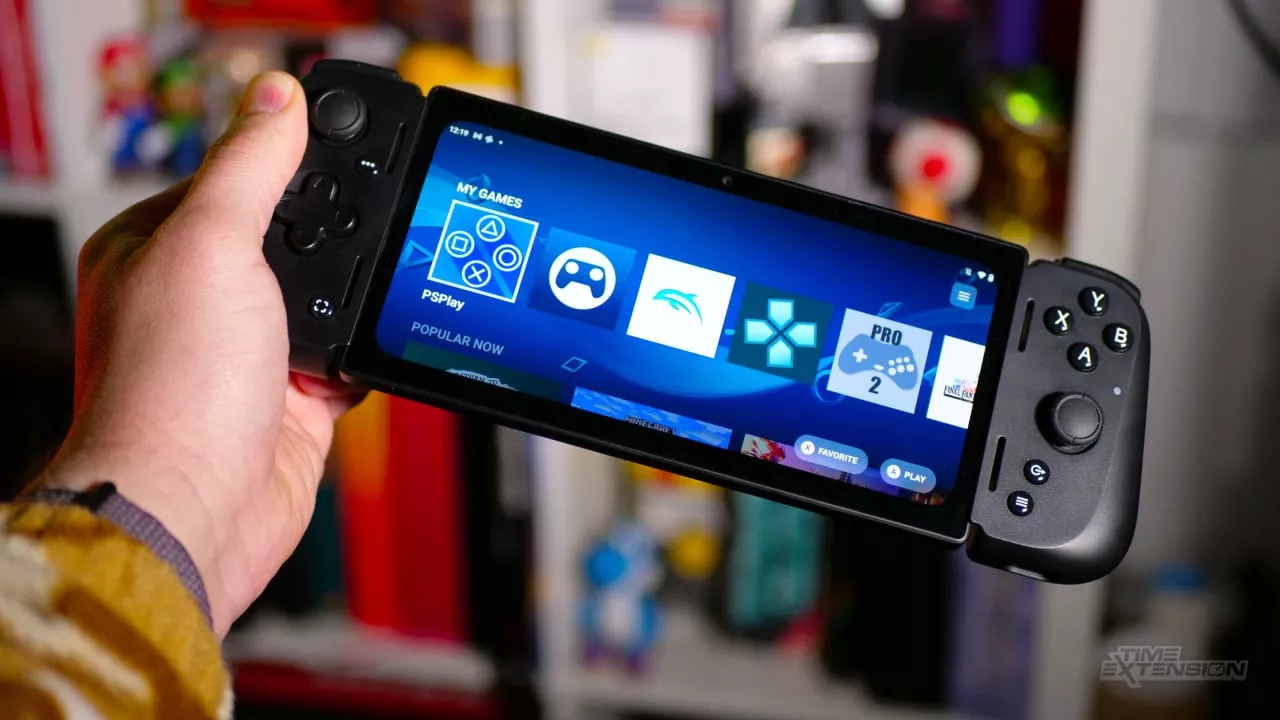
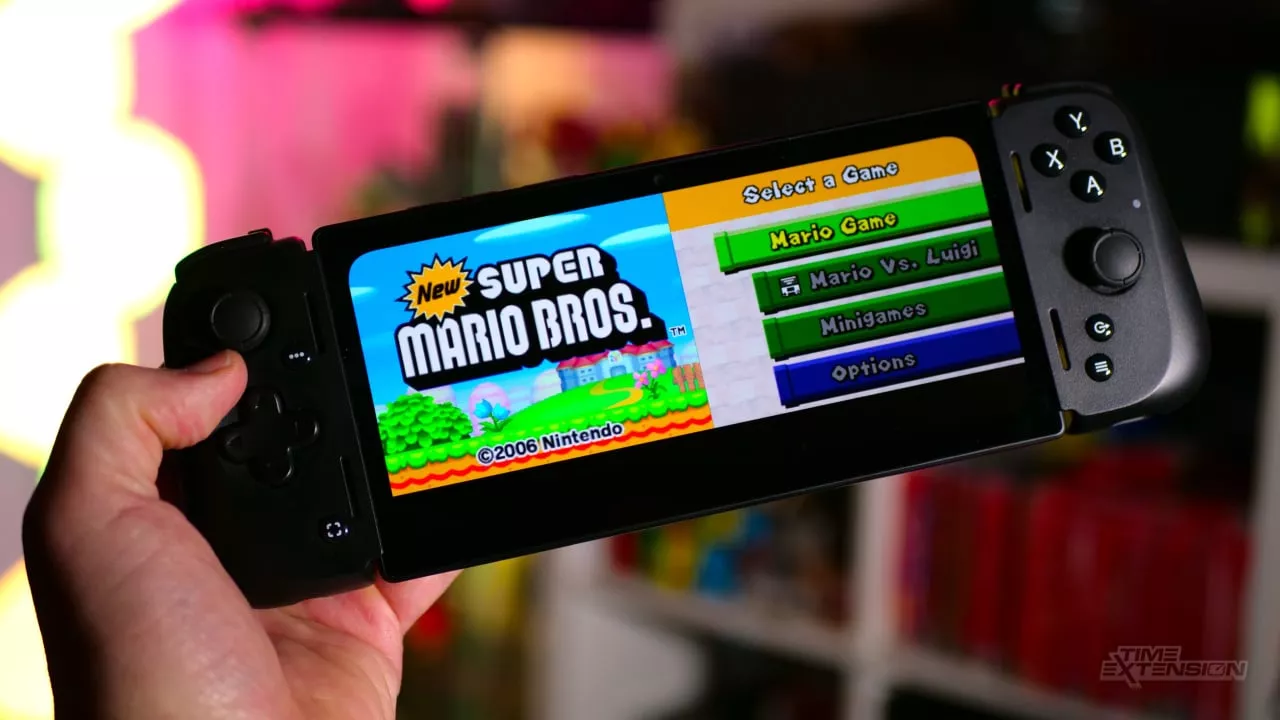
In terms of software, the Razer Edge runs Android 13 and functions like a typical smartphone or tablet when not used for gaming. It includes the Razer Nexus app, which serves as a centralized hub for gaming, although it's optional for those preferring the standard Android interface. Performance-wise, the device is powerful enough to handle any native Android game and serves well for retro emulation of older gaming systems like the GameCube, Wii, PS2, and Dreamcast.
The Razer Edge also promotes its capability for game streaming using services like Xbox Cloud Gaming, Steam Link, Nvidia GeForce Now, and PS Remote Play, taking full advantage of its dedicated controls, which significantly enhance the gaming experience over standard touchscreen inputs. Two versions are available: a WiFi-only model and a slightly more expensive 5G variant that accepts a SIM card for mobile network connectivity.
Despite being slightly outdated due to the rapid advancement of technology in the gaming sector, the Razer Edge holds its ground in processing power. While newer devices have started to incorporate upgraded versions of the Snapdragon G3X chip, the Edge's first-gen version still performs admirably. The device also impresses with its audio capabilities and the premium feel of the bundled Kishi V2 Pro controller. However, the somewhat fragile connection between the controller and the tablet does not instill confidence for robust portable gaming.
Priced originally at $400, the Razer Edge might seem less appealing without discounts, given its few design flaws and fierce competition. Nonetheless, for gamers who seek a powerful Android gaming solution with a high-quality screen and capable hardware, the Razer Edge could be a worthwhile choice. Despite some design quirks and challenges, its versatility and performance offer significant benefits, making it a solid albeit slightly blunt tool in the arsenal of modern handheld gaming devices.

You must be logged in to post a comment!
