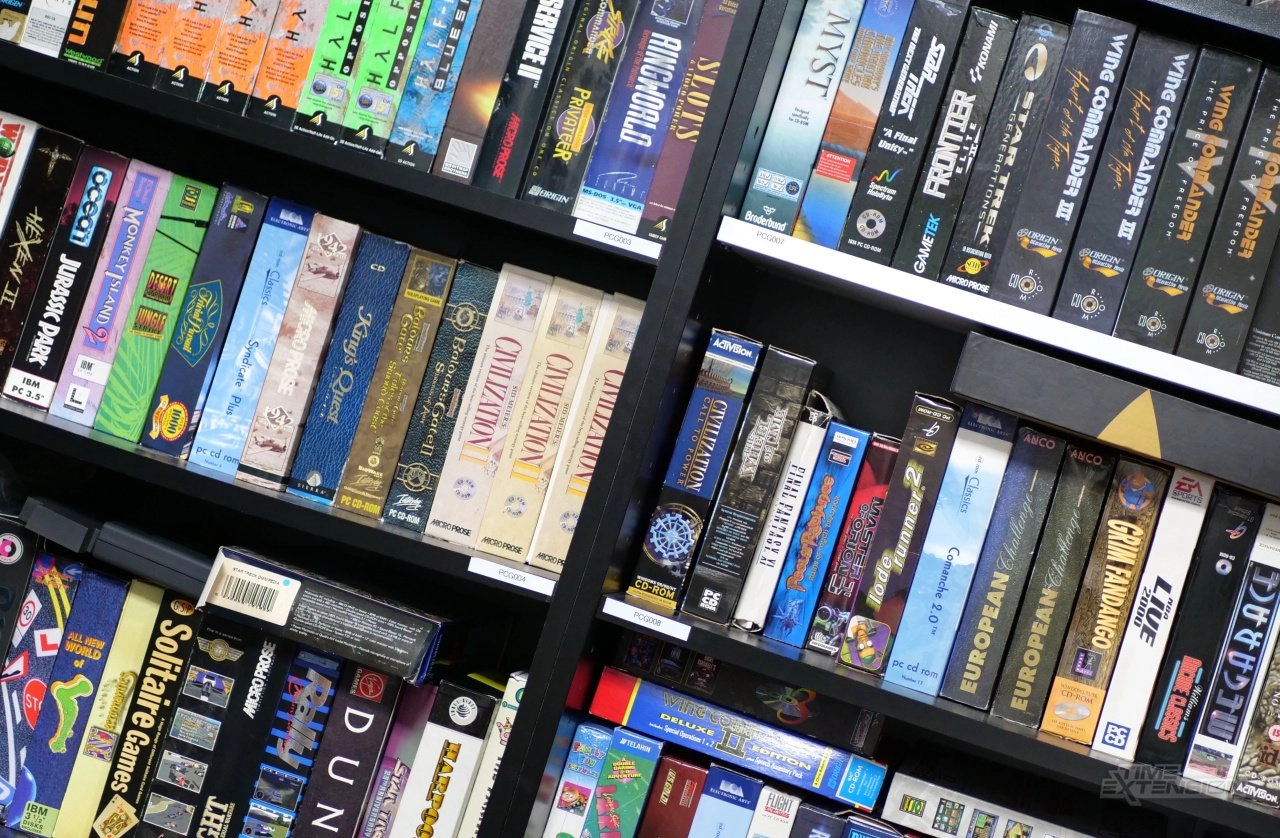
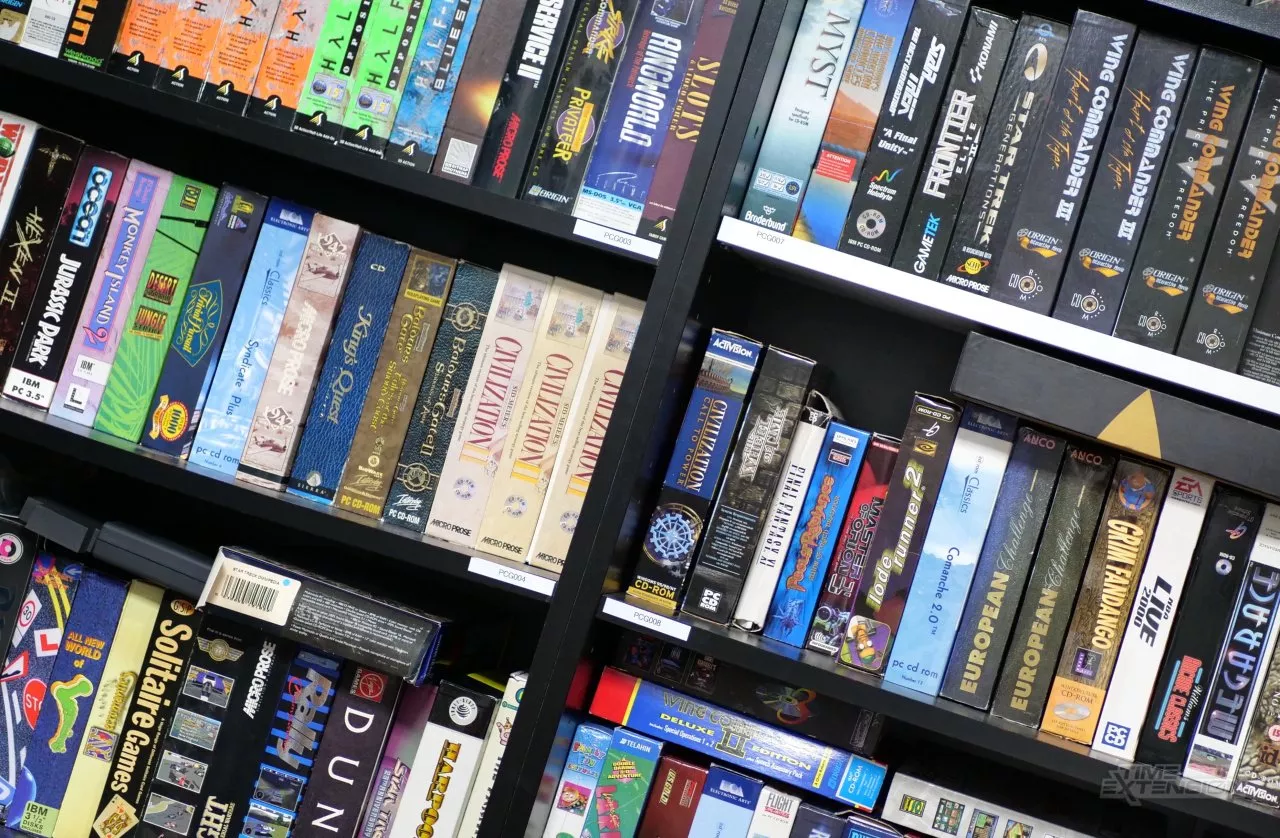
In the swiftly evolving digital world, preserving physical history, especially in the world of gaming, has become a race against time. The tangible elements of gaming, such as floppy disks, CDs, and even hard drives, are prone to degradation, necessitating the preservation of the content before it's too late. However, there's an aspect of gaming heritage that goes beyond the games themselves—the boxes they originally came in, the artwork, the manuals, the tangible excitement of new game acquisitions.
Ernst Krogtoft, the brain behind Retro365, a blog dedicated to the history and preservation of big box games, warmly recalls his drive to create an online space that not only tells the tale of classic games but also pays homage to the industry pioneers. His collection and posts attract thousands of enthusiasts monthly, and his detailed articles can take an extensive amount of time to research and produce, sometimes several months or years. Krogtoft's dedication to documenting not just the mainstream titles but also the obscure, lesser-known games demonstrates his commitment to recording gaming history in its full breadth.
Meanwhile, Benjamin Wimmer's journey into the world of big box collection started in his childhood but took a more serious turn in 2015. Fascinated by a physical release of a Commodore 64 game, Wimmer began exploring classified ads in search of these game-box treasures. His collection, ever-growing and meticulously documented on his website Big Box Collection, now offers visitors the chance to interact with scanned 3D digital versions of the boxes, inspecting them from all angles.
Wimmer's approach to collecting is driven by the thrill of the hunt rather than the prospect of keeping games sealed or reselling them for profit. He imposes a rule upon himself—never spend more than 10 Euros for a game, an example of his patience and collecting philosophy. His current collection, amassed with care and diligence, now exceeds a few hundred games, each one representing a piece of gaming history that he is eager to share rather than capitalize on.
On the technological forefront, Michel Mohr is developing an application targeting the preservation of big box games in a unique 3D format. The app, currently in beta, will allow collectors to create a digital model of their boxes by simply snapping photos from different angles. This creates a more immersive experience, akin to holding the box in your hands, a detail often overlooked by other archival projects where a flat photo does not do justice to the original packaging. Mohr emphasizes the diverse nature of these boxes, reflecting the lack of standardization in computer game releases compared to console games.
Mohr's ambition doesn't stop there; his prototype app aims not only to catalog collections but to build a vibrant community where enthusiasts can trade, discuss, and share their passion for these relics of gaming history. A virtual museum in mixed reality, complete with guided tours and voice commentary, could elevate the collector's personal shrine into an interactive exhibit for all to enjoy.
It is evident that the commitment of Krogtoft, Wimmer, and Mohr, along with the support from the community they are fostering, is vital not only in preserving the physical artifacts of gaming's golden era but also in reviving the full sensory experience that came with purchasing a new game in its big box glory. While companies often focus on safeguarding the games' digital aspects, these dedicated fans have stepped in to fill a gap—ensuring that the artwork, manuals, and boxes aren't lost to time or digital simplification. Their efforts are emblematic of a broader movement to honor the history of gaming, not simply as a collection of code and pixels but as a richly layered cultural tapestry that deserves to be cherished and explored for generations to come.
This phenomenon isn't restricted to personal projects and websites. As advancements in technology continue to support and enhance these initiatives, the hope is that more synergies between collectors, historians, and tech enthusiasts will lead to even more robust preservation strategies, blending the physical and digital realms to ensure that the full spectrum of gaming culture is kept alive. Through virtual reality and online communities, the nostalgia and sense of discovery that once came from a new game box can be shared and celebrated, allowing future enthusiasts to glimpse into a past where each game was a treasure waiting to be unpacked.

You must be logged in to post a comment!
