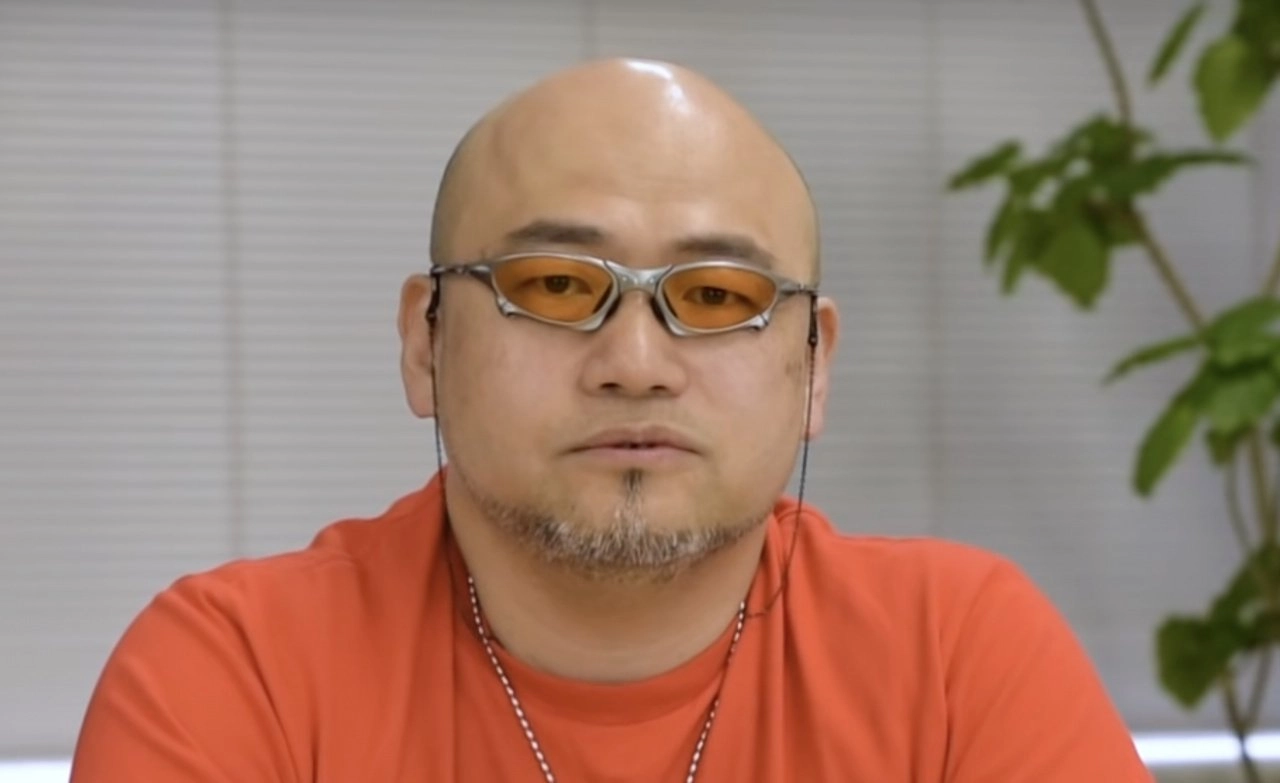
Earlier this year, the gaming industry buzzed with news about Hideki Kamiya's unexpected departure from PlatinumGames, a company renowned for its distinct and creative titles, like "Bayonetta" and "Nier: Automata". Kamiya, known for his outspoken personality and unique vision for game design, took to IGN recently to shed more light on his reasons for leaving the company he helped co-found.
The core reason Kamiya cites for his exit from PlatinumGames is a fundamental misalignment between his values as a game creator and the trajectory the company was taking. He explained that his work at the company was rooted in a mutual trust and once that started to erode, his position there became untenable. Kamiya believes in treating games as works of art rather than mere products, emphasising the need to infuse personal artistry into game creation. This philosophy appears to have diverged from the approach PlatinumGames was progressing towards.
Kamiya, seeking to create games that bear his distinctive mark and that players can recognize as uniquely his own, chose to leave PlatinumGames. It was a move that not only illustrates his dedication to artistic freedom but also a bold step towards maintaining his integrity as a developer. His decision was not made lightly; before announcing his departure, Kamiya spoke to his entire team, offering individual discussions about his choice. These conversations varied in emotional intensity—some colleagues were supportive, others crestfallen, while some criticised his decision as irresponsible.
Despite his departure, Kamiya’s influence at PlatinumGames remains strong. He mentions that some team members initially joined the company specifically to work alongside him, which highlights the impact and respect he commands within the industry.
The upcoming public conversation with Shinji Mikami—set for December 16th, 2023, and involving Kamiya’s friend and former mentor—has also sparked interest in the gaming community. While such interactions between the two legends have occurred privately, this will be the first time they engage in a public dialog. The anticipation around this event speaks volumes about the stature of both creators and the respect they hold amongst gamers and industry professionals alike.
Although fans may harbor hopes of a collaboration between Kamiya and Mikami, for the moment, Kamiya downplays these prospects with a touch of humor, noting his current status as "just an unemployed person" and dispelling any immediate assumptions of upcoming projects.
Looking forward, it's unclear what the future holds for Kamiya. The gaming world is watching intently to see where his creative spirit will take him next. Will he start his own studio, where the purity of his gaming art can flourish? Or might he join another team where his vision and trademark style will be embraced and supported? These questions remain unanswered, but one thing is certain—whatever path he chooses, the gameworld expects that it will bear the unmistakable signature of Hideki Kamiya.
This development reignites conversations about the evolving nature of the video game industry, where commercial leanings sometimes clash with creative inspirations. As studios grow and market pressures loom, the balance between artistic expression and product success can become increasingly difficult to maintain.
In the end, Kamiya's legacy at PlatinumGames is indelible, and his departure marks the end of an era for the company. For many gamers, PlatinumGames is synonymous with Kamiya's inventive style. Likewise, his future endeavors will be watched with eagerness by those who appreciate his dedication to gaming as an art form. Whatever the next chapter holds, the story of Hideki Kamiya will continue to inspire and drive conversations about the nature and direction of video game development for years to come.

You must be logged in to post a comment!
