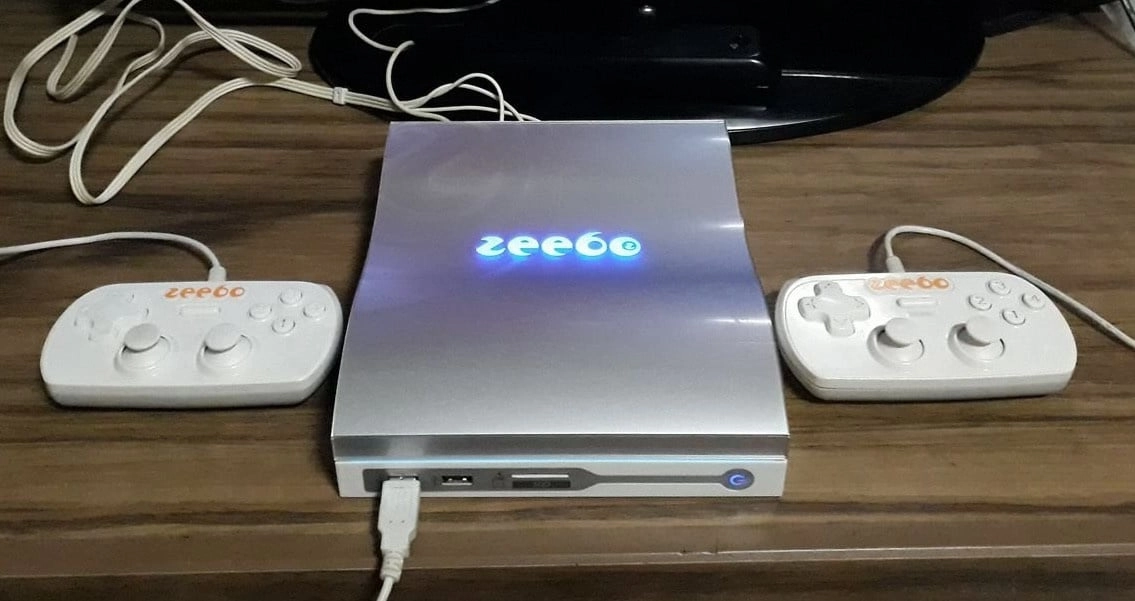
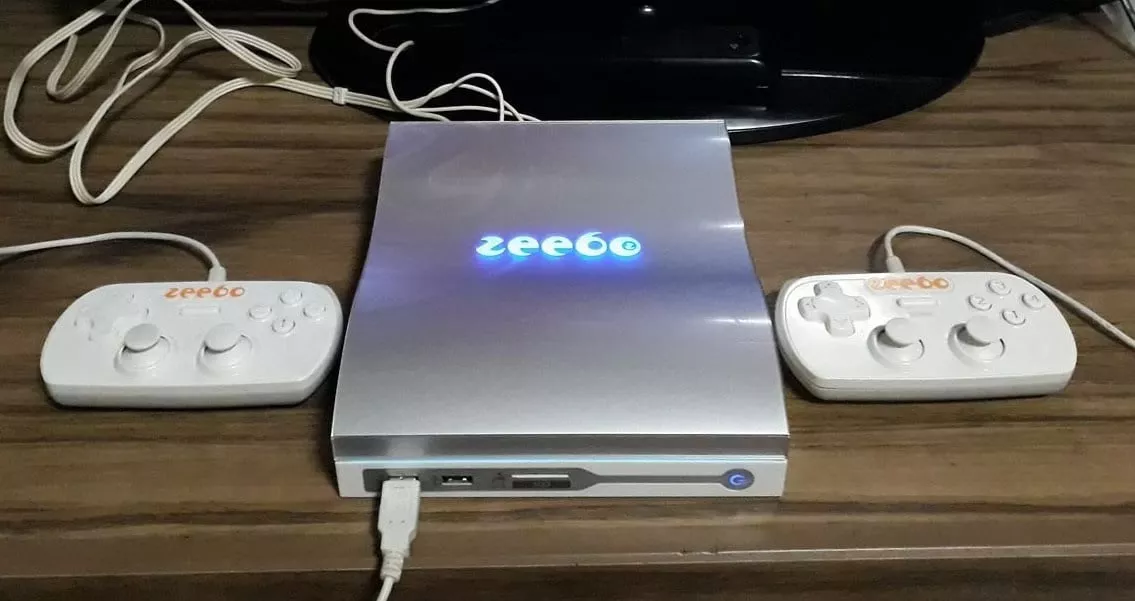
The Zeebo console, a product of Tectoy Digital, may not be widely recognized outside of Brazil, especially when compared to its more famous ventures connected to Sega. However, it remains a significant piece of video game history, particularly within Brazil. The History of Games 2024 conference highlighted the Zeebo's unique story, with Dr. Bruno De Paula leading the insight, enriched by his background as a former Tectoy Digital employee.
Dr. De Paula's connection to Tectoin didn't only come from his previous employment, where he climbed from QA to game design before venturing into academia; it came from a deep-rooted passion for the gaming industry that started with his days at Tectoy. His talk at the conference served as a detailed exposition on his former company and its creations, particularly focusing on the Zeeoj console. He emphasized his ongoing efforts to reach out to former colleagues to capture the company's essence through interviews and detailed documentations—a task he views as critical given that most English language coverage of the company, such as that by Sega-16 and Retro Gamer magazine, has been external.
The Zeebo console was an ambitious attempt by Tectoy to merge mobile technology with home gaming systems. Its core technology was akin to a mobile phone, integrated within a console format, a pioneering move when it was developed in the mid-2000s. This partnership with Qualcomm aimed to explore new possibilities in gaming, including leveraging a 3G network to handle game distributions entirely digitally—an innovative approach to combat piracy and reduce logistic costs.
Interestingly, the Zeebo was not geared towards the typical gaming market which chased graphical prowess and extensive libraries but was rather positioned as an entry-level device aimed at providing affordable gaming for children in low-income families in Brazil. This strategic placement highlights the cultural and economic considerations that shaped Tectoy's market approach, distinguishing it in the global gaming landscape.
The Zeebo's games were exclusively distributed through its network, bypassing traditional retail to provide content directly to the console through its 3G connection. This method, while inventive, posed unique challenges in preservation, especially as digital distribution can lead to potential losses of software and cultural history if the physical hardware ceases to function or the company stops supporting older platforms.
Dr. De Paula, in his talk, didn't shy away from discussing the technical and cultural hurdles in preserving the Zeebo's legacy. He mentioned the efforts by the gaming community, including enthusiasts and former employees, to emulate the console’s games, ensuring they remain accessible despite the original platform's discontinuation. One such breakthrough in emulation was particularly celebrated, as it ensured that even games that had not been widely released—or in some cases, officially launched—could still be experienced by gamers worldwide.
The future of the Zeebo's legacy seems to be in capable hands, as researchers and hobbyists alike show keen interest in not just maintaining but actively promoting the platform’s historical significance. The emulation breakthroughs discussed by Dr. De Paula ensure that the console's unique position in gaming history is not lost to time.
Moreover, the informal environment of the conference allowed deeper discussions among attendees about the implications of digital preservation and the cultural impact of such endeavors. Discussions spilled over into lunches and breaks, revealing personal anecdotes and shared challenges among those who had connections to Tectoy and the broader gaming industry in South America.
The ongoing effort to document and preserve Tectoy Digital's heritage, especially that of the Zeebo console, underscores a broader movement within the gaming community to recognize and safeguard the digital art and technology that have shaped cultural trends and technological advancements globally. Dr. De Paula’s initiative not only enriches our understanding of a less-known chapter of gaming history but also exemplifies the vital role insiders can play in preserving the digital legacies of the gaming world. Through academic research, community cooperation, and technological innovation, the story of Tectoy and the Zeebo will continue to inspire and inform future generations about the dynamic intersections of culture, technology, and entertainment in Brazil.

You must be logged in to post a comment!