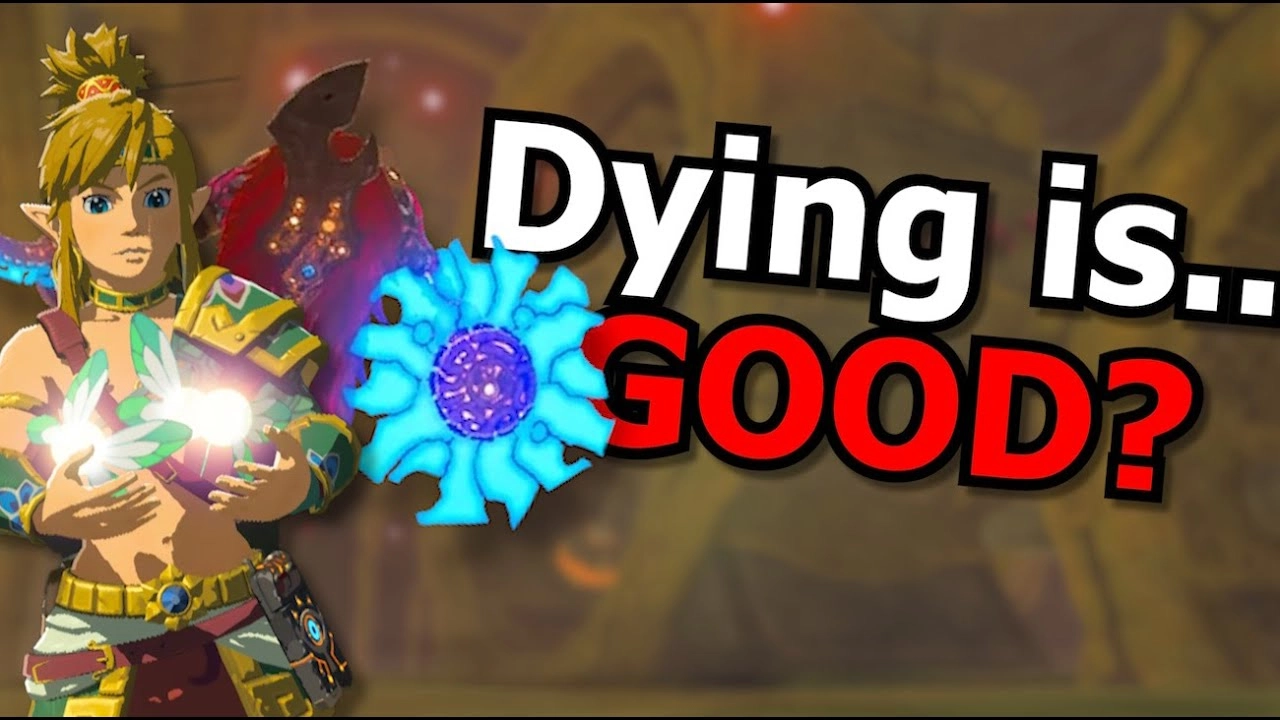
Breath of the Wild, a flagship title from Nintendo, continues to amaze its fan base even years after its initial release, with its depth and the intricacies of its gameplay. Recently, more layers have been unveiled, particularly concerning its downloadable content (DLC), The Champions' Ballad. This information, brought to light by the YouTube channel Gaming Reinvented, illustrates how the game's difficulty adapts during the Blight boss fights, making each attempt progressively easier for players who struggle.
These Blight battles form a core component of the DLC, presenting players with significant challenges. Interestingly, the game introduces a form of leniency through a dynamic difficulty adjustment system. This system is not about weakening the bosses themselves but about providing players with additional help each time they fail a fight.
The mechanism of this adaptive difficulty is relatively straightforward yet ingenious. When a player continuously fails at the same Blight, the game offers a subtly increasing level of assistance. For instance, if a player is defeated three times by the same Blight, Link, the game's protagonist, will start the next attempt with a Fairy in his inventory. Fairies in Breath of the Wild can revive Link upon his death, giving players a second chance without restarting the battle.
If the player continues to face difficulties and loses three more times, making it a total of six defeats, the game generously provides a specially crafted meal and an elixir tailored to counteract the specific Blight's abilities. This thoughtful detail not only helps in reducing the battle's difficulty but also educates players about the effective use of the game’s culinary and brewing systems to tackle difficult scenarios.
Surprisingly, the game counts not only deaths but also entries into the battle. This means that players can trigger these helpful interventions by simply entering the fight and leaving, without necessarily facing a defeat. This aspect of the game's design reveals an underlying principle of encouraging experimentation and learning through repeated attempts, rather than purely penalizing failure.
This revelation sheds light on the game's considerate design, aimed at balancing challenge with accessibility. Such features ensure that all types of players, from the most skilled to those less adept at combat, can enjoy and complete the full story of the DLC, experiencing the development arcs of its beloved characters.
Besides the practical implications for gameplay, this discovery speaks volumes about the ongoing relationship between players and the world of Hyrule. Even after years of exploration, the community continues to uncover new secrets and share them, maintaining a vibrant discourse around the game. This sustained engagement is testimony to the game’s design quality and depth, which embed layers of undiscovered content, waiting to be unveiled by the most dedicated players.
The gaming community's response to such discoveries is always mixed with surprise and admiration for the game developers' foresight and attention to detail. It’s a reminder that video games are complex pieces of art, capable of providing not just entertainment but also new insights and learning through interactive experiences.
These new insights into the Champions' Ballad DLC not only enrich the players' understanding and strategies but also potentially extend the life of the game itself, as players return to experience these nuances firsthand. It reinforces the notion that The Legend of Zelda: Breath of the Wild and its DLC are not just static experiences but evolving adventures that continue to challenge and reward the player community.
