
In the ever-evolving world of video games, there is a constant race against time to preserve the classics of yesteryear. This is particularly true for games stored on formats that are no longer in production, like LaserDiscs. In a bid to save a part of gaming history from being forever lost, the Japanese Game Preservation Society (GPS) has taken significant steps to archive LaserDisc games.
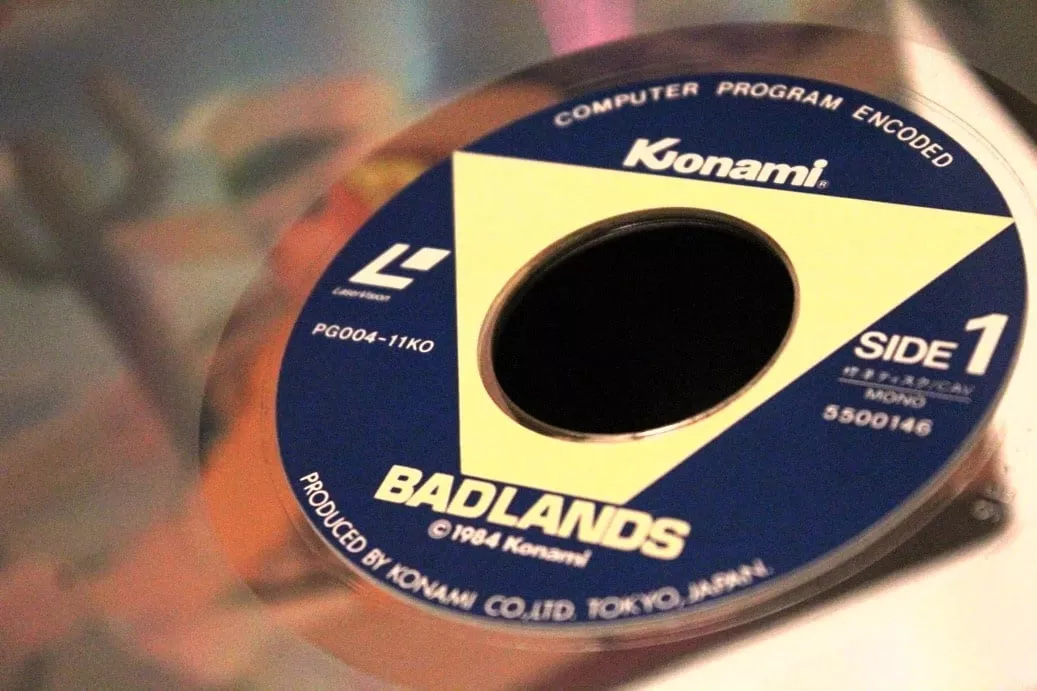
LaserDisc, though less widely known than formats like CD and DVD, played an important role in gaming history. It served as a medium for interactive movies and games, offering unique experiences that blended film and gameplay. Titles such as "Dragon's Lair" and "Road Avenger" were notable examples of the LaserDisc contribution to gaming, introducing players to a different type of interactive medium.
The challenge with preserving LaserDisc games is manifold. Firstly, the equipment needed to play these games has become rare and expensive, meaning that few people can actually experience the games as they were meant to be played. The Pioneer LaserActive console, for example, requires not just the console itself but also additional add-ons and the game, which can be exceedingly pricey to source. Additionally, the physical media themselves are susceptible to deterioration over time which threatens the continued existence of the games themselves.
After two years of conducting thorough research into the best methods for data preservation, the GPS has embraced the use of the Domesday86 Project device. This device, alongside its applications, can capture and archive all the data contained in LaserDiscs—including the video, audio, and game data.
Capturing the complete dataset of a single disc is not an easy task, and is a testament to the commitment of the GPS in its quest to safeguard these relics of gaming history. Each LaserDisc the organization has worked on so far has amassed a startling 8 terabytes of raw data. This data can then be processed using the LD-decode application to extract not only the video but any embedded digital data and audio tracks.
One immense hurdle in this project is the preservation of LaserActive-specific games. Because their program data is stored in the PCM data track of the discs, special techniques are required to read and archive them. This is particularly critical given that LaserActive titles had a range of unique and exclusive games that didn’t have ports to other systems or subsequent re-releases.
The age of LaserDiscs and associated hardware—some over 40 years old—raises the urgency of this preservation work. It’s an exciting development that, once a LaserDisc game is archived, there’s no longer a risk of it being completely lost to time. Scholars, historians, and gaming enthusiasts alike can then conduct further research or develop emulation techniques at their leisure.
The scope of the preservation work extends beyond just the technical aspects. It requires investment in obtaining rare and expensive equipment, which the GPS has actively pursued. However, true to the scale and spirit of their mission, they acknowledge that international cooperation is vital. The organization aims to source multiple copies of these rare games, merge them, and thus secure a high-quality backup. To achieve such a feat, they are opening their techniques to be accessible open-source, hoping that other organizations and individuals worldwide will join them in their cause.
The GPS's work underlines the significance of preserving gaming history, not just for nostalgia’s sake, but to ensure that the roots and evolution of gaming culture remain accessible and understandable for future generations. They are not just archiving software but saving an experience of an era, and the unique ways in which stories and challenges were presented to players.
As technologies evolve and old formats become obsolete, the effort to hold on to the past takes on a new meaning. This remarkable initiative by the Japanese Game Preservation Society is one step in the long journey to safeguard gaming’s heritage. It serves as a compelling call to action for the international community to come together to protect these artifacts before they disappear, tarnished by the relentless march of time and progress. Through collaboration and shared passion, the quintessential chapters of gaming's past may yet be written into the future's digital libraries.




You must be logged in to post a comment!
