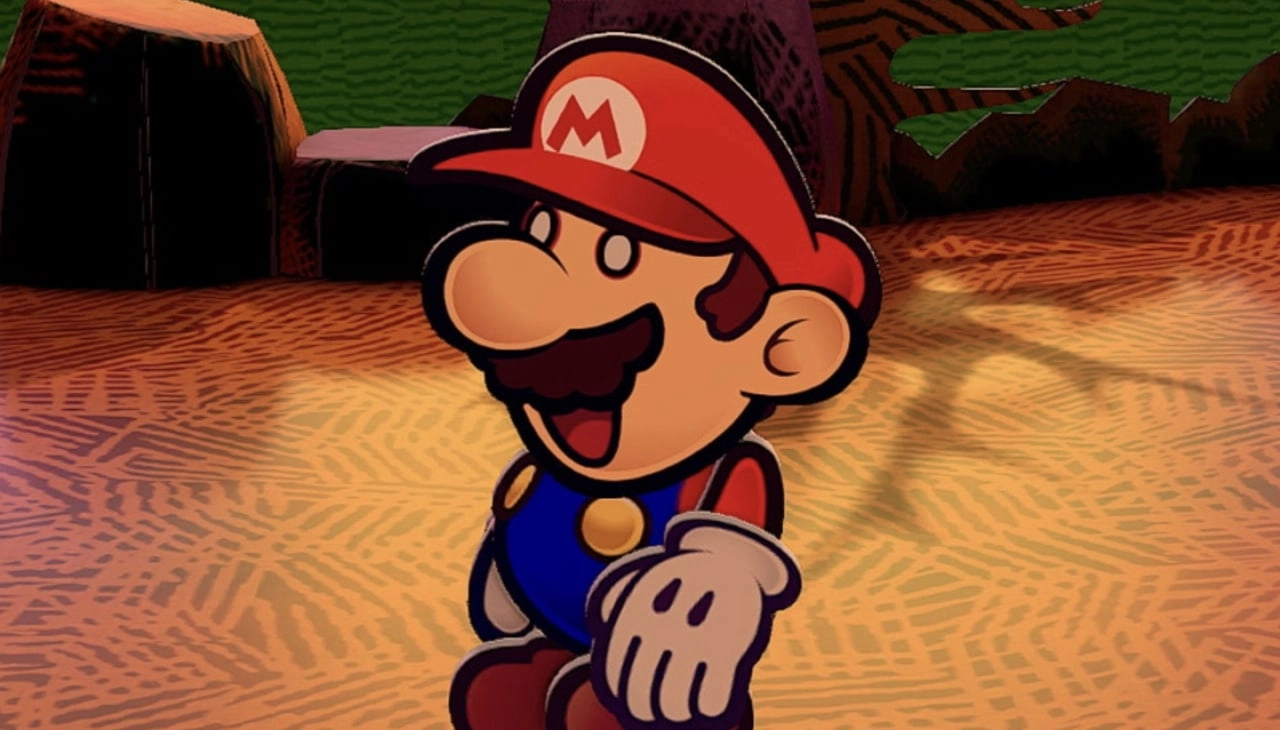
In the latest update from the Japanese video game market, an interesting trend has surfaced, putting the spotlight back on classic gaming experiences. According to recent sales data provided by Famitsu, Paper Mario: The Thousand-Year Door, a remake of the beloved GameCube title, has taken the lead in game sales, surpassing its more contemporary sequel, Paper Mario: The Origami King.
This revival of Paper Mario: The Thousand-Year Door managed to sell an impressive 115,649 copies soon after its release. In comparison, when Paper Mario: The Origami King was released back in July 2020, it had recorded sales of 109,092 copies. This suggests a strong nostalgic appeal and quality reception for the remake, beating its newer counterpart by a margin of 6,557 copies.
The performance of Paper Mario: The Thousand-Year Door is particularly significant in the context of modern gaming trends. The shift towards digital purchases has been noticeable over the years, yet the game's physical boxed sales have shown robust numbers, indicating a strong demand among consumers for tangible copies, especially in the Japanese market where physical sales are a crucial metric.
Another title that continues to make its presence felt is Stellar Blade, which is the only PlayStation 5 game that has maintained its position in the top ten sales chart, though it saw a slight decline, moving from first to sixth place over the week. Despite this slip, the sales numbers remain encouraging for Sony, marking a successful penetration into the otherwise Nintendo-dominated chart.
The overall video game hardware sales figures present another interesting angle to the vibrant Japanese gaming scene. The Nintendo Switch, particularly the OLED model, continues to enjoy immense popularity among consumers, outselling its competitors by a significant margin. The latest figures show the Switch OLED model selling 36,944 units in comparison to the PlayStation 5's 17,476 units and its Digital Edition’s 5,892 units.
The Nintendo Switch family's widespread acceptance is evident in its total sales, with all its models combined (OLED, Lite, and the traditional Switch) achieving a sales figure of 48,032 units in contrast to PlayStation's combined sales of both its standard and digital-only models, which totaled 23,368 units.
Other notable performances in the sales chart include evergreen titles like Mario Kart 8 Deluxe, which continues to add to its impressive total sales, and Animal Crossing: New Horizons, which remains a favorite among players, with its cumulative figures nearing the eight million mark just in Japan. Both games exemplify Nintendo’s ability to maintain long-term interest in their games through continuous engagement and updates.
These figures are instrumental in providing insights into the preferences and trends among Japanese gamers. The sustained interest in physical copies, the competitive edge of Nintendo in the console market, and the varied performance of new versus remake games in franchises like Paper Mario highlight the dynamic nature of the video game industry in Japan.
As gaming continues to evolve with technological advancements and digital distribution becoming more prevalent, the success of titles like Paper dust demonstrates the continuing appeal of physical media and classic gaming experiences in certain markets. This scenario may lead industry analysts and game developers to reassess their strategies concerning game releases, consumer engagement, and market-specific preferences, ensuring that both nostalgia and innovation play a role in shaping the future of video gaming.

You must be logged in to post a comment!
