Nintendo has long maintained a clear position against emulation, viewing it as a form of piracy. The gaming giant has a history of taking strict legal measures against platforms that facilitate unauthorized access to its games. This stance was reiterated recently with a rapid and decisive legal action against Tropic Haze, the creators behind the popular Nintendo Switch emulator, Yuzu.
Emulators like Yuzu allow users to run console games on different hardware, such as a PC, without owning the original console or games. While some argue that emulators contribute to game preservation and accessibility, they often bypass security measures and can lead to piracy. In the case of Yuzu, it was capable of running games such as Super Mario Odyssey shortly after launch, suggesting it could play a significant role in unauthorized distribution of Nintendo's games.
Given Nintendo's past legal battles with other emulation services and individuals associated with piracy, it's somewhat surprising that it took this long for them to target Yuzu. The emulator, active since 2018, had been operating in a legal gray area, but the swift capitulation of its developers to Nintendo's demands highlights the determined legal clout of the company. Within a week of initiating legal actions, Tropic Haze not only engaged legal counsel but also agreed to a $2.4 million settlement without contest.
The outcome for Tropic Haze is reminiscent of similar situations, such as with Gary Bowser of Team Xecuter, who was sentenced to pay a significantly large sum and faced prison time for his role in facilitating piracy on Nintendo consoles. Nintendo's strategy appears to centralize on setting a strong example with high-profile cases to deter others from engaging in similar activities.
Following the settlement, the website for Yuzu now houses a statement from Tropic Haze. In this message, the team expresses regret that their project inadvertently promoted piracy. They emphasize their initial intentions were never aligned with piracy but rather out of a passion for Nintendo's games and consoles. Tropic Haze announced the immediate discontinuation of Yuzu and associated support for the Citra emulator for the Nintendo 3DS. This included taking down code repositories, halting their Patreon, and shutting down all related websites.
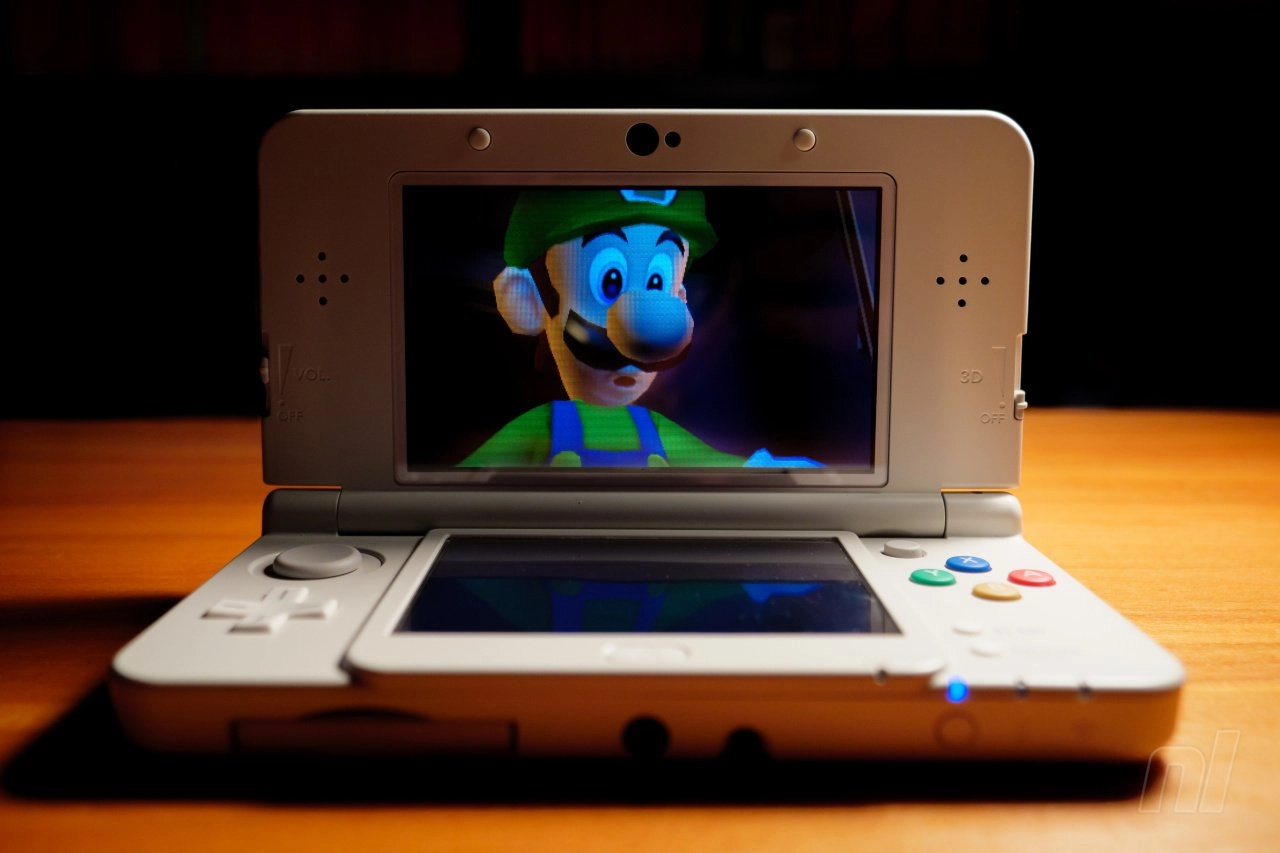
The fallout from this legal action doesn't end with Yuzu. The 3DS emulator Citra, also supported by Tropic Haze, has ended as a consequence of the settlement. With the termination of the 3DS eShop and upcoming end to its online functionality, many eShop-exclusive titles will become unavailable, making this a significant loss for game preservationists and fans of legacy content.
Nintendo’s actions have served a stern reminder of the company's dedicated fight against what it deems as piracy. It continues to include various forms of software circumvention under this umbrella. Even as the Switch enters its later years on the market, Nintendo remains vigilant in protecting its intellectual property and seems prepared to take action against any activities that may enable unauthorized access to its games.
Through these events, Nintendo has once again affirmed its stance that emulation equates to piracy, sending a clear message to anyone who might consider such ventures with Nintendo's software. While the implications for the emulator community continue to unravel, it's clear that for Nintendo, preserving the integrity and profitability of their products remains a top priority.
The shutdown of Yuzu, after years of operation, marks another chapter in the ongoing conversation around game emulation and its legal implications. Whether this will deter future emulators or simply push such activities further underground remains to be seen. What is certain, however, is that Nintendo will firmly stand against any perceived threats to its gaming ecosystem, utilizing their considerable legal resources to maintain control over how their games are distributed and played.

You must be logged in to post a comment!
