In the world of video gaming, few endeavors are as ambitious or as fraught with challenges as the creation of a new gaming console to compete against established giants. This was the reality Trip Hawkins, the founder of Electronic Arts (EA), envisioned when he attempted to assemble an extraordinary alliance of technology titans to enter the arena. The goal? To create a gaming system that could challenge the dominance of Sony's PlayStation.
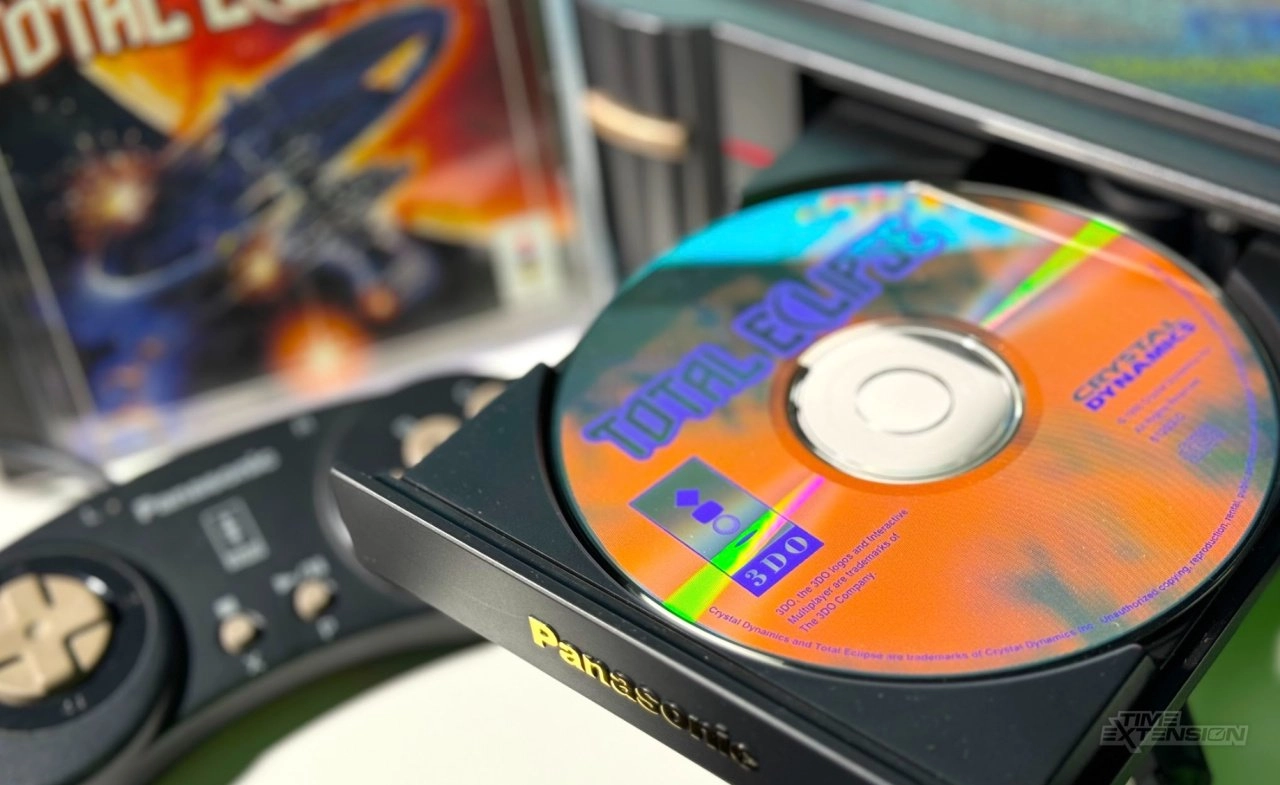
In the early-to-mid 1990s, the gaming industry witnessed the introduction of the 3DO Interactive Multiplayer, a console that promised to revolutionize the way people played games. Despite the ambitious promise to be the "VHS for video games," the 3DO, priced significantly higher than its competitors, struggled to find a foothold in the market. The PlayStation's release further eclipsed its potential, turning the 3DO into a footnote in gaming history.
However, the vision for the 3DO's growth and dominance did not end there. Hawkins revealed in an interview that there were once plans for a successor to the 3DO known as the M2. This new system was to be developed in partnership with the Japanese hardware company Matsushita, better known today as Panasonic. The M2, full of potential, was poised to bring together a coalition of powerhouse companies to support it—a coalition that included Sega and Philips, alongside Matsushita.
Hawkins described how close he came to actualizing this alliance, explaining that at one point, he had a verbal agreement with Philips and Sega to join forces and create a united front against the rapidly expanding influence of the Sony PlayStation. This alliance of industry giants could have significantly altered the landscape of the gaming world, potentially creating a competitive environment like none other.
However, the fragility of such a partnership became evident when Matsushita purportedly expressed a desire to exclude Sega from the arrangement. Relations soured, leading Sega to feel disgruntled, and Philips eventually withdrew from the discussions. Despite Hawkins' year-long effort to create a unified coalition, the inability of these companies to work in concert spelled the end of what could have been a monumental shift in gaming history.
Despite the failure to launch the M2, Hawkins still found a silver lining in the work that had been conducted. He posited that Matsushita's contributions to both the 3DO and the M2 played a role in the eventual rise of the DVD format, also suggesting that various technological advancements, such as IBM's entry into video game hardware, were spun off from the efforts surrounding the ill-fated M2.
Today, the M2 remains a "what if" in gaming lore—never having reached store shelves and leaving enthusiasts to only imagine the impact of a collaborative console by Sega, Philips, and Panasonic. As with many pieces of gaming history, the story of the M2 and its potential alliance is now a subject of intrigue and speculation.
The story of the M2 and the envisioned partnership between these tech companies is not just a tale of what could have been but also a reflection of the challenges and intricacies of the video game industry. It illustrates the importance of collaboration, the volatility of corporate relationships, and the ever-present need to innovate in a field where technology and consumer preferences shift rapidly.
While the M2 never came to fruition, the gaming industry has continued to evolve, with different companies rising and falling in prominence over the years. But Hawkins' ambitious dream serves as a lesson in both the potential and the perils of aiming to shift the status quo in a world as competitive as the gaming industry. The vision of a super alliance between Sega, Philips, and Panasonic remains a fascinating footnote in tech and gaming history—a reminder of the potential for groundbreaking innovation when industry leaders come together.

You must be logged in to post a comment!
