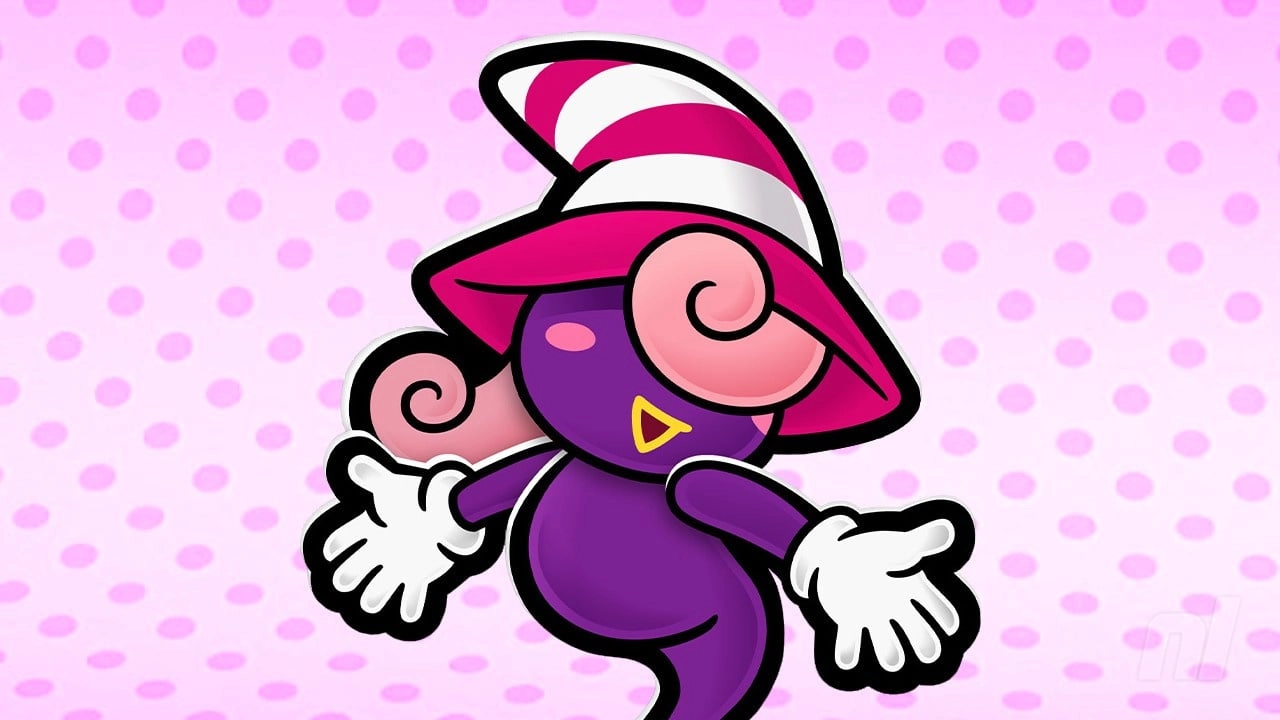
Nintendo, a longstanding powerhouse in the video game industry, has often been critiqued for its conservative approach towards LGBTQIA+ representation. However, recent developments suggest a shift toward more inclusive storytelling. A standout example is the character Vivian from the Paper Mario series, who is presented as transgender in the latest game localization. This move represents a significant departure from previous practices, reflecting a broader change in the industry towards diversity and inclusion.
Vivian first appeared in the 2004 release of Paper Mario: The Thousand-Year Door. Initially, her gender identity was subtly hinted at in the Japanese version but was obscured in English translations. In the game, Vivian is one of the Sirens, and her story intertwines with themes of acceptance and identity. She faces bullying from her sisters, which is a reflection of her struggles with her gender identity. In early versions, this bullying was portrayed differently across various languages, sometimes focusing less on her gender and more on other aspects.
Fast forward to recent years, the gaming community has witnessed a push for better representation. Nintendo and its developers, including Intelligent Systems, have started to update their games to be more inclusive. The new English localization of Paper Mary: The Thousand-Year Door directly acknowledges Vivian's transgender identity, aligning it with the original Japanese version.
In the updated version, scenes that previously diluted or misrepresented Vivian's experience have been corrected. For instance, dialogues that involved misgendering or avoiding the issue altogether have been revised. These changes not only validate her identity but also show a more sensitive and respectful approach to character development. The game now features scenes where Vivian expresses happiness when her sisters refer to her correctly as their sister, highlighting her journey toward acceptance and self-recognition.
The decision to update Vivian's portrayal in the game came as a pleasant surprise to many fans and advocates of LGBTQIA+ rights. It signifies a broader cultural shift within Nintendo, mirroring the increasing acceptance of transgender individuals in society at large. This move is lauded for its ability to contribute positively to the conversation about gender and for providing a role model for players who might be grappling with similar issues.
Moreover, the inclusion of a transgender character like Vivian in a major video game has broader implications. It challenges other developers and companies in the entertainment industry to take bold steps towards inclusivity. Representing a transgender character respectfully and accurately helps in normalizing such discussions in public and private realms, encouraging empathy and understanding among players.
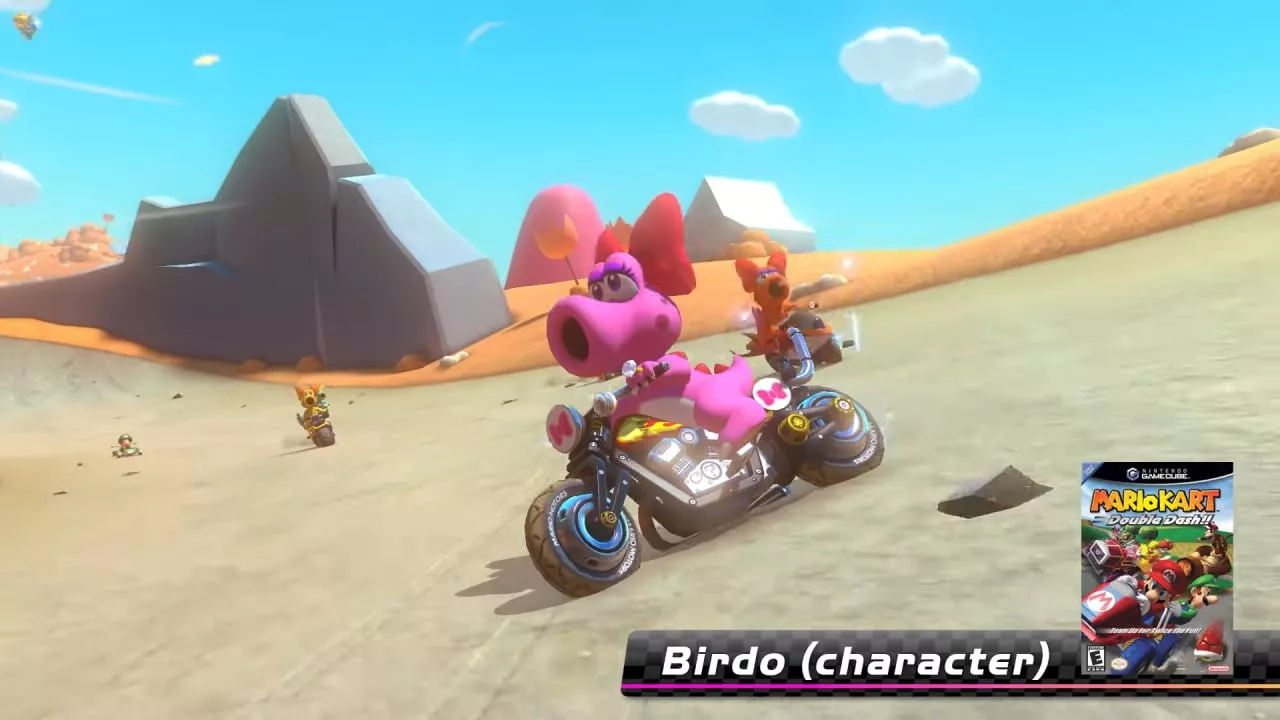
Nintendo's evolution in character portrayal from the less-inclusive descriptions of Birdo in early manuals to a more thoughtful representation of Vivian reflects a growth in its corporate ethos. This change is part of a larger trend in the video game industry where there is an increasing effort to depict diverse identities and stories. Games like Fire Emblem and Xenoblade Chronicles have also begun to explore LGBTQIA+ themes, with characters that defy traditional gender roles and express a range of sexual orientations.
The reception to Vivian’s character in the gaming community has been overwhelmingly positive. Many players see her as an essential addition to the roster of Nintendo characters, providing visibility for underrepresented groups. Her story arc in Paper Mario not only enriches the game’s narrative but also offers a valuable lesson on acceptance and identity, resonating with a wide audience beyond just LGBTQIA+ individuals.
Nintendo’s initiative to revisit and update existing characters to better reflect contemporary values about gender identity is a commendable step. As the gaming industry continues to evolve, it is crucial that major players like Nintendo lead by example. By doing so, they not only enhance the gaming experience for all players but also contribute to a more inclusive society.
With Vivian’s character, Nintendo has set a new standard for themselves and the industry. It is a clear message that they are committed to building games that are not only entertaining but also reflective of the diverse world we live in. Moving forward, the community remains hopeful that Nintendo will continue to introduce and redefine characters in ways that celebrate all facets of human identity.

You must be logged in to post a comment!
