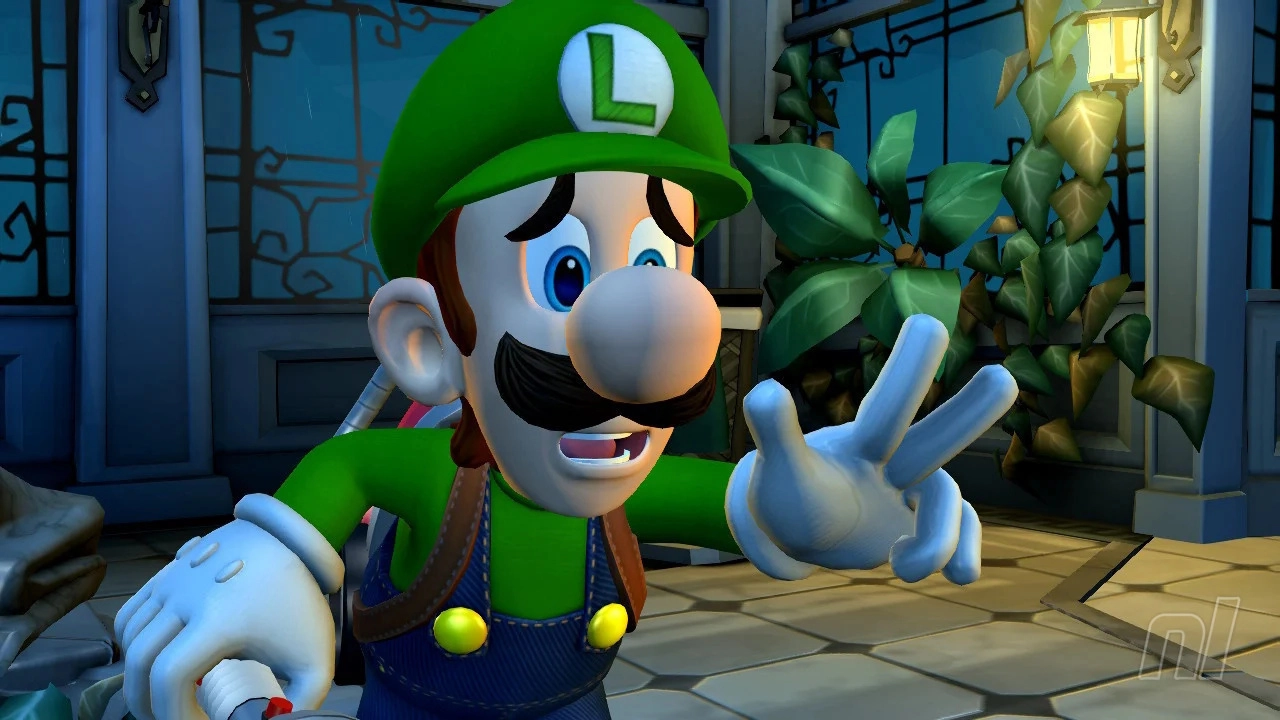
The Japanese gaming market has seen an exciting week with the release of Luigi's Mansion 2 HD, which soared to the top of the sales chart immediately upon release. According to the latest data provided by Famitsu, the game sold an impressive 88,425 units in its debut week, evidencing strong consumer interest and a successful launch.
This remaster of the classic game not only captured the top spot but also helped its predecessor, Luigi's Mansion 3, climb back into the top ten, with 4,438 units sold last week. This suggests that the release of the sequel may have rekindled interest in the series as a whole.
Nintendo continues to dominate the Japanese market, as other longstanding favorites remained strong in sales. Animal Crossing: New Horizons took the second position with 8,977 units sold, bringing its cumulative sales to a staggering 7,815,790. This enduring popularity shows the lasting appeal of the game, which has become a cultural phenomenon since its release.
Following closely, Mario Kart 8 Deluxe also showed remarkable longevity, placing third with 7,473 units sold last week. Its ongoing sales success is a testament to the enduring appeal of the Mario Kart series, with cumulative sales reaching almost six million copies in Japan alone.
In a shift from previous weeks, Elden Ring: Shadow of the Erdtree Edition, fell to fourth place, managing to sell 6,993 units. While still performing well, it could not compete with the strong sales of Nintendo’s titles.
Another notable mention is Paper Mario: The Thousand-Year Door, which also performed well, selling 6,457 units and ranking fifth in the top ten. This shows a continued appetite for Nintendo's rich library of games, which appeal to players of all ages.
Further down the list, other popular titles like Minecraft and Super Mario Bros. Wonder maintained steady sales, demonstrating the broad and enduring appeal of these games among Japanese audiences.
In the realm of hardware, the Nintendo Switch OLED model led with 30,743 units sold, clearly outpacing the PlayStation 5 which sold 25,301 units. The standard Switch and Switch Lite models also showed strong numbers, highlighting the overall dominance of Nintendo’s console in the market.
The total sales for all Nintendo Switch models combined were considerably higher than those of PlayStation units, underscoring Nintendo's strong position in the Japanese console market. This can be attributed to the diverse and popular game library available for the Switch, catering to a wide range of audiences.
This week's figures not only highlight the continuing success of Nintendo in maintaining a lead in both hardware and software sales but also reflect the dynamic nature of the Japanese gaming market, where new releases can still stir significant consumer excitement and engagement.
Moreover, this sales data is a crucial indicator of trends and consumer preferences, providing insights into which franchises and types of games resonate with audiences in Japan today. As new titles are released and existing games continue to engage players, the landscape of the Japanese gaming market remains vibrant and ever-changing.

You must be logged in to post a comment!
