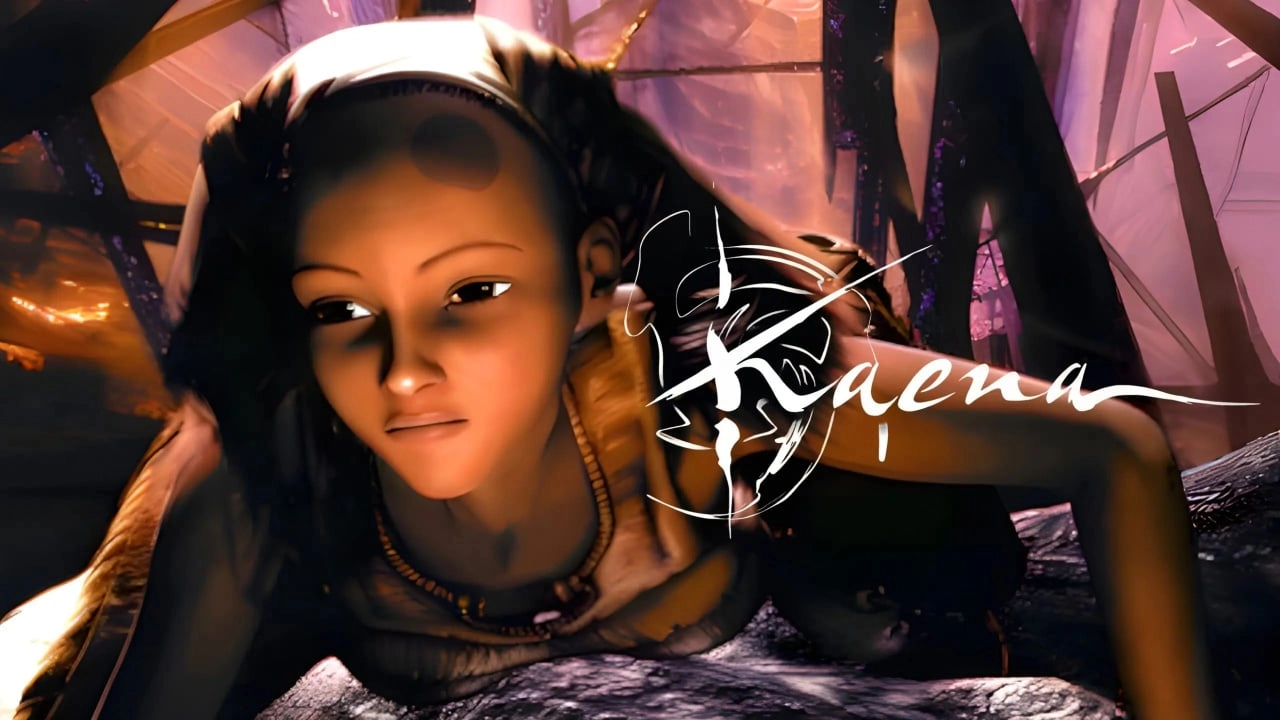
Two decades ago, amidst the height of the PlayStation 2's popularity, a game titled 'Kaena' was quietly developed and released exclusively in Japan. Based on a French-Canadian animated film, this game featured top-tier Hollywood talent, yet it never saw a Western release. Recently, a collector has unearthed and shared an English-version debug copy of this obscure title, bringing it back into the limelight.
The game, inspired by the 2003 film "Kaena: The Prophecy", was a collaborative effort between French and Japanese studios. Notably, the film featured voices from renowned actors like Kirsten Dunst, Anjelica Huston, and the late Richard Harris in what would be one of his final projects, following his role as Dumbledore in the first two Harry Potter films. Despite the star-studded cast and innovative cross-media aspirations, the film underperformed at the box office, which seemingly influenced the decision against releasing the English version of the game in Western markets.
Only released in Japan in 2004 by publisher Namco, 'Kaena' the game remained relatively unknown outside of dedicated circles who follow rare game collections or French animation closely. The game's existence was hinted at in video game magazines during its development, where it was advertised as having an upcoming English launch — a promise that, until recently, seemed unfulfilled.
The rediscovery of 'Kaena' was brought to public attention by Robin Davies, a video game collector known for his expansive collection of rare and unreleased titles. Davies took to social media to announce his find, posting video clips demonstrating the game's gameplay and cutscenes, all in English. The shared clips reveal a fantasy adventure game where the player navigates various environments and interacts with characters voiced by the anticipated English cast.
Amid his online showcase, Davies highlighted the importance of game preservation, expressing his intention to keep this version accessible for historical and cultural preservation. He emphasized that such efforts allow enthusiasts to experience pieces of video gaming history that might otherwise be lost to time.
This revelation is significant for the gaming community, especially for preservationists and historians who recognize the importance of documenting and preserving all facets of gaming history, including those that were nearly forgotten. The discovery of the English version of 'Kaena' isn't just about reviving a single game — it serves as an important reminder of the many projects that get shelved or overlooked in a constantly evolving industry.
Moreover, the return of 'Kaena' has sparked discussions among gaming enthusiasts and historians alike about the impact of film-driven games and the complex decisions that lead to canceling releases even after significant investment. It encourages a deeper look into the dynamics between game and film industries and how they have evolved over the decades.
The case of 'Kaena' is just one story in the vast annals of gaming, but it encapsulates the mysteries and the excitement that continue to fuel the passion of game collectors and historians. With Davies' plans to make the game more publicly accessible, perhaps 'Kaena' can finally get a bit of the recognition it was originally intended to, offering a unique window into a moment in gaming history where film and video games intersected in ambitious, albeit commercially challenging, ways.

You must be logged in to post a comment!
