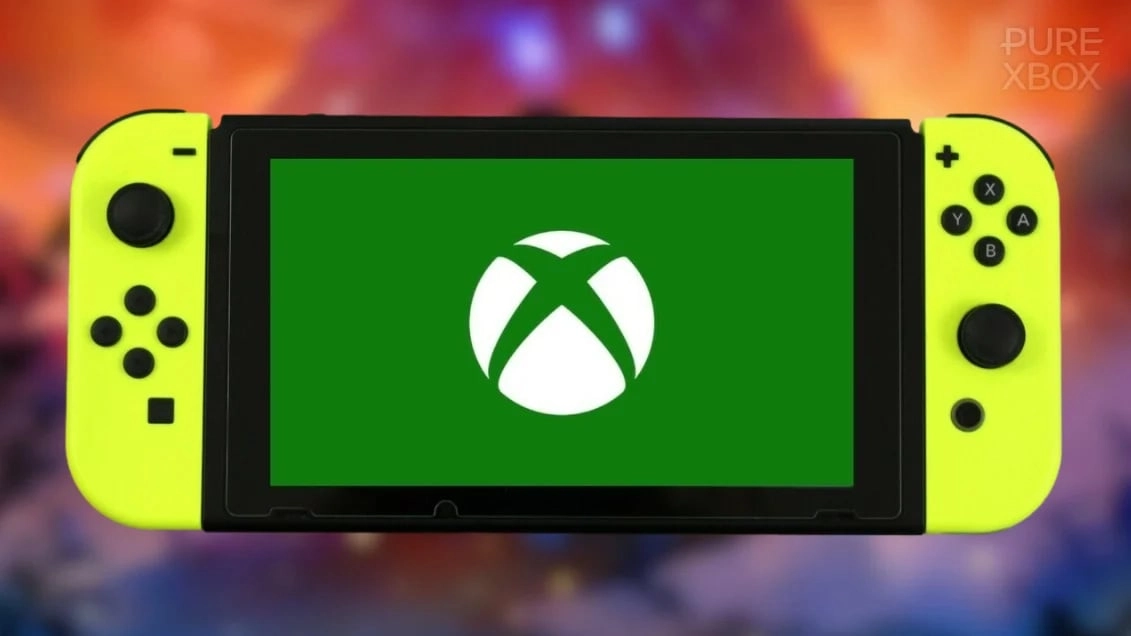
In the dynamic world of video gaming, gamers equipped with multiple gaming consoles such as Xbox, Nintendo Switch, and newer entries like the Steam Deck often face a puzzling decision: which device should they purchase their third-party games for? This dilemma not only highlights the strengths and weaknesses of each gaming system but also underscores the evolving way that gamers interact with their devices, prioritizing factors from visual fidelity to the convenience of portability.
The Xbox, known for its powerful performance and high-quality graphics, typically offers the best visual experience for third-party games. Titles like “Hades” and "Worms W.M.D." appear sharper and run smoother on the Xbox compared to other platforms. However, while Xbox leads in power, it's stationary, tying players to their living rooms or wherever their console is set up.
Enter the Nintendo Switch, a hybrid console that dramatically changes the game with its dual functionality; it can be docked and played on a TV like a traditional console or used as a handheld device. This flexibility has significantly influenced purchasing decisions for third-party games. Despite its relatively less powerful hardware, which sometimes results in lower graphical fidelity and performance, the appeal of portability is undeniable. The ability to play games in both a stationary and mobile manner offers a continuous gaming experience that many find invaluable.
This notion is especially compelling given the increasing availability of former Xbox exclusives on the Switch. The option to play games out and about can sometimes outweigh the drawbacks of reduced visual quality. For instance, “The LEGO Harry Potter Collection” might not look as crisp on the Switch as it does on the Xbox, but the ability to play it on a long commute or curled up in bed adds a layer of value that home-bound consoles can't match.
The introduction of devices like the Steam Deck further spices up the debate among gamers. The Steam Deck offers a more comparable performance to traditional consoles like the Xbox while maintaining handheld versatility. Meanwhile, other options like the ASUS ROG Ally and Lenovo Legion Go, though less talked about, offer similar benefits aligning with increasing demands for flexibility in gaming experiences.
Moreover, features like Xbox’s Play Anywhere program, which allows purchases on Xbox to be available on PC too, blur the lines between devices further, giving users more flexibility and encouraging ownership across multiple platforms. This ecosystem approach helps gamers feel more comfortable purchasing games across different hardware, knowing they won’t necessarily have to choose one over the other.
Interestingly, while traditional arguments in console selection revolved around exclusive titles, the conversation nowadays leans towards how people play rather than what they play. Gamers tend to look at their lifestyle, gaming preferences, and convenience when making purchasing decisions.
The ongoing discussion in gaming communities about whether to buy for Switch or Xbox typically shows a split preference. Some players prioritize performance and graphics and thus lean towards Xbox. Others value the ability to game on-the-go, making the Nintendo Switch or similar handheld devices more attractive. Then there are those who do a bit of both, choosing based on other factors such as game genre or the presence of multiplayer features that might benefit from more flexible playing options.
Ultimately, the decision on where to purchase third-party games depends on personal preference and lifestyle. As gaming technology evolves and becomes more integrated, gamers are increasingly looking for ways to maximize their gaming enjoyment across all available platforms. The industry's response by creating more versatile gaming devices and cross-compatible features is a testament to the changing landscape, acknowledging that the future of gaming is not tied to one console or another but to a seamless integration of experiences across multiple devices. Thus, gamers continue to enjoy an unprecedented freedom of choice, making the most out of each platform's unique offerings—whether at home, on the road, or anywhere in between.

You must be logged in to post a comment!
