
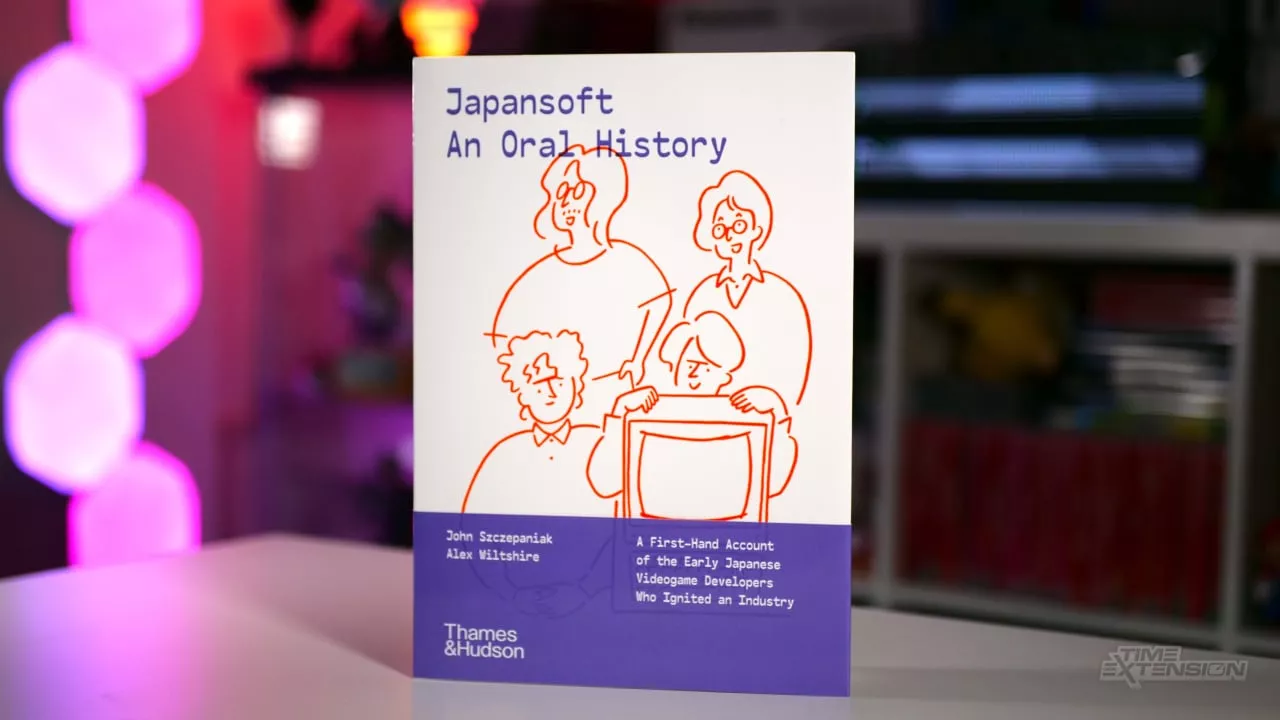
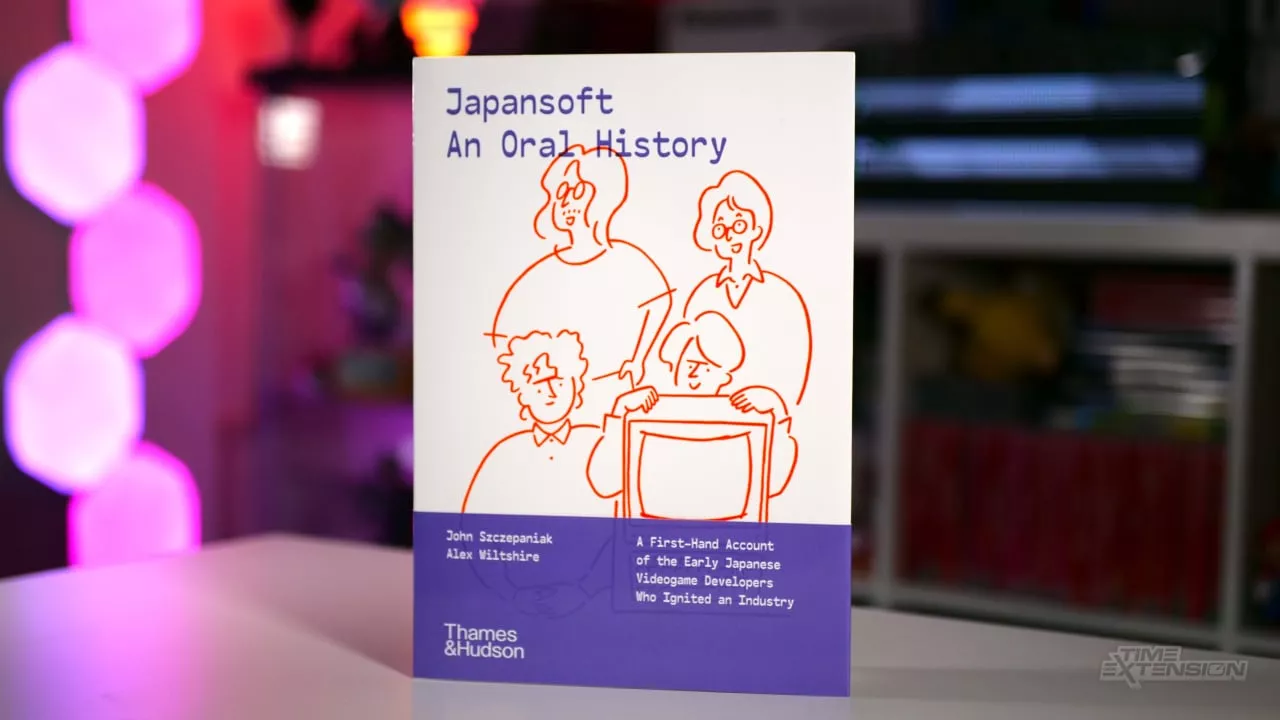
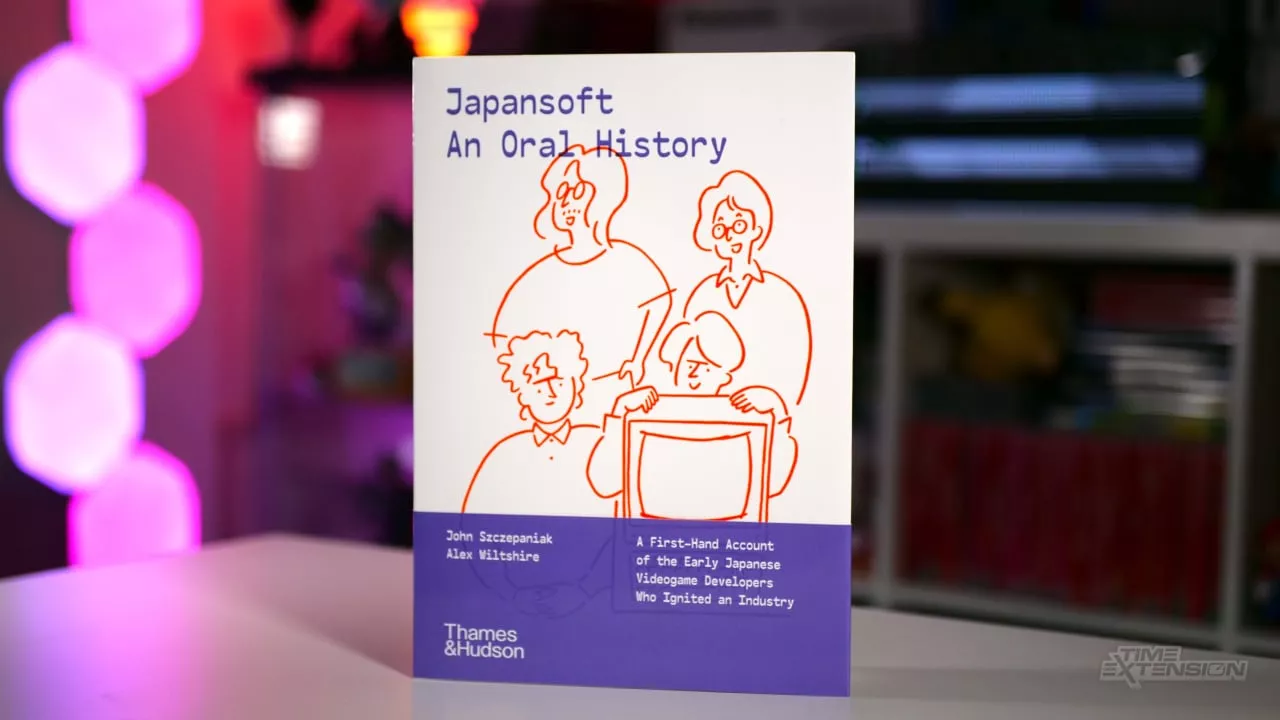
The world of video game journalism has seen a multitude of works that attempt to unpack the intricacies and stories behind the screens. Among them stands a notable piece, "Japansoft: An Oral History," which is highly regarded for its exploration of the Japanese video game industry's evolution and influence. The book, authored by John Szczepaniak, originally saw its release in a limited hardcover format by Read Only Memory, capturing the tales of some of Japanese gaming's unsung pioneers. Now, it returns in a more accessible paperback format through Thames & Hudson, aimed at reaching an even wider audience.
Szczepaniak’s work involves a series of deep, reflective interviews with key figures who have shaped, or been shaped by, the Japanese video game industry. During these interviews, insights are gleaned from notable developers like Giles Goddard (Star Fox), Richard Garriott (Ultima), and Chipzel (Super Hexagon), all of whom discuss the impacts of seminal Japanese game series like Ultima and Wizardry, and even touch on the niche 'kusoge' (‘crap game’) phenomenon in Japan. These discussions are not only informative but offer a rare glimpse into the cross-cultural influences that have defined gaming landscapes around the globe.
In this new edition, Szczepaniak adds a preface that includes discussions with influential Western developers, providing a richer context on how Japanese games have resonated across different continents. This new section aims to bridge the understanding between Eastern and Western gaming developments, enriching the reader's appreciation of the global video game ecosystem.
The heart of the book remains its detailed interviews with Japanese game developers who have seldom shared their stories before. It features conversations with figures like Harumi Fujita, known for Bionic Commando; Noritaka Funamizu of 1943 and Area 88 fame; Manami Matsumae, the mind behind Rockman’s melodies; Nasir Gebelli, a key programmer for Final Fantasy; and Tomohiro Nishikado, the creator of Space Invaders. These interactions are meticulously edited to bring out personal anecdotes and professional insights that paint a vivid picture of the development scenes in Japan.
Despite the enriched content and the appeal of a more widespread release, the book's price point at £30—an equivalent to its previous hardcover edition—might deter some potential readers who are familiar with the original release. Nonetheless, the historical significance and the narrative depth it offers make "Japansoft: An Oral History" a valuable addition to any enthusiast's collection, particularly those interested in the archival aspects of gaming history.
Beyond its comprehensive interviews and new preface, the book does not shy away from portraying the challenges and the often-overlooked nuances of the gaming industry in Japan. It successfully encapsulates decades of technological advancements, cultural shifts, and personal triumphs, all contributing to a dynamic tapestry that has influenced many facets of global pop culture.
This paperback release of Japansoft not only promises a deeper understanding of the historical interplay between Eastern and Western game development but also celebrates the legacy of those who paved the way for the games that define today’s mainstream and indie landscapes. It serves as an academic yet accessible resource for anyone looking to understand the pillars upon which the video gaming industry was built, and the continuing impact it has on entertainment worldwide. With its comprehensive coverage and enhanced accessibility, this edition of Japansoft stands as a crucial document of video game history, ensuring that the memories and contributions of gaming's early pioneers are preserved and appreciated by future generations.



You must be logged in to post a comment!
