
In the mid-1990s, the video game industry witnessed a seismic shift, not only in technology and gameplay but also in how games were marketed. One of the most iconic and controversial advertising campaigns of that era was for the video game WipEout, developed by Psygnosis. This campaign was a crucial moment that redefined the public perception of video games.
WipEout, with its fusion of high-speed racing and futuristic aesthetics, was enhanced by a marketing strategy that perfectly encapsulated the game's edgy persona. The campaign was developed in collaboration with The Designers Republic, known for its bold graphic designs. Together, they created an advertisement that would leave an indelible mark on gaming culture.
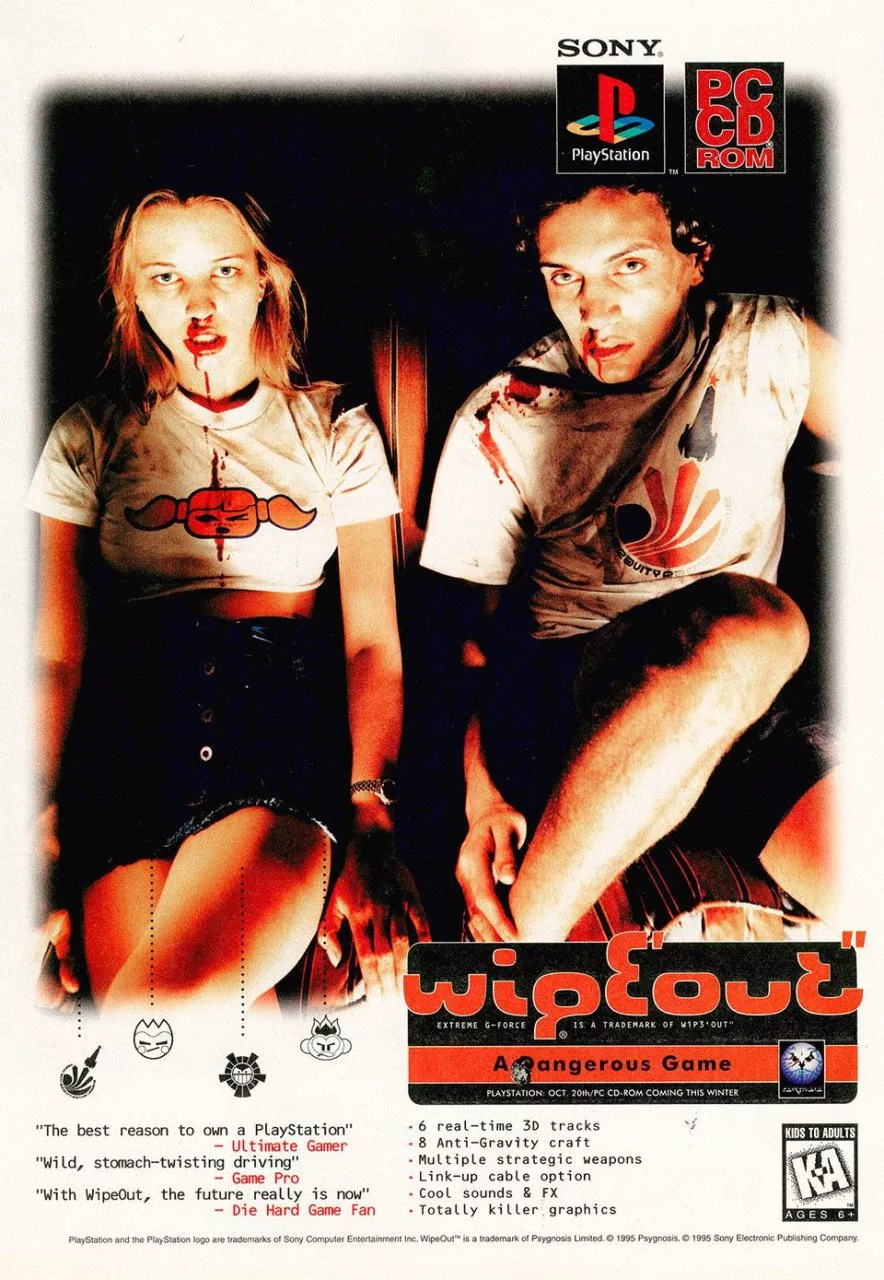
The controversial advertisement didn't feature gameplay or even a gaming console. Instead, it depicted a gritty scene with a man and a woman on a sofa, appearing disheveled and bloodied, wearing T-shirts with WipEout branding. The striking image was aimed to suggest that the game was so intense it could metaphorically lead to a nosebleed.
Former Psygnosis copywriter Damon Fairclough shared insights into the creation of this advertisement. The casting involved selecting newcomers, including Sara Cox, who at the time was an unknown model soon to achieve celebrity status on British television. The choice of photographer Andy Earl, known for his work with major music stars, further solidified the high stakes and professionalism of the campaign.
The ad first appeared in Computer Trade Weekly, a trade magazine in the UK, igniting immediate and widespread controversy upon release. The visceral imagery led to interpretations that the ad was promoting drug use, which was exacerbated by the British tabloid media. The Sun newspaper and figures like the late Tory MP Terry Dicks were vocal in their criticism, claiming the advertisement was inappropriate, especially for younger audiences.
While the initial intention behind the nosebleed was to represent the game's intensity and speed, the execution was perhaps too bold or misjudged for the audience at the time. In response to the backlash and differing international standards, a modified version of the ad was created for the German market where showing blood in advertisements was prohibited; this version noticeably toned down the explicit imagery.
Despite the controversy, the advertisement did achieve a form of brand recognition and market penetration that was relatively unprecedented for video games at the time. It displayed a maturing industry ready to break into mainstream culture, mirrored by video games' increasing presence in nightclubs and popular culture venues across the UK.
The repercussions of this campaign were significant. It prompted a broader discussion about the role and content of video game advertising. On the one hand, it demonstrated a bold and unapologetic shift toward adult-oriented marketing in an industry previously considered mostly child-friendly. On the other hand, it highlighted the potential pitfalls of pushing boundaries in advertising without full consideration of public reaction and interpretation.
Following this storm, video game marketing continued to evolve, with companies becoming more cautious and strategic about their imagery and messaging. The Psygnosis team, while initially taken aback by the backlash, learned crucial lessons about public relations and audience engagement. This event marked a critical point in video game history, showcasing both the growing pains and the innovative strides of a rapidly evolving industry.
The WipEout advertisement remains a subject of study and discussion among marketing professionals and gaming historians, illustrating the complex relationship between cultural products and the societal norms they engage with. It serves as a testament to the video game industry's wild ride through public scrutiny, artistic expression, and commercial success. As gaming continues to advance, the legacy of WipEout's marketing remains a poignant reminder of the industry's formative years in the crucible of public opinion.




You must be logged in to post a comment!
