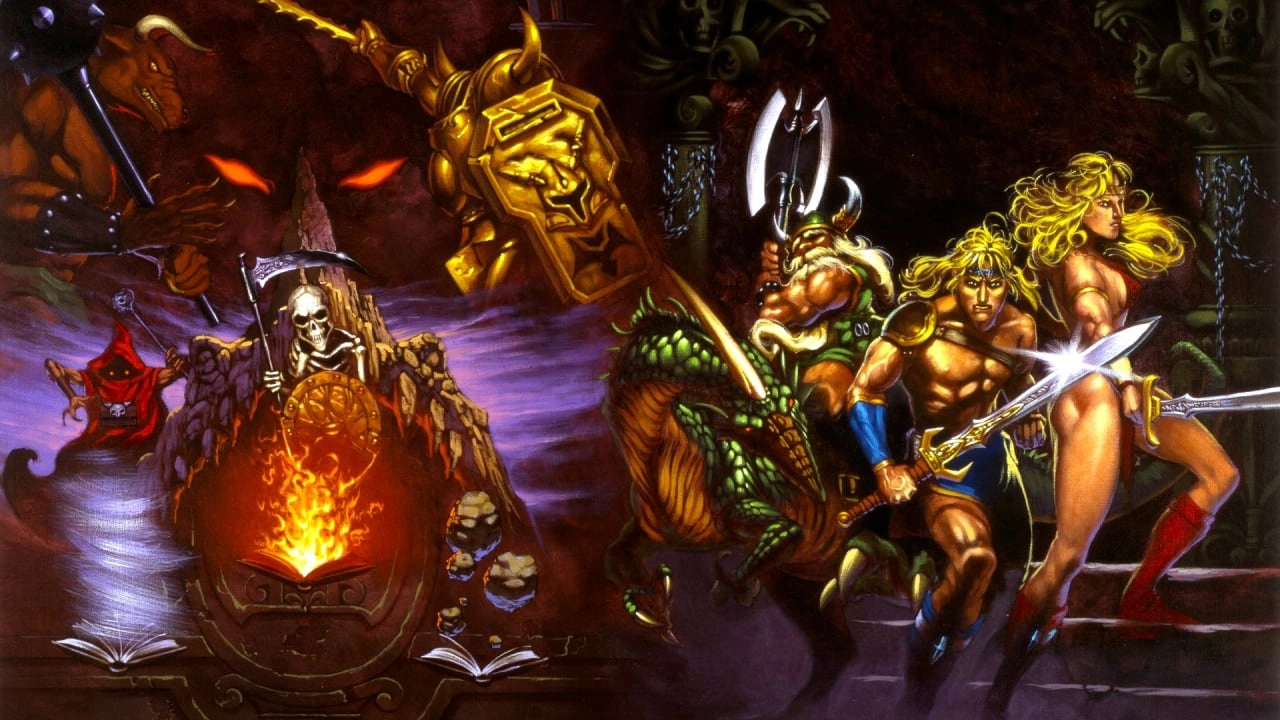
Jun Satoh, a pivotal figure in the video game industry, particularly known for his influential artwork on Mega Drive game covers in Japan, sadly passed away in 2021. His contributions, while not universally recognized outside of Japan, left an indelible mark on the aesthetics of video games and the memories of those who played them.
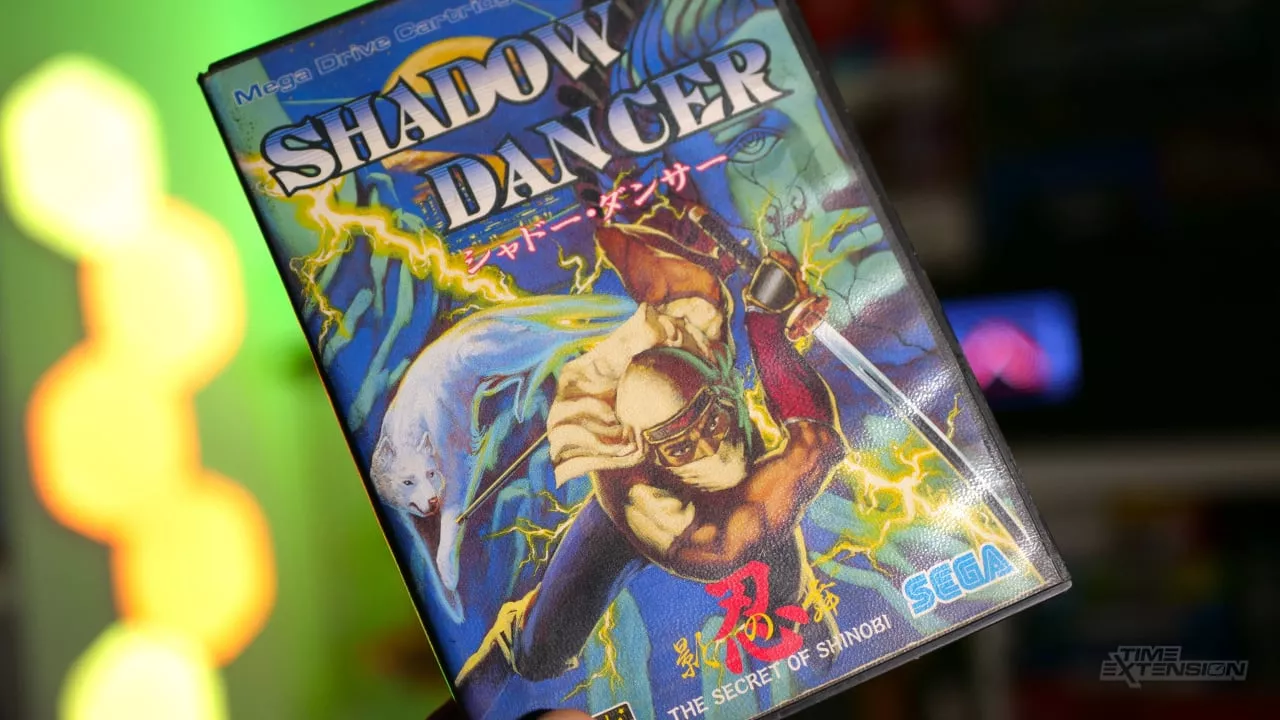
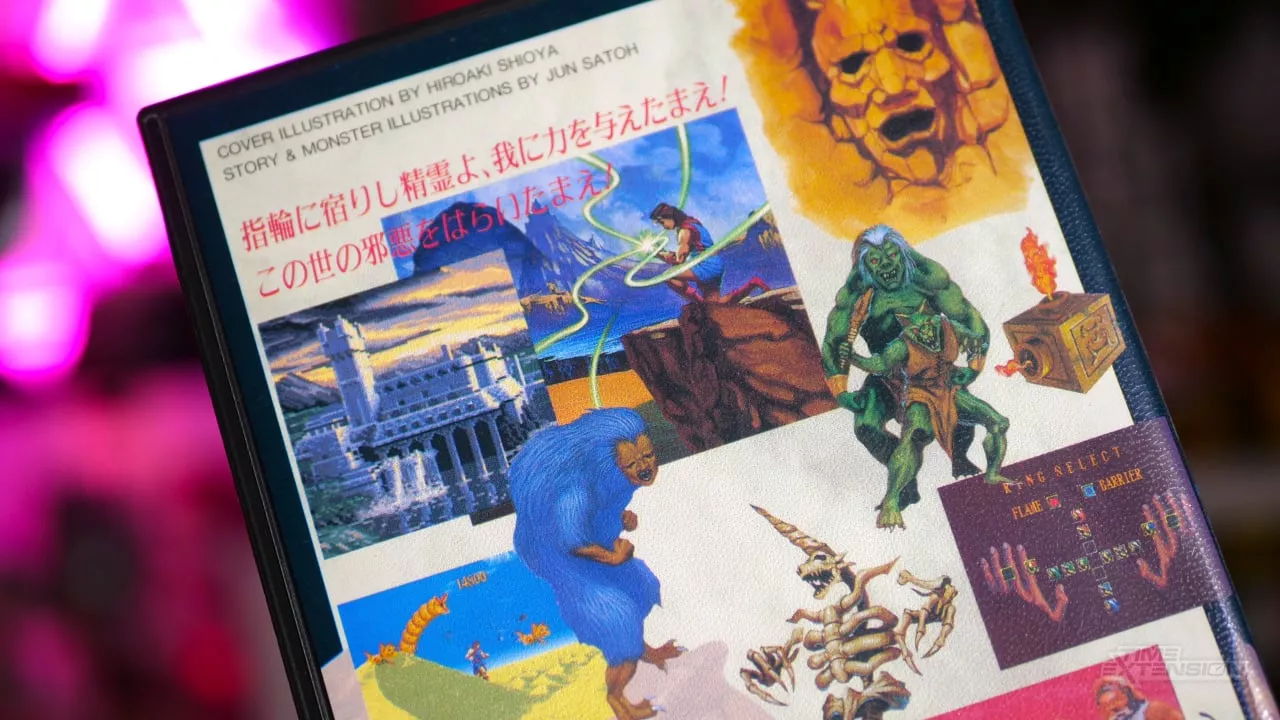
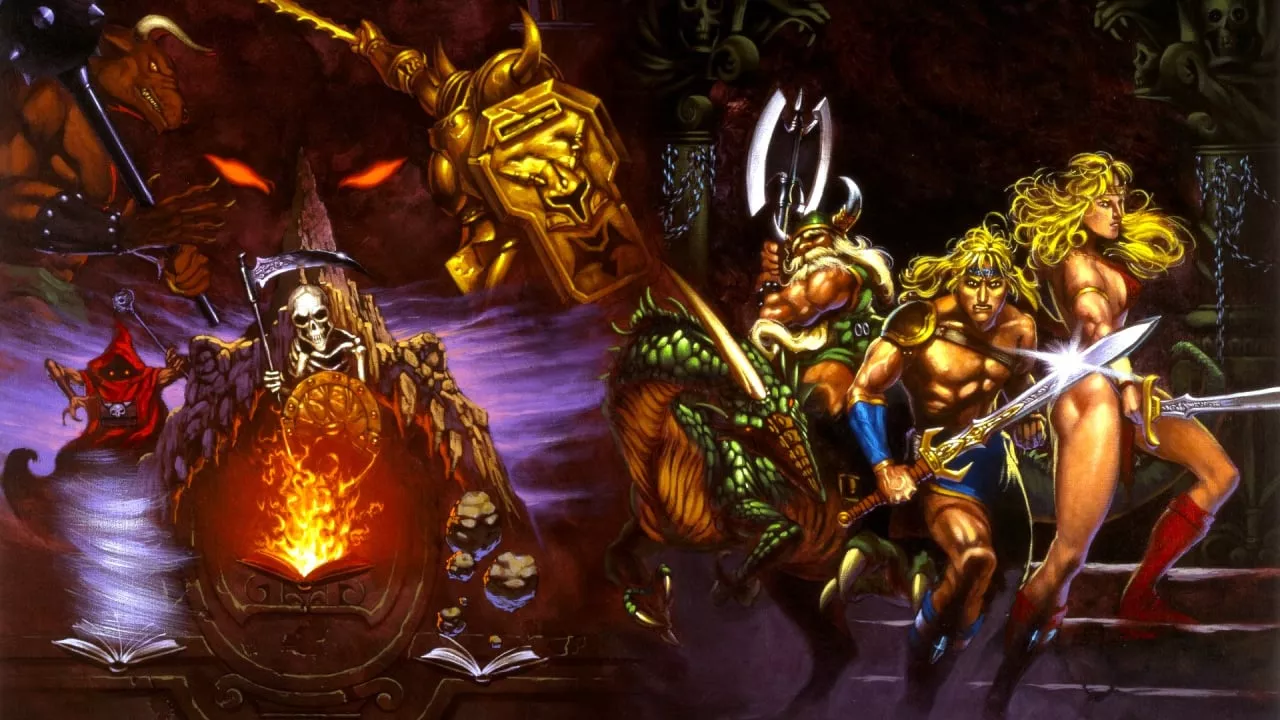
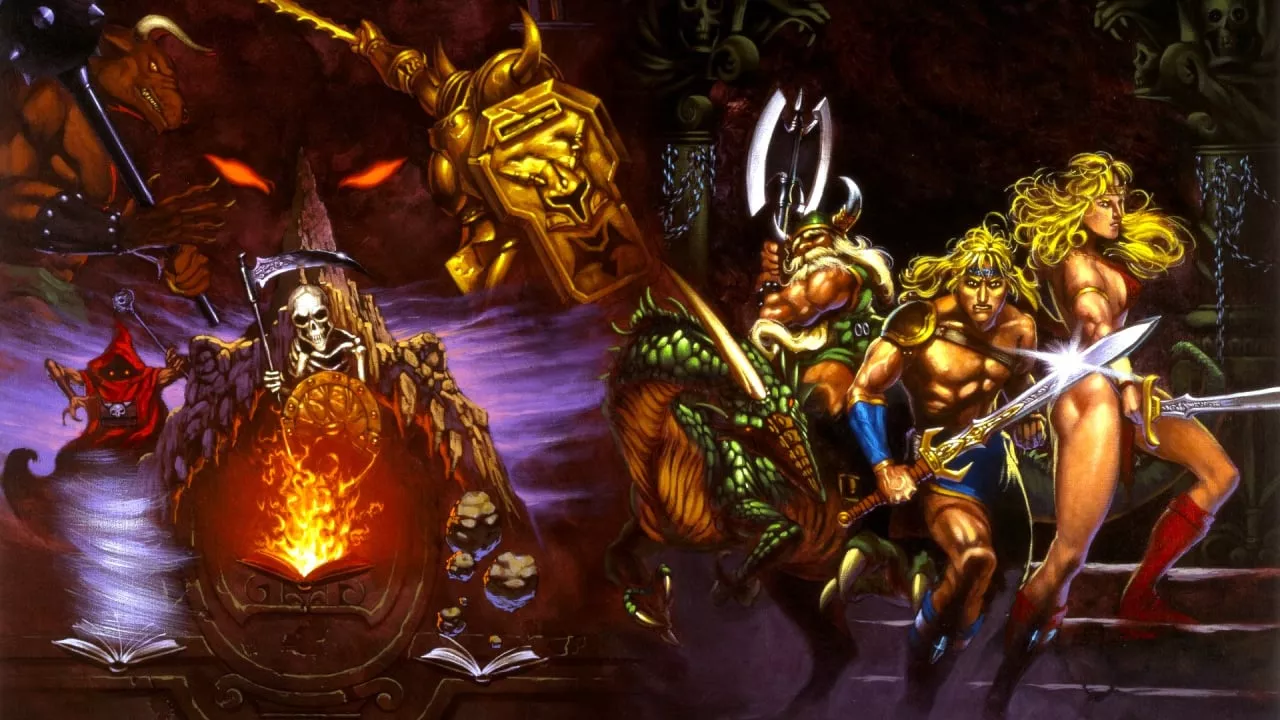
Satoh's work included some of the most memorable game covers for Sega and Data East, engaging a generation of gamers with his visually striking designs. His creations encompassed a wide range of games, including revered titles like Shadow Dancer, Golden Axe II, Ax Battler, Ninja Gaiden, and Alien Soldier. For admirers of classic video games, especially collectors of Japanese editions, Satoh's art is instantly recognizable and often serves as a symbol of gaming's golden age.
Interestingly, although Satoh's art captured the essence of each game, his cover designs were frequently replaced in Western releases with alternative artwork, which many fans found less appealing. For example, the Western cover of Shadow Dancer is often cited as one of the less impressive adaptations, deviating significantly from Satoh's original vision. Such changes were decisions based on the assumption that different artistic presentations would appeal more to the Western audience, a practice common in the industry during the 80s and 90s.
Despite these changes, Satoh's work remains a prime example of the artistry in game design. His style, characterized by vibrant colors and dynamic compositions, not only enhanced the visual appeal of the games but also helped to convey the excitement and energy typical of the era's action games. This artistic approach helped establish an engaging visual narrative that complemented and enriched the gaming experience.
His legacy is preserved not only in the games he worked on but also in the high regard in which his fellow artists hold him. Akira Sakuma, a former colleague at Data East, conveyed the news of Satoh's passing and expressed deep admiration for his work and character. Satoh's death was a significant loss to the creative community, particularly within the niche of game artistry.
Beyond Sega and Data East, Satoh also contributed to several other titles across different platforms and genres, showcasing his versatility as an artist. His works for games like Jewel Master and Golden Axe III continue to be celebrated for their artistry. Additionally, he ventured into arcade games, creating artwork for titles such as Atomic Robokid Special, Heavy Barrel, Act-Fancer, Atomic Runner, Fighter's History, and Death Brade. There are also unconfirmed reports of his involvement in the artwork for Bad Dudes vs. Dragon Ninja and Vapour Trail.
The breadth of Jun Satoh's work highlights the significant impact he had on the video game industry. His ability to capture the spirit of a game in a single image made his artwork a crucial part of the gaming experience and left a lasting impression on players and developers alike. As the industry continues to evolve, his work serves as an inspiring reminder of the power of visual art in video gaming.
Satoh's artistic contributions have encouraged many to revisit and appreciate the visual aspects of classic video games. His influence extends beyond the boundaries of Japan, touching the hearts of retro gaming enthusiasts around the world. Through his art, Jun Satoh continues to inspire future generations of artists and game designers, ensuring his legacy will endure as an integral part of video game history. His works remain a testament to the creativity and passion that drive the game industry and continue to influence the visual language of video games today.

You must be logged in to post a comment!
