The tech and gaming community has recently been abuzz with the launch and subsequent failure of what was touted as a breakthrough product: the EmuDeck Machine. This device was designed to marry modern gaming capabilities with nostalgic retro gaming in a seamless, user-friendly package. However, despite the initial excitement, the project has come to an abrupt halt.
The EmuDeck Machine was the brainchild of the team at EmuDeck, known for their software solutions that enable better emulation of classic games on the Steam Deck platform. In an ambitious move to expand their offerings, the team devised the EmuDeck Machine, which was essentially a mini-PC designed specifically for gaming. It featured two versions: the EM1 and the EM2, each tailored to different user needs and budgets. The EM1 was powered by an Intel N97 APU, suitable for less demanding games, while the EM2 included a more robust AMD Ryzen 8600G processor and could be docked to an AMD Radeon 7600 GPU for enhanced graphical performance, making it capable of running AAA titles.
What set the EmuDeck Machine apart was its focus on automation and ease of use. It promised a "zero config" experience where users could enjoy their favorite retro games as well as new titles without the typical hassle associated with setting up emulators and configuring games. The system ran on a Linux-based operating system, Bazzite, and maintained compatibility with Steam, allowing users to access their existing game libraries and community-made content like Decky plug-ins. This feature was particularly exciting as it hinted at combining the convenience of console gaming with the extensive library and flexibility of PC gaming.
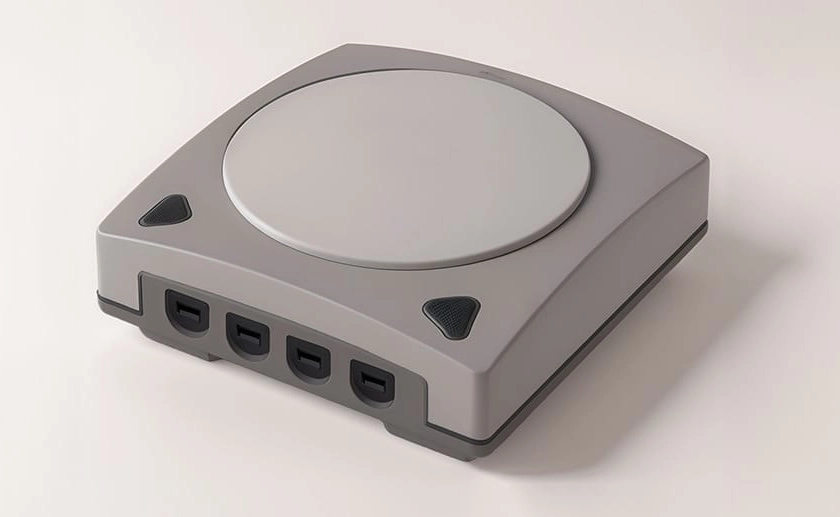
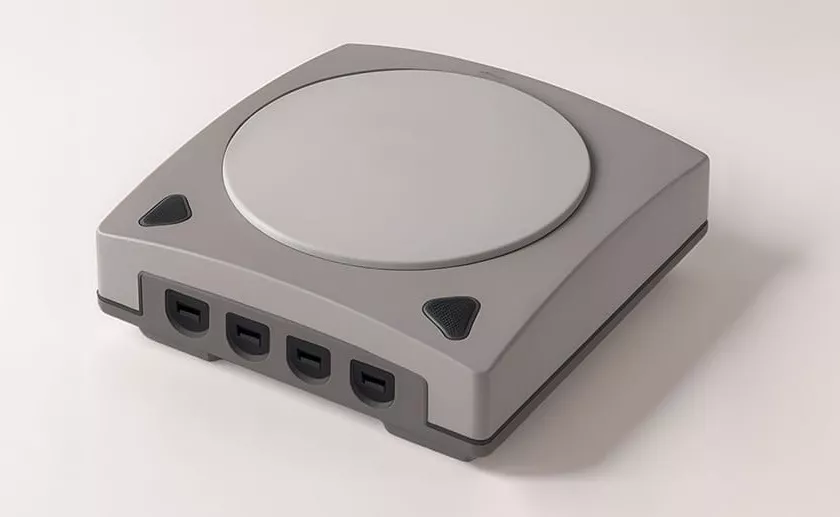
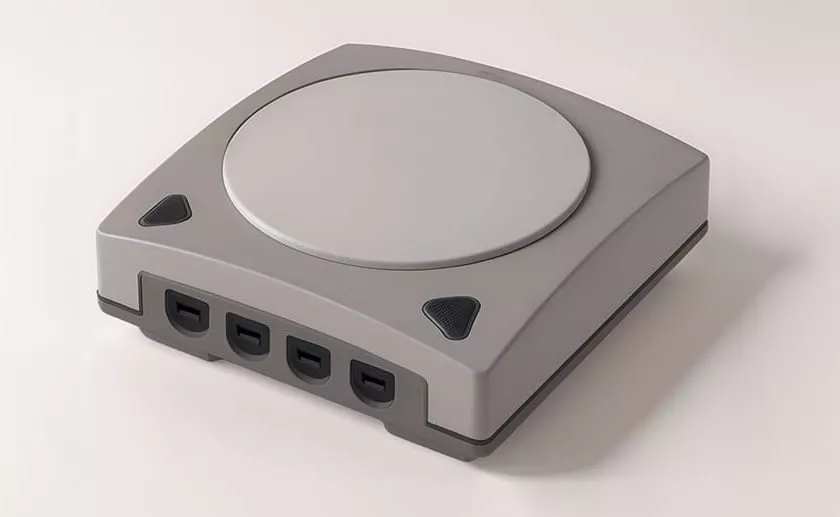
The exterior design of the EmuDeck Machine paid homage to classic gaming consoles, with a prototype reminiscent of a Dreamcast. This nostalgic element, combined with cutting-edge technology, was intended to appeal to a wide demographic of gamers who cherished old-school aesthetics but desired current-gen functionalities.
However, despite these promising features, the project faced significant challenges. Launched on IndiGoGo, the crowdfunding campaign aimed to transform the EmuDeck Machine from a concept into a commercially viable product. The team set a target of at least 100 orders to proceed with production but fell dramatically short, securing only 40 orders. The reasons behind this shortfall could be manifold—perhaps the price point was too high, the marketing reach too limited, or potential backers were skeptical about the delivery and support for such a novel product.
Recognizing the project's unviability given the lackluster demand, the lead on the project, Sedano, made the tough decision to cancel it. In a move to maintain trust and transparency with their backers, all invested funds were promptly refunded. This setback, although disappointing, hasn't deterred the EmuDeck team. They hinted at shifting their focus to other hardware-related projects, potentially learning from this experience to come back with an offering that better aligns with market needs and expectations.
The collapse of the EmuDeck Machine project serves as a sobering reminder of the challenges within the hardware startup scene, particularly in niche markets like gaming. Successful product launches in such areas require not only innovation and enthusiasm but also a keen understanding of market dynamics and consumer behavior. For enthusiasts and the broader tech community, the rise and fall of the EmuDeck Machine will likely be a topic of analysis and discussion, particularly concerning crowdfunding strategies and consumer trust in new tech ventures.
The story of the EmuDeck Machine is a testament to the trials and tribulations of modern tech innovation, especially in areas where nostalgia and cutting-edge technology intersect. While this project didn't pan out as hoped, the gaming community remains watchful and optimistic about what the future holds for combining classic gaming experiences with new-age technologies.

You must be logged in to post a comment!
