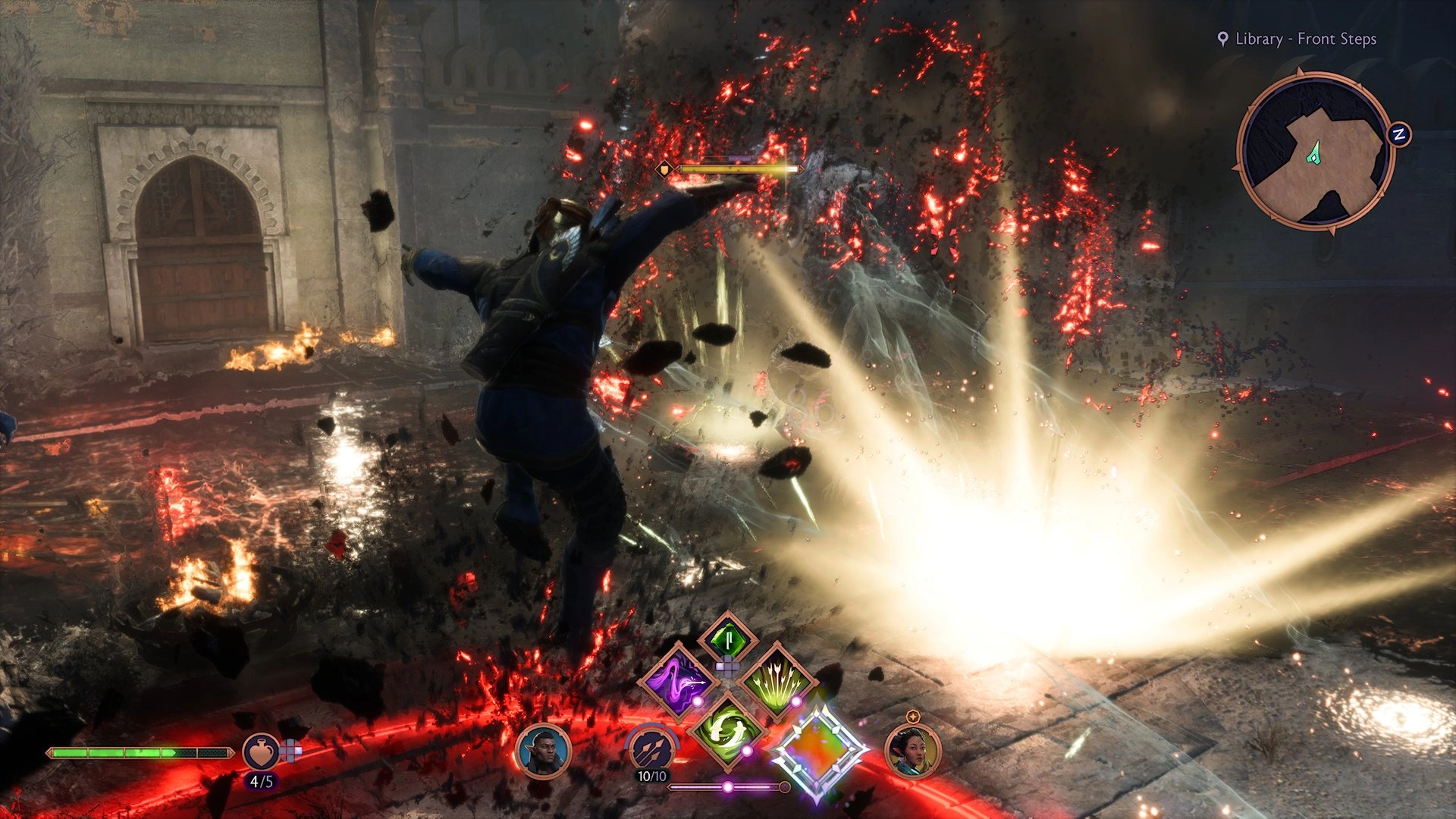
After a decade since the release of Dragon Age: Inquisition, BioWare makes a triumphant return with Dragon Age: The Veilguard. This game ends BioWare's series of less favored releases like Mass Effect: Andromeda and Anthem, bringing back the thrilling action-RPG elements that fans loved in Inquisition but with an entirely new storyline and characters that make the experience fresh and inviting.
Set a significant time after the events of Dragon Age: Inquisition, The Veilguard takes players far north into new territories, introducing a mix of intriguing new characters along with a few familiar faces from previous games. The narrative is designed so that newcomers can easily dive into the rich world without needing to have played earlier games, though long-time fans will find deeper emotional connections and enhanced narrative richness from familiar elements.
The game centers around a custom character called 'Rook,' who players can deeply customize—from physical appearance and background to combat class and pronouns—allowing every player to create their unique avatar in the Dragon Age universe. This level of customization extends into the gameplay, with a variety of combat styles and magical abilities that can be adapted and enhanced throughout the player's journey.
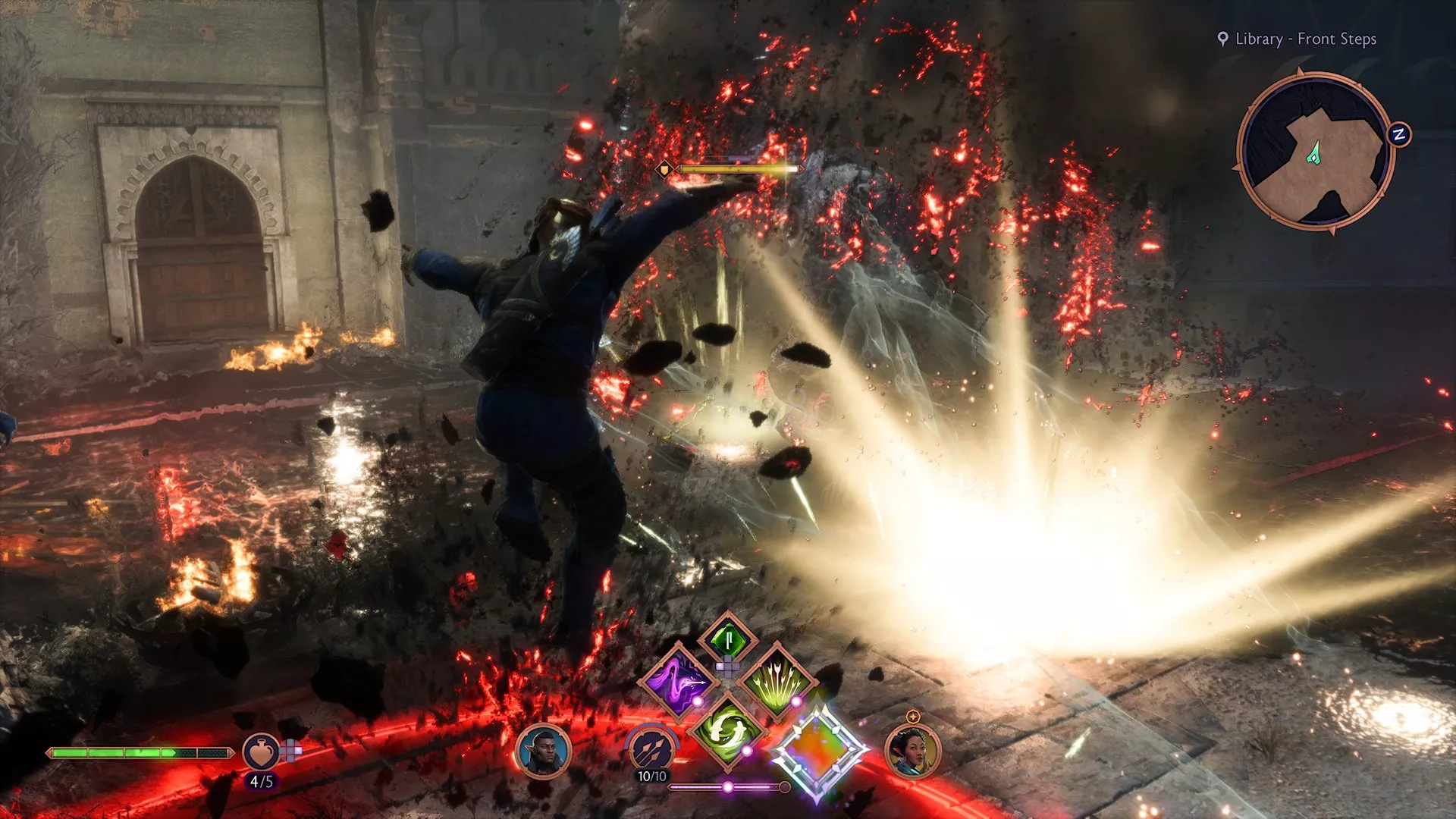
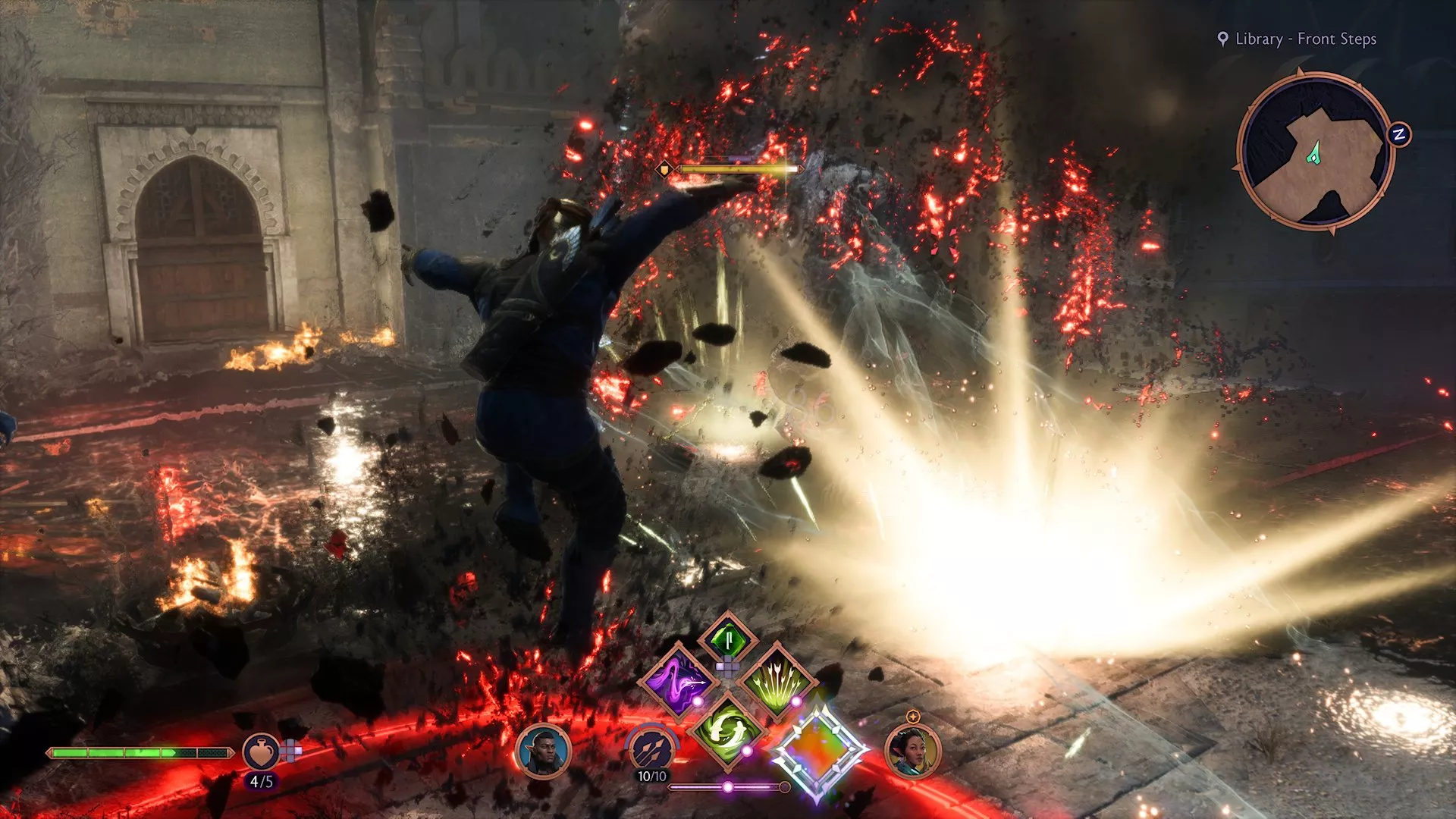
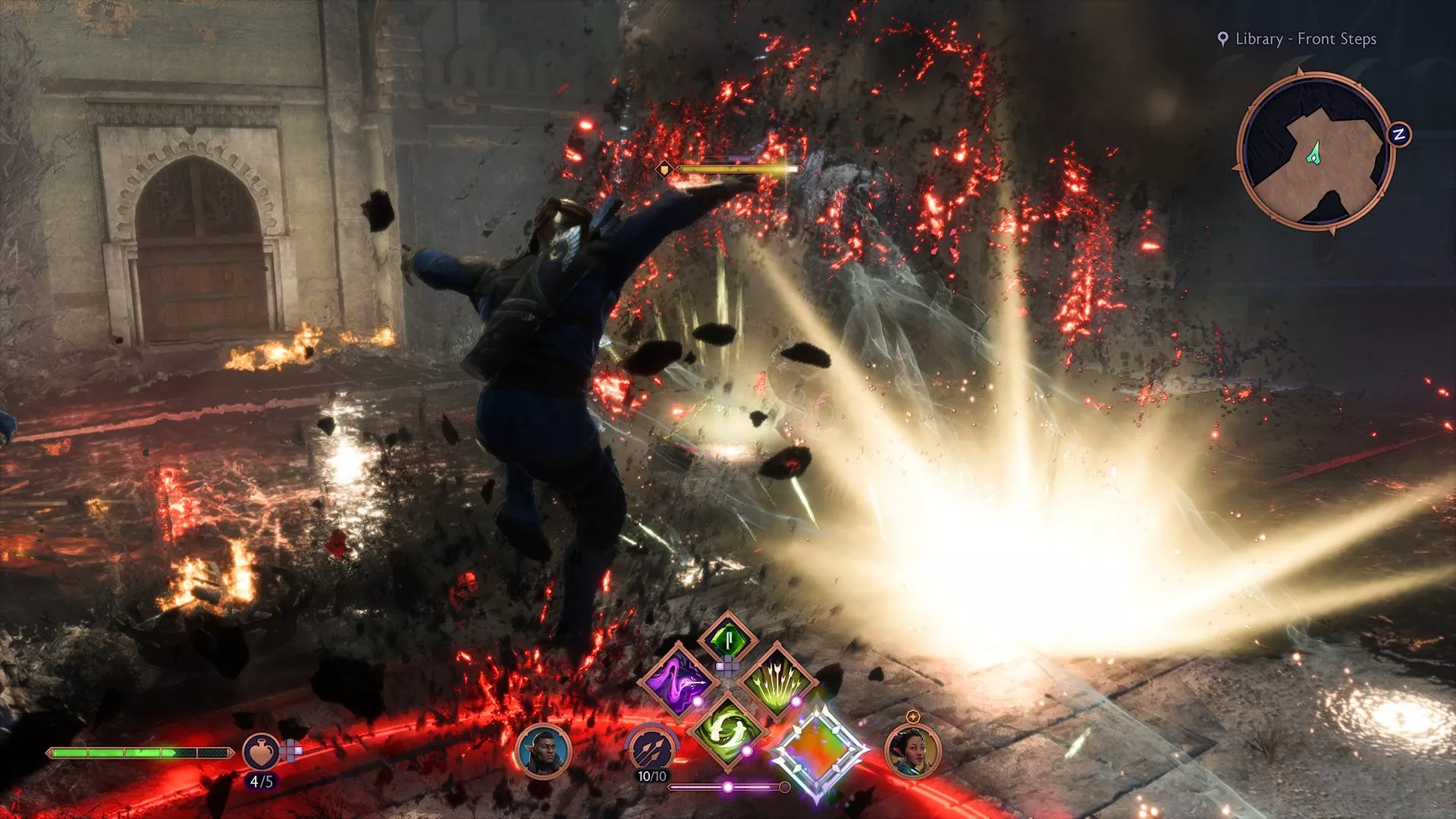
The combat system is one of the highlights of The Veilguard, described as both fluid and exhilarating. It has been likened to the combat seen in AAA titles like the God of War reboot, emphasizing active participation and strategic planning. Each class offers a unique way to navigate battles, from the rogue's agile and stealthy maneuvers to the mage's powerful spellcasting abilities.
Dragon Age's hallmark of impactful narrative choices remains a significant aspect, where players' decisions influence story outcomes, character relationships, and even gameplay dynamics. The depth of these choices promises significant replay value as players explore how different decisions lead to different consequences.
The game also boasts an array of environments, sprawling dungeons, and engaging side missions, encouraging exploration and interaction with the vividly crafted world. Each region offers unique challenges and opportunities, filled with enemies to battle and secrets to uncover. Enemy design is varied, keeping encounters refreshing and requiring players to adapt their combat strategies regularly.
BioWare has integrated a new system called transmog, which enhances customization further, allowing players to alter their character's appearance extensively without affecting gameplay statistics. This feature, combined with the game’s deep respec options, ensures that players can revise their play style and appearance with minimal constraints.
Graphically, Dragon Age: The Veilguard adopts a stylized aesthetic that seamlessly merges gameplay and cutscene visuals, creating a cohesive and immersive experience. While the game offers a 'quality' mode, playing in 'performance' mode is recommended for maintaining fluidity during combat.
Despite its many strengths, the game isn’t without minor flaws. Some players might find the navigation and fast-travel system a bit cumbersome in the latter parts of the game, although this does little to overshadow the overall positive experience.
In summary, Dragon Age: The Veilguard is not just a successful return to form for BioWare but a revitalization of the beloved franchise. It strikes an excellent balance between honoring its roots and embracing newer, more streamlined gameplay elements. This game is positioned as one of the premier RPG experiences of the year, appealing to a broad audience ranging from series veterans to newcomers eager for a rich and engaging fantasy adventure.

You must be logged in to post a comment!
