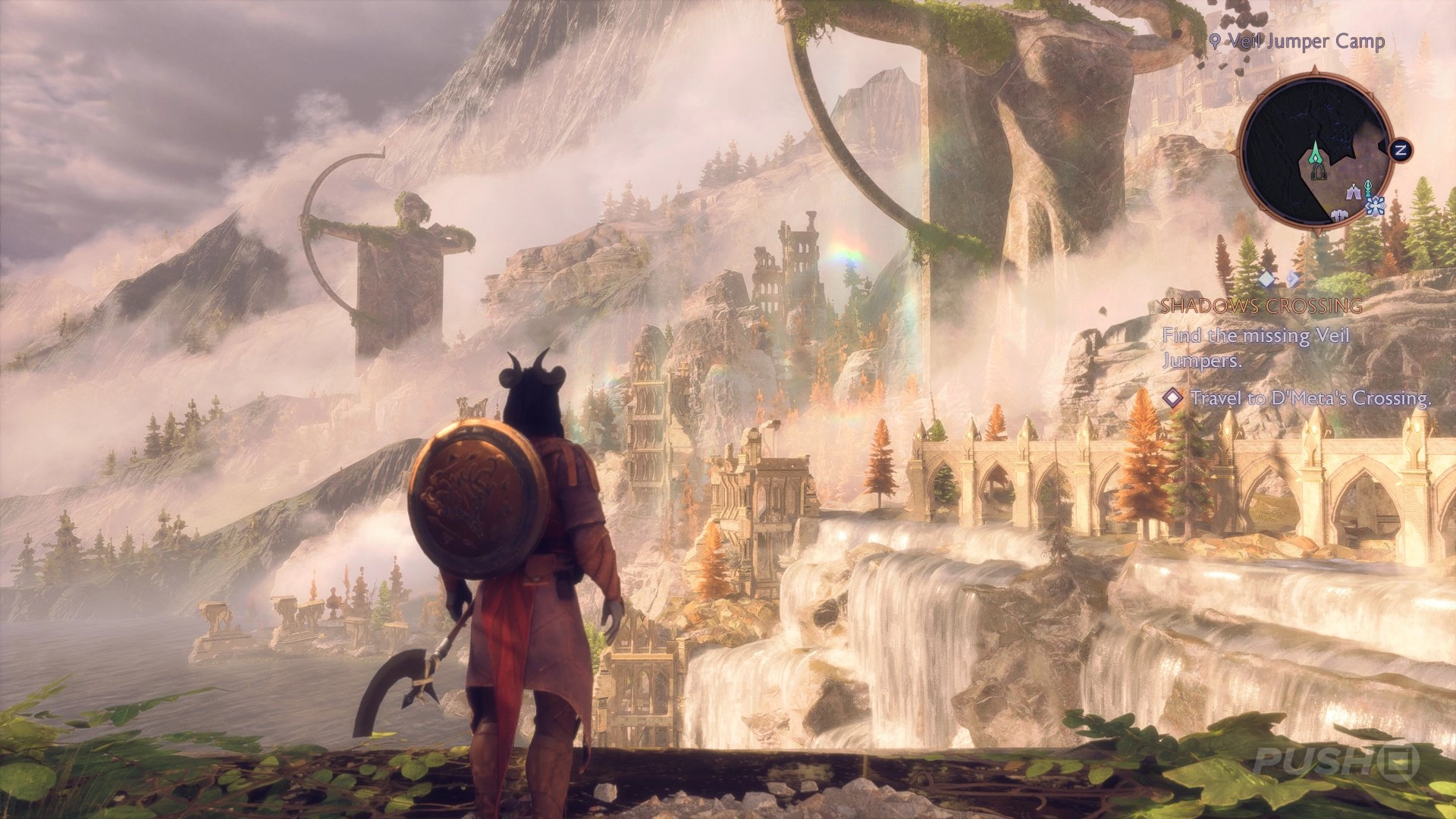
Nearly a decade after the release of Dragon Age: Inquisition, BioWare has returned with another installment in the beloved Dragon Age series, titled "Dragon Age: The Veilguard." Known initially as Dreadwolf during its development, this game marks a significant shift for the series, moving away from its classic CRPG foundations towards a more action-oriented RPG format.
After experiencing setbacks with titles like Mass Effect: Andromeda and ANTHEM, BioWare was under pressure to deliver a game that could restore its tarnished reputation. Dragon Age: The Veilguard emerges as a response to this challenge, bringing players back to the fantasy realm of Thedas and building upon the extensive lore established by its predecessors.
In "Dragon Age: The Veilguard," players take on the role of Rook, a fully customizable hero who must confront two ancient elven gods released from their ethereal prison. The game starts strongly with dynamic, fast-paced missions that set a dramatic tone, reminiscent of peak BioWare storytelling. Early decisions in the game allow players to shape Rook's background, race, and class, which significantly influence dialogue and interactions with the world and its factions.
The narrative is a direct sequel to Inquisition and its Trespasser expansion, although it occurs years later and can feel like a standalone game due to its new characters and settings. BioWare's knack for creating compelling characters shines here, although the new companions might not quite reach the iconic status of previous characters like Garrus or Morrigan.
Gameplay in The Veilguard has evolved significantly. Packed with action combat, the game features a new time-stopping command menu that allows players to strategize in battles, reminiscent of tactics used in Mass Effect. This blend of real-time action and strategic elements provides a satisfying combat experience that feels both fresh and familiar to the series.
The game's structure borrows heavily from Mass Effect 2, focusing on assembling a team to take down formidable foes. This leads to a web of character-driven storylines and quests. However, it's not without its shortcomings. Many dialogues in The Veilguard boil down to choosing how Rook reacts rather than significantly impacting the story's direction, and the frequent Marvel-esque one-liners can sometimes detract from the gravitas of the narrative.
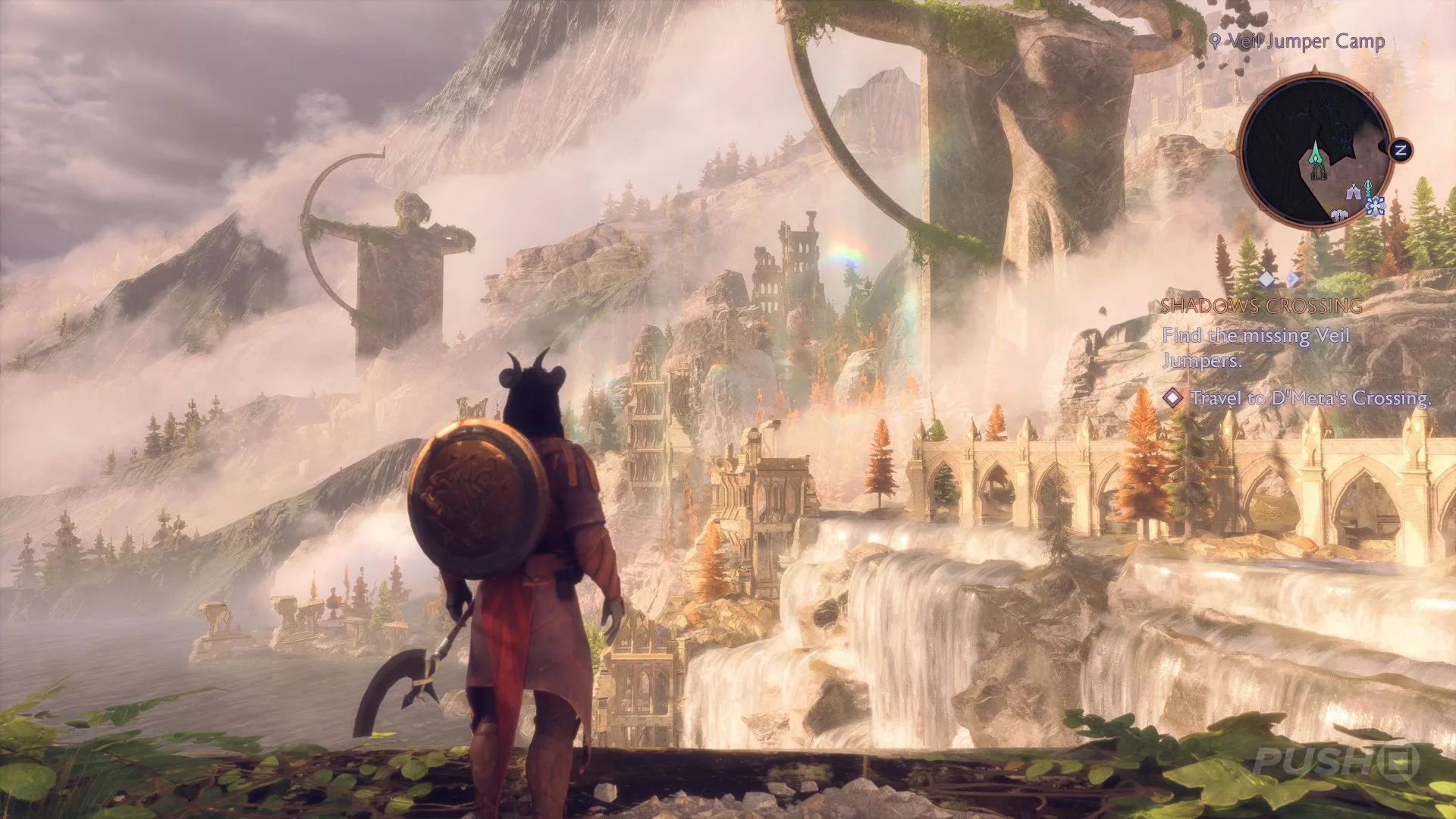
Visually, The Veilguard is stunning. The PS5's capabilities are fully leveraged to deliver breathtaking environments and smooth performance, with the game maintaining a consistent 60 frames per second in its performance mode. Load times are impressively brief, enhancing the overall gameplay experience as players travel between diverse and beautifully crafted locations using magical mirrors called Eluvians.
Despite its strengths, the game isn't without areas that could improve. The Veilguard attempts to balance open-world exploration with curated missions. While this approach reduces the bloat seen in Inquisition, it can still feel like there are too many unnecessary side quests. Furthermore, the combat can sometimes be overwhelmed with visual effects, which can obscure the action during intense battles.
In customization and settings, BioWare has excelled. Players can adjust a myriad of options, from UI elements to combat difficulty, allowing for a highly personalized gaming experience. This level of customization extends to combat, where players can tailor their approach through extensive skill trees that require deliberate choices to match their play style.
"Dragon Age: The Veilguard" signifies a bold step forward for BioWare, embracing changes while staying true to the heart of the Dragon Age franchise. With its engaging story, robust character customization, and dynamic combat, The Veilguard is a testament to BioWare's ability to evolve and adapt. It showcases the studio's commitment to reclaiming its reputation by focusing on what it does best — crafting compelling narratives and immersive RPG experiences.

You must be logged in to post a comment!
