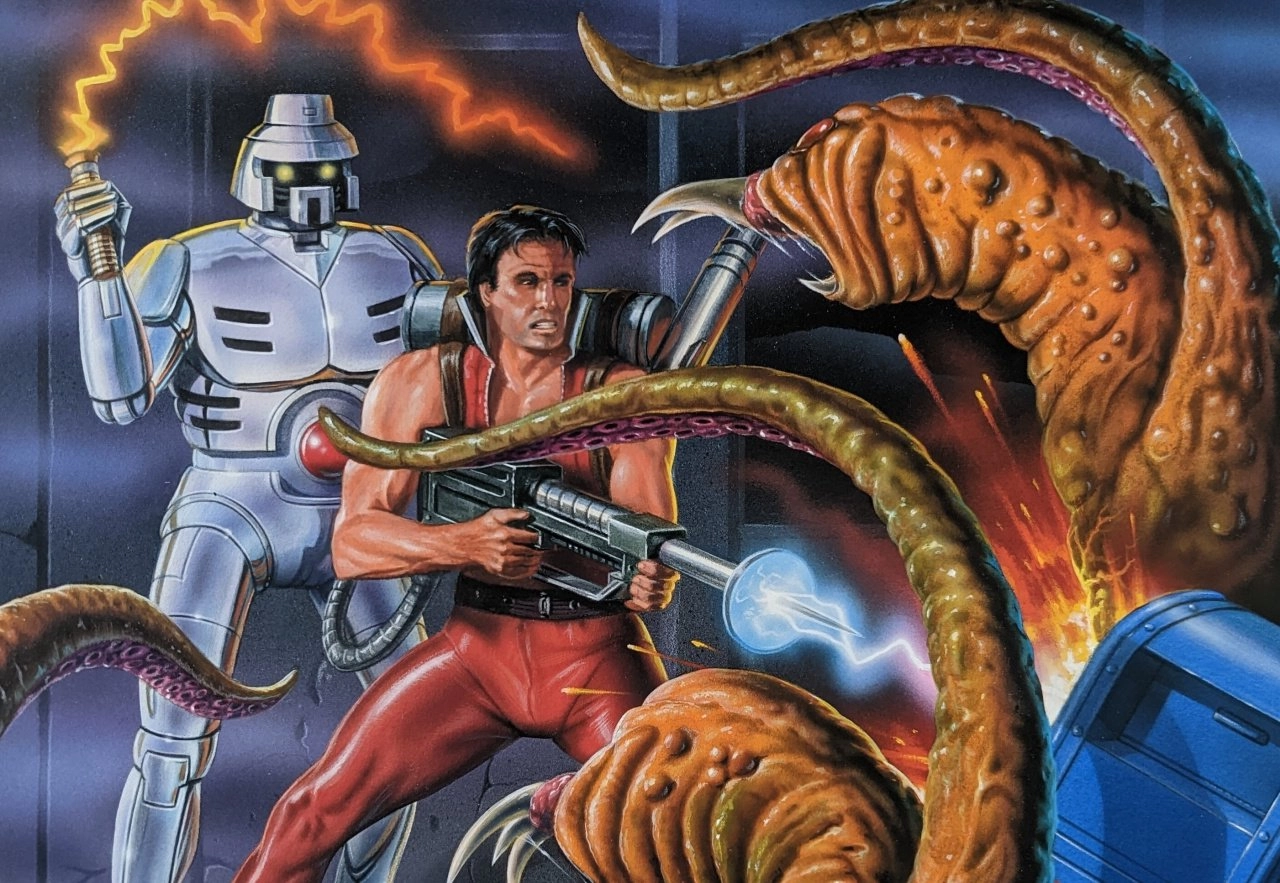
In a move that excites retro gaming enthusiasts, FPGA developer Jotego has released updates allowing two classic arcade games to be played on modern hardware platforms: the Analogue Pocket and MiSTer FPGA. These games, Alien Storm from Sega and Bionic Commando from Capcom, are considered iconic titles from the late 1980s and early 1990s. They are now accessible through new cores specifically developed for these contemporary systems.
The integration of these games onto modern platforms was facilitated through Jotego’s development of specialized cores named JTS18 and JTBIOCOM. The JTS18 core, which is still under active development, focuses on emulating Sega System 18 games. It currently supports other classics such as Shadow Dancer and Bloxeed. The JTBIOCOM core brings Capcom's much-loved Bionic Commando to life, providing a unique platform game experience where the protagonist uses a grappling arm instead of jumping to navigate levels.
Alien Storm, first released in arcades in 1990, is often seen as a spiritual successor to Golden Axe, despite its vastly different setting and gameplay mechanics. This beat ‘em up style game was widely popular for its cooperative play mode and was eventually ported to various home systems, including a notably altered version for the Sega Mega Drive. The game features a group of alien busters who navigate through urban landscapes, battling extraterrestrial beings threatening human civilization.
On the other hand, Bionic Commando, which debuted in arcades in 1987, introduced players to a unique mechanic within the platform genre. The game distinguished itself by having a protagonist who could not jump. Instead, players used a robotic grappling arm to swing across gaps and reach higher platforms, creating a novel and engaging gameplay experience. While the original arcade version had its charm, the NES adaptation was significantly different, tailoring its gameplay and story to suit the home gaming environment.
These games are currently exclusively available to Jotego's Patreon supporters. This dovetails with a growing trend where developers leverage crowdfunding platforms to provide dedicated fans with early or exclusive access to content. Supporters of Jotego on Patreon have the privilege of accessing these cores, allowing them to play these nostalgic games on their Analogue Pocket or MiSTer FPGA setups.
The resurgence of interest in retro games has been supported significantly by advancements in FPGA technology. FPGA, or Field-Programmable Gate Array, provides a highly adaptable hardware platform that can mimic the original hardware of arcade and console systems with great accuracy, thus preserving the authenticity of the gaming experience. Devices like the Analogue Pocket and MiSTer FPGA utilize this technology to emulate a broad range of systems from the past, appealing to both nostalgia-driven gamers and new players interested in the history of video gaming.
This development is part of a larger ecosystem where the preservation of video games is becoming more feasible and widespread. Developers like Jotego are at the forefront of efforts to keep classic games accessible and playable on modern equipment. By doing so, they not only help in preserving important cultural artifacts but also ensure that new generations can experience these games as they were originally intended.
As FPGA technology evolves and the community of retro gaming grows, it's likely that more classic titles will find new life on platforms like Analogue Pocket and MiSTer FPGA. For fans of vintage gaming, this is a win-win situation—access to beloved games continues to expand, lessening the risk of these games disappearing into obscurity. Whether you're a long-time fan or a newcomer curious about the roots of contemporary gaming, the work of developers like Jotego provides an invaluable bridge to the past, enhancing our understanding and appreciation of video game history.

You must be logged in to post a comment!
