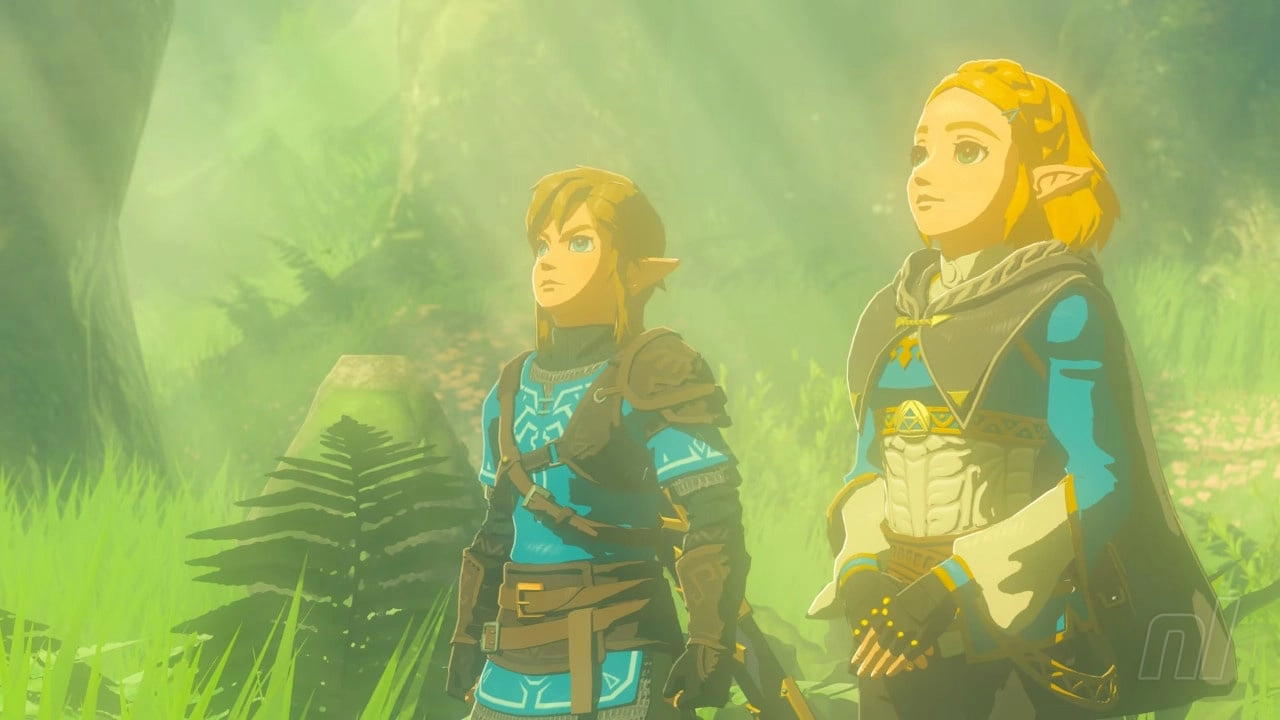
For fans of The Legend of Zelda series, deciphering the timeline and figuring out where each game fits within it has always been a beloved pastime. This speculation hit a high when players eagerly awaited the release of The Legend of Zelda: Tears of the Kingdom, with many wondering how it would connect to the larger narrative, especially since it was announced to follow the events of Breath of the Wild.
However, when Tears of the Kingdom finally launched, it did not provide a definitive answer to those timeline questions. It contained numerous easter eggs and acknowledgments of other games, but nothing substantial that would solidly place it in a chronological context with other entries like Ocarina of Time or A Link to the Past.
Hopes were then placed on insights from the game’s producer and director, Eiji Aonuma and Hidemaro Fujibayashi, respectively. During an interview with Game Informer, they addressed inquiries about how the development team considers the Zelda timeline while creating a new game. Despite the curiosity and hunger for answers, both were reticent to offer a clear-cut placement of Tears of the Kingdom within the franchise’s history.
Fujibayashi explained that the timeline is certainly something the team acknowledges due to the enjoyment it brings to the fans who love to theorize and ponder. However, he emphasized that it is only considered "to an extent," because getting too focused on a precise place within the timeline can prove to be stifling for the team's creativity. Ensuring a game fits perfectly into a predefined slot could lead to limitations that hinder the development of fresh ideas and new gameplay mechanics.
This approach by the development team is pragmatic, given that most Zelda games do not have a direct sequel or prequel, with each title mostly standing on its own. Forcing a new game into a strict chronological order could potentially compromise new features, like those introduced in Tears of the Kingdom, which could seem out of place when reflecting on technology or abilities present in past titles.
Among the few definitive aspects of the Zelda timeline is that Skyward Sword is the starting point, depicting the creation of Hyrule, the curse of Demise, and the cycle of reincarnation. It leaves us pondering how the flashbacks in Tears of the Kingdom fit around what we've assumed to be the 'beginning' and the mysteries surrounding ancient civilizations like the Zonai.
Even when probed further about these historical complexities, Fujibayashi offered a cryptic response, suggesting that even their internal understanding of the timeline might be flawed. He drew a parallel with real-life history, where understandings change based on new artifacts and data found. In essence, there might be multiple 'correct' answers depending on the current perspective.
As much as fans are eager for a concrete outline of the in-game universe’s history, allowing players to construct and tweak their theories offers a unique engagement with the series. Players can dive into the lore, looking for clues and forming their narratives, which adds depth to the experience of each game.
The interview covered more than just the timeline, including the creators' past collaborations and reflections on Ocarina of Time’s 25th anniversary. The possibility of Tears of the Kingdom receiving a sequel was also touched upon, though the likelihood seems slim, given the team's current sentiments.
Fans seeking more information and theories about where Tears of the Kingdom fits within the grand scheme of The Legend of Zelda’s expansive world will need to continue to explore and theory-craft, as the developers savor the intrigue and imagination that their loose approach to the timeline encourages. After all, half the fun in such a revered series lies not only in its gameplay but also in piecing together its intricate histories and speculating on its enigmatic lore.

You must be logged in to post a comment!
