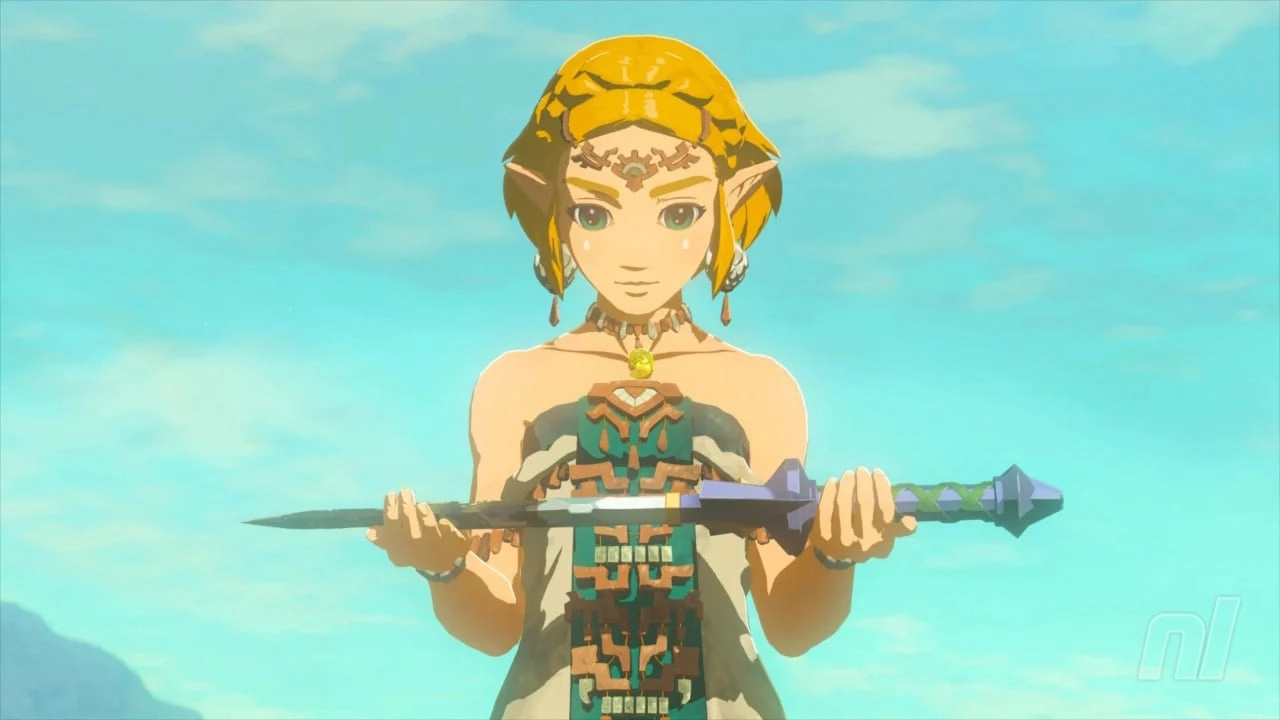
When developing a video game, many ideas are proposed and discarded, from gameplay mechanics to storyline elements and even the game's title. This was certainly the case with Nintendo's latest entry in their revered Legend of Zelda series. "The Legend of Zelda: Tears of the Kingdom," a highly anticipated sequel, underwent various transformations before its final iteration. One of the most intriguing aspects of its development was the consideration of a different name, as revealed in the newly released Zelda art book titled "Master Works."
The game's producer, Eiji Aonuma, disclosed in the book that there was a time when the title "Tears of the Dragon" was a strong candidate. This alternate title was seriously considered during much of the game's development. However, the title posed certain challenges, particularly related to plot spoilers and thematic emphasis.
Aonuma explained that naming the game "Tears of the Dragon" would unintentionally emphasize the Light Dragon, a crucial element within the game’s storyline. Concerns were raised that this could spoil a significant plot twist for players—specifically, the revelation regarding the Light Dragon's true identity being Zelda. This potential spoiler was deemed problematic enough to reconsider the game title.
As the development team brainstormed, they struggled to find a suitable alternative that did not give away too much of the game's plot or focus excessively on one aspect of the game's rich narrative tapestry. With time running out to finalize various aspects of the game for marketing and production, the pressure was on to choose an apt title.
Finally, a breakthrough came from within the team itself. A suggestion was made to incorporate the word "Kingdom" in the title, leading to the final name "Tears of the Kingdom." This title was not only evocative but also broad enough to encapsulate the grandeur and scope of the game's setting and storyline without giving away specific plot details. Moreover, it maintained a thematic connection to the Light Dragon, albeit in a more subdued and less direct manner.
Further insights into this decision process, as well as other intriguing details about the game's development, are contained within the "Master Works" art book. The book offers fans a behind-the-scenes look at the creative challenges and decisions that shaped "Tears of the Kingdom." It covers various elements from design choices, character development, and even the creation of game mechanics like the Ultrahand and the composition of the final boss battle.
The release of information like this is carefully timed by Nintendo to maintain excitement and intrigue without revealing too much, a strategy that has kept the Zelda fan community buzzing with anticipation and speculation. This careful curation of information release ensures that fans' experience of exploring the game remains as fresh and surprising as possible.
The discussion of what could have been with "Tears of the Dragon" provides a fascinating glimpse into the complexities of game development. It highlights how even elements as seemingly straightforward as the title involve deep consideration of narrative impact, thematic relevance, and player experience. As "The Legend of Zelda: Tears of the Kingdom" continues to captivate players around the world, the insights from its development process enrich the appreciation for the meticulous craft involved in bringing such an expansive and immersive world to life.

You must be logged in to post a comment!
