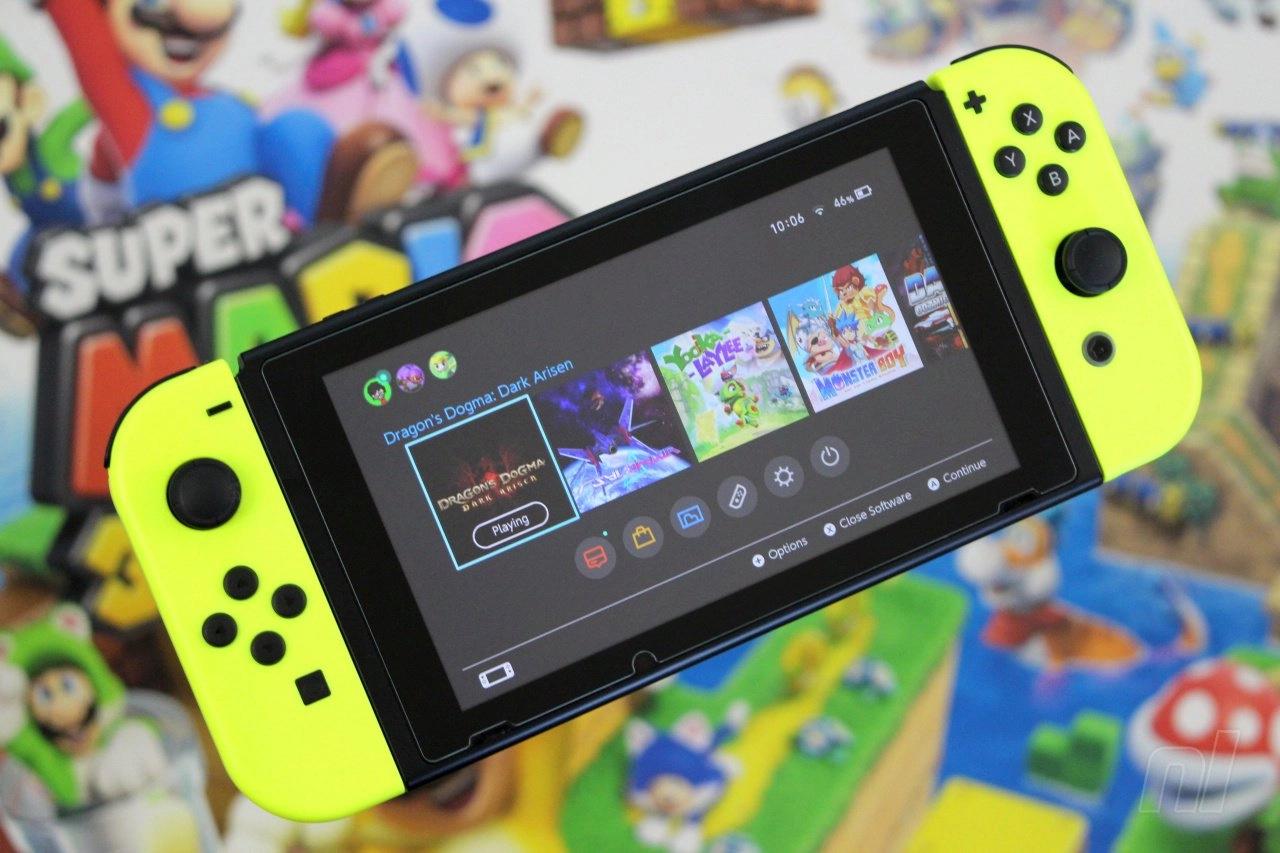
In a rapid succession of legal events, the video game industry behemoth, Nintendo, has put an end to two prominent emulators, Yuzu and Citra. Both, originally designed to emulate the Nintendo Switch and the 3DS respectively, have been the subject of a lawsuit filed by Nintendo against Tropic Haze, the group behind these projects. The lawsuit concluded with an agreement for Tropic Haze to pay Nintendo a sum of $2.4 million in damages.
The dispute revolved around the digital rights related to Nintendo’s gaming consoles and the games played on them. Emulators like Yuzu and Citra have allowed players to run games designed for Nintendo consoles on other platforms, such as personal computers, without the need of the actual gaming hardware. While emulators serve as a means for enthusiasts to play games beyond the original hardware's lifespan, they also pose significant challenges to intellectual property rights and can potentially encourage piracy.
Nintendo has a well-documented history of protecting its intellectual property rights, often taking action against websites, companies, or individuals that infringe upon their gaming titles or hardware innovations. The company argues that such emulators circumvent technological protections they place on their games and systems, which can lead to unauthorized reproduction and distribution of their content.
Following the legal actions, Tropic Haze made a public statement noting their stance against piracy, expressing disappointment that their software was used to leak and play games illegally. The intent behind their projects, according to them, was born out of passion and good faith to support gaming communities, not to facilitate piracy.
Despite the claims of the developers, the court documents reveal a firm stance from Nintendo, asserting that emulators like Yuzu are explicitly designed to bypass their console’s security features, therefore breaching the Digital Millennium Copyright Act (DMCA). As part of the agreement, Tropic Haze must cease all development and distribution activities related to the emulators. Additionally, they are required to turn over any related domains and rights to Nintendo, along with any physical or digital tools used to circumvent Nintendo’s security on their consoles.
Observers within the gaming community have sounded off on this development, with some expressing understanding of Nintendo’s rights to protect their content, while others critiqued the company's lack of initiative in game preservation, which they believe emulators help to address.
The closure of Yuzu is a notable example in the ongoing conversation about emulation and intellectual property rights in the digital age. Emulators have long existed in a gray area, often touted for their role in preserving games from obsolete systems but challenged when they encroach on current platforms and titles.
As the aftermath of the legal agreement transpires, it has sparked questions within the gaming community regarding the future of emulation. The source code for these emulators may still be out there, held by individuals who downloaded the projects before they were ordered to be taken down. The impact this will have on other emulator projects and the broader emulation community remains to be seen.
For Nintendo, this is yet another win in their steadfast effort to reinforce their control over their intellectual property. For emulator fans, this serves as a stark reminder of the complexities involved in balancing the love for vintage gaming, the propagation of gaming culture, and the respect for copyright laws.
Only time will tell how this event might shape future developments, legal actions, and the very fabric of the emulation sphere. Will there be more lawsuits? Will emulator developers find new ways to bypass legal restrictions? Or will there be a resurgence in the call for companies like Nintendo to provide more comprehensive legacy support for their catalog of games? These questions hang in the balance as the community watches and waits to see what comes next in the incessant game of cat and mouse between copyright holders and emulator enthusiasts.

You must be logged in to post a comment!
