Within the expansive Marvel Cinematic Universe (MCU), there exists an array of complex characters and cosmic entities, but one recurring element has often flown under the radar—Yggdrasil, the Tree of Life from Norse mythology. Although many fans associate the rich lore of Norse myths with the character of Thor, Yggdrasil's influence extends far beyond, intricately woven into the MCU's sprawling narrative tapestry.
The concept of Yggdrasil first found its roots in the MCU through visual cues and subtle references. In Captain America: The First Avenger, a film that launched the iconic character into the modern age, a drawing of Yggdrasil can be spotted, hinting at the interconnected stories that would later define the universe. Furthermore, the tree symbolically graced the end credits of the first Thor movie, aligning with the introduction of a character deeply connected to Norse mythology.
Thor's solo films, being directly tied to Norse legends, naturally delve into the concept of Yggdrasil and the Nine Realms. In the first Thor film, the titular protagonist explains the tree's significance to Jane Foster, giving viewers a glimpse into the cosmic structure that the Asgardians navigate. This also symbolically connects the Asgardians to the flow of life and death, with Thor's lightning bolt in Thor: Love and Thunder mirroring Yggdrasil's form as he empowers children—a nod to the tree's life-giving essence.
Moreover, fans have noticed the tree's design on Thor's attire, subtly reminding viewers of the pervasive presence of Yggdrasil within the MCU's narrative. These recurring motifs underscore Yggdrasil as not merely a symbol but as a constant cosmic backdrop for these interconnected stories.
It's not just the symbols and dialogues that bear the imprint of this sacred tree; the visual storytelling of the MCU also harnesses its symbolism. The Tesseract, a powerful artifact within the MCU, was discovered in the wall of Yggdrasil—a fact that fans have found particularly poignant, as it goes to show the central role that Yggdrasil plays in the balance of cosmic powers within the Marvel films.
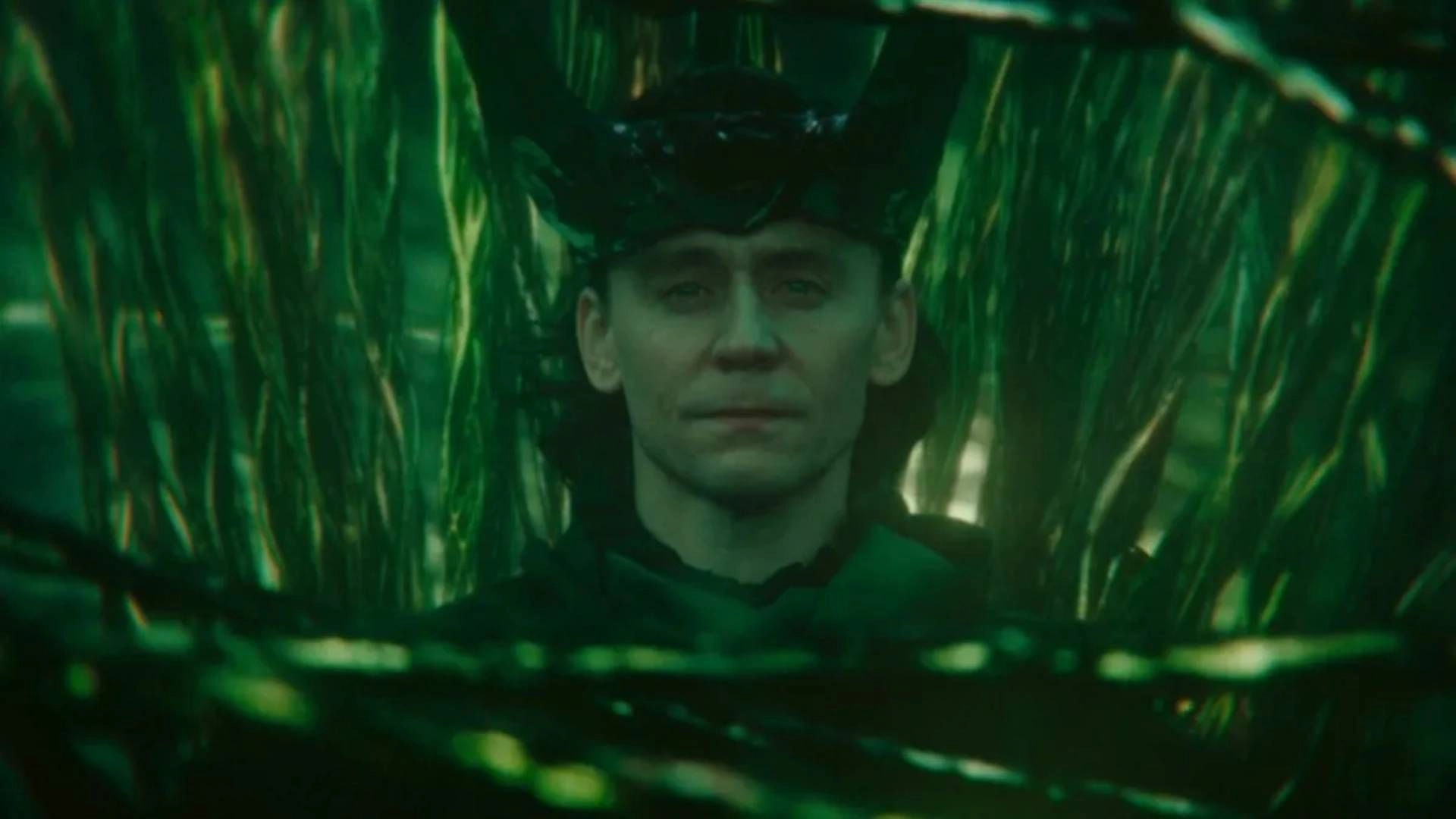
The full extent of Yggdrasil's role became strikingly apparent in the Disney Plus series Loki. In a dramatic twist consistent with the MCU's penchant for redefining mythical elements, Loki himself becomes the living embodiment of Yggdrasil in the Season 2 finale. In this reinterpretation, Loki is positioned at the very heart of the multiverse, with the tree's analog supporting not just the Nine Realms, as in traditional Norse mythos, but all divergent realities across the multiverse. With this revelation, Loki, known as the God of Mischief, takes on an entirely new mantle, becoming a God of Time.
This revelation was well-received by Marvel enthusiasts, who respected the show's ingenuity in integrating Yggdrasil in this manner. Fans have lauded the careful placement of the symbol across the MCU, remarking on how even though there are significantly more than nine realms in the cinematic universe, Yggdrasil has been featured meaningfully and contextually.
The discussion surrounding Yggdrasil in the MCU is reflective of fans' deep engagement with the universe's storytelling fabric. The tree's presence has been a compelling cosmic motif, seamlessly incorporated into the narrative. It demonstrates the MCU's commitment to world-building, layering in elements of myth and legend throughout a modern superhero saga.
As Loki seasons 1 and 2 continue to stream on Disney Plus, the anticipation for future projects involving this central mythic element remains high. With a slate of upcoming Marvel movies and shows in the pipeline, audiences are keen to see how Yggdrasil will further influence the ever-evolving narratives. As the MCU grows, so too does the legend of Yggdrasil, which has become more than just a mythic throwback—it's an essential fiber in the ever-unfolding tapestry of Marvel tales.

You must be logged in to post a comment!
