The gaming community has recently been set abuzz with rumors suggesting that Microsoft might be reconsidering its strategy with the Xbox. Instead of concentrating on console hardware, discussions are happening about potentially taking many Xbox exclusive titles to competing platforms. This news has undoubtedly stirred up a lot of debates and raised questions about the implications for gamers and the industry at large.
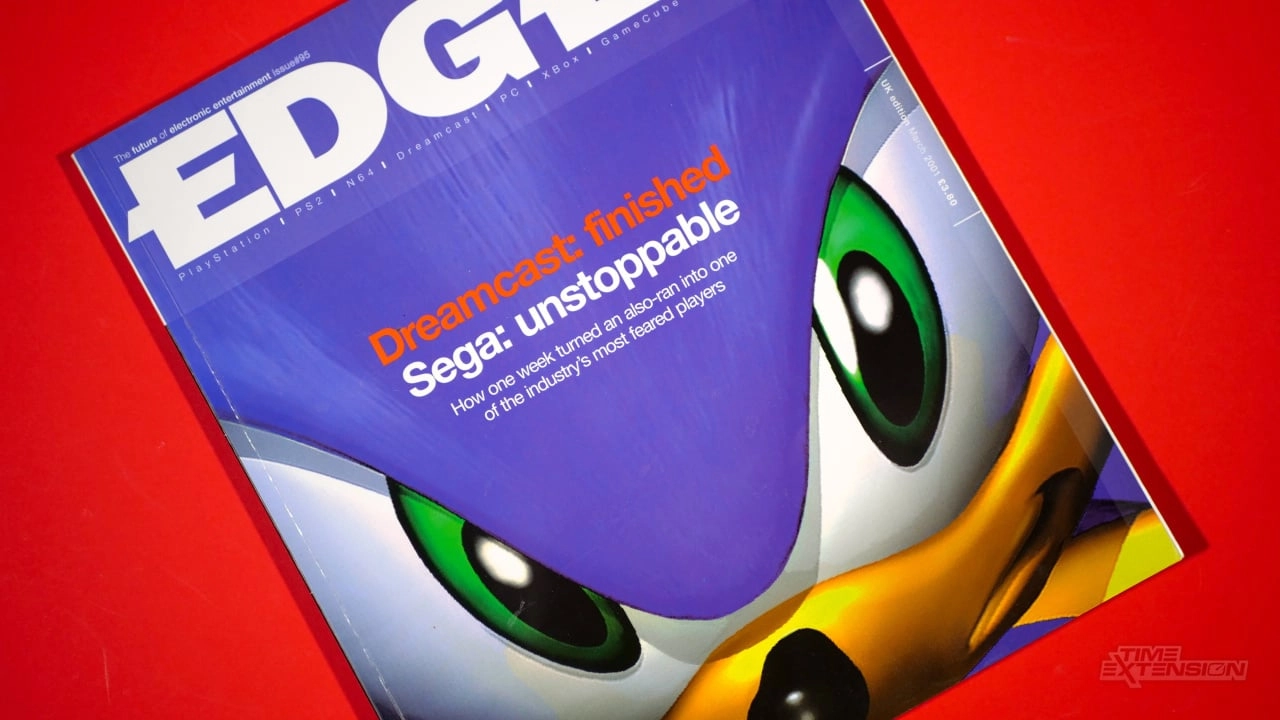
To understand what this shift could mean, it's enlightening to revisit a similar situation from the past. In the 1990s, Sega was a dominant force in the video game market, fiercely challenging Nintendo's supremacy. However, by 2001, after the financial letdowns of its Saturn and Dreamcast consoles, Sega found itself in a precarious situation with a dire need for change. The once-profitable company was reporting losses, culminating in a decision to exit the hardware market to become a third-party publisher. This allowed Sega to deliver its games across multiple platforms, including the PlayStation 2, Xbox, GameCube, and Game Boy Advance.
This courageous step did not magically convert Sega into a profitable entity overnight, but it did eventually pay off. The transition to software development was rocky, including necessary financial moves like a merger with Sammy in 2004 to stabilize the company's future. Fast forward to the present, and Sega is still a recognizable name, generating a significant revenue of about 1.67 billion USD in 2020. This might not parallel its golden hardware days, but it represents success that might have been unattainable had Sega persisted in manufacturing loss-making hardware. This strategic pivot probably saved the brand and allowed it to continue offering beloved titles to a broader audience.
The current dilemma Microsoft faces with Xbox isn't quite as grim as Sega's situation. The Xbox Series consoles may lag behind Sony's PlayStation 5 in sales, yet Microsoft is nowhere near exiting the business. Nevertheless, embracing a multiplatform model could serve Microsoft well, allowing its games to reach the widest audience possible, enhancing financial success despite potential pushback from dedicated fans. The successful diversification of Sega lends credibility to the idea that such a move might be equally beneficial for Microsoft.
Consider the reality we're in today—where a Sega classic is accessible not only on consoles from Sony and Microsoft but also on PC. It's a testament to the power of being platform agnostic. As we approach an era where game streaming could become the norm, the necessity for physical consoles might diminish, favoring tech giants that adapt swiftly.
Microsoft's shift, if it materializes, could have far-reaching impacts on the industry. Sony and Nintendo gamers might, in the not-so-distant future, find themselves enjoying first-party Xbox titles like Halo or Forza on their preferred systems. This would mark a significant change in the console landscape, one that may forge unexpected alliances and consumer benefits.
While we can look to Sega's history for clues, the magnitude of the change for a company the size of Microsoft is unprecedented. We're navigating uncharted waters as the colossal vessel that is Xbox considers this strategic course alteration. For gamers and the industry, the potential transformation of Xbox into a multiplatform publisher promises to make the coming years fascinating.
Engaging with the possibility of Xbox following Sega's footsteps reveals an intriguing future for gaming. A future where the distinction between competing consoles blurs, and gaming experiences become accessible regardless of your preferred platform. Whether or not this future comes to fruition, the discussion itself highlights an essential truth about today's gaming landscape: adaptability and outreach might just define the next generation of gaming.

You must be logged in to post a comment!
