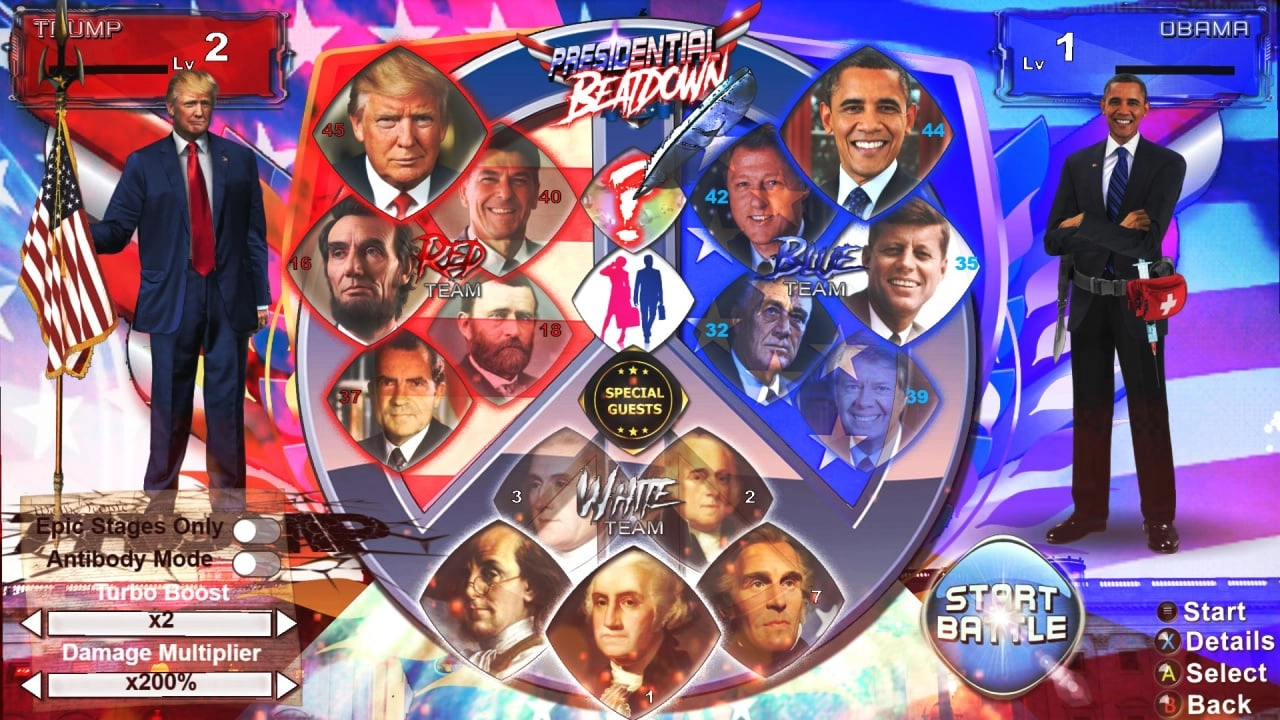
In a rather unexpected twist of political commentary, a Republican strategist, during a CNN segment, posited that the Xbox might be a significant rival to Donald Trump in the 2024 US Presidential election. This intriguing statement comes off as a sensational personification of the broader battle for the attention of young, potentially apathetic voters who are more interested in video games than political engagement.
The assertion made by Republican strategist Brad Todd presents a metaphorical analysis rather than a literal competitor scenario. Todd explained that Trump’s true challenge in the upcoming election resides in mobilizing young male voters who might prefer engaging with their Xboxes over participating in the electoral process. His point underscores a demographic that is traditionally harder to reach with standard political messaging and may require different strategies to draw their attention away from entertainment and into civic responsibility.
This perspective stirred a mix of intrigue and skepticism among the audience, given its peculiar comparison between a gaming console and a political figure. It suggests a scenario in which entertainment platforms like the Xbox hold significant sway in the lifestyle and priorities of certain voter segments, potentially impacting their likelihood to vote.
Such claims are not entirely without precedent. There is increasing recognition of the influence of entertainment and technology on youth culture and habits, including their civic engagement. Studies have shown varying degrees of political disengagement among younger populations, who report feeling disconnected from or disillusioned by traditional political discourse. Here, Todd draws a parallel, using the Xbox as a symbol for the broader themes of distraction and disengagement seen among some young voters.
Interestingly, the commentary also reflects upon the changing landscape of electoral strategies where digital outreach, gamification, and engagement through new media are becoming more crucial. This is evidenced by other political figures and campaigns creatively engaging with digital platforms and even video games to reach voters. For instance, Kamala Harris and her running mate Tim Walz have reportedly been involved in activities like introducing an official map in Fortnite as part of their campaign efforts, tapping into the gaming community for broader outreach.
The mention of Xbox in political discourse also captures a thoughtful, albeit controversial, narrative about modern electoral challenges. It highlights how politicians not only compete against each other but also against any entity that commands the attention and loyalty of their potential voters. The idea that a game console could figuratively embody a political opponent emphasizes the unconventional and highly mediated environment in which modern political campaigns operate.
Beyond its shock value, Todd’s statement may also be seen as a call to action for more innovative and relatable campaign strategies that effectively engage younger demographics who are immersed in digital culture and entertainment. Such strategies might involve more direct engagement in the digital spaces where potential voters spend much of their time, or campaigns that reflect the interactive, dynamic experiences that younger people favor.
Furthermore, this discussion opens up questions about the impact of media consumption on political awareness and participation. As younger generations grow up with profound tech integration in every aspect of life, understanding their interaction with technology becomes pivotal in predicting and influencing their political behaviors. This scenario raises important considerations for both political strategists and democratic societies at large about the evolving dynamics of voter engagement.
The unexpected juxtaposition of a gaming console and a political candidate as rivals in an election cycle might initially seem far-fetched, but it encapsulates broader themes relevant to today's political and technological climate. As the boundaries between different aspects of life become increasingly blurred, the traditional approaches to political campaigning and voter engagement may need significant rethinking to effectively resonate and mobilize different voter demographics.

You must be logged in to post a comment!
