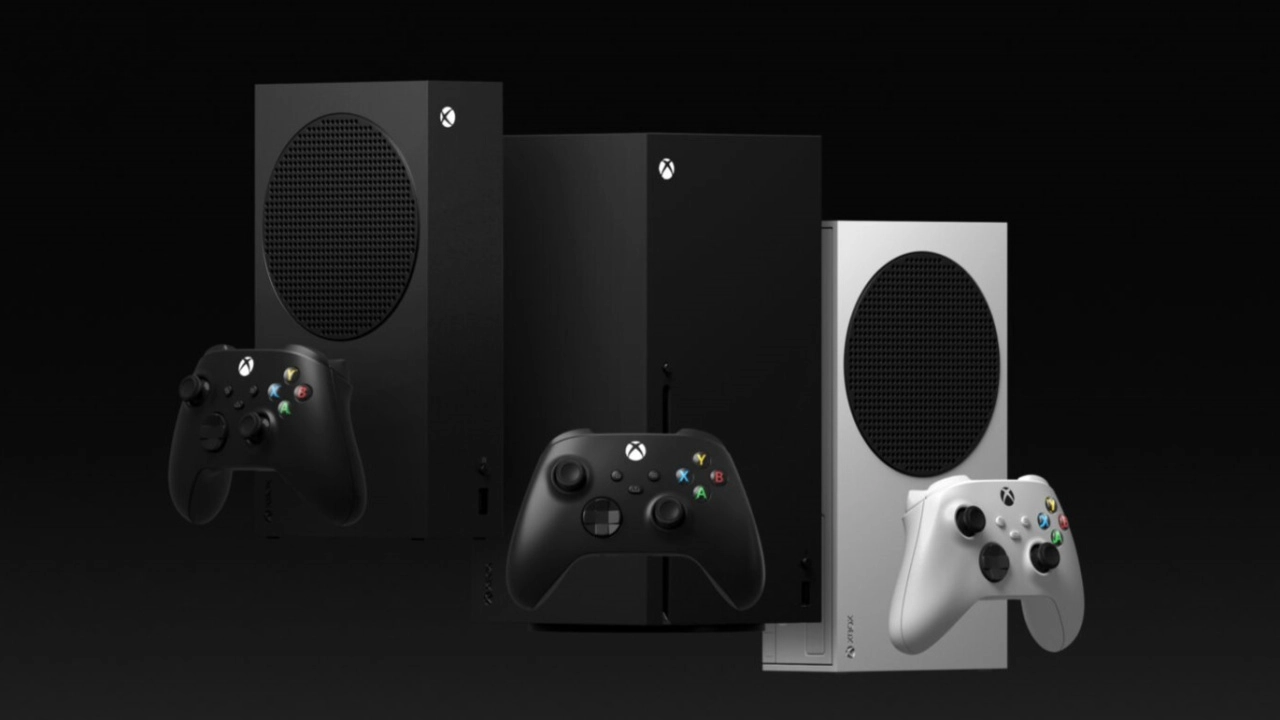
The first quarter of 2025 financial results for Xbox depict a contrasting scenario. On one hand, Xbox hardware sales have seen a significant decrease, marking a 29% decline compared to the same period last year. This follows a trend from the previous quarter, where hardware revenues plummeted by 42% year-on-year. This downturn reflects the challenges in the gaming console market and shifting consumer preferences toward more versatile gaming solutions.
Despite the dip in hardware sales, Microsoft's strategy appears to be adjusting well to market demands, particularly in expanding its digital offerings. The Content and Services segment of Xbox reported a substantial increase, soaring by 61% compared to last year’s figures. A notable portion of this growth, approximately 53 percentage points, is directly attributable to the recent acquisition of Activision Blizzard, a move that has evidently bolstered Microsoft's gaming division.
This acquisition has not only enhanced Xbox's gaming library but has also reaffirmed its commitment to cloud gaming and broader content availability. This is evident from the increasing emphasis on cloud gaming services and partnerships with various technology platforms such as Samsung TVs and Amazon Fire Sticks. These collaborations aim to make Xbox games more accessible across a range of devices, not limited to Microsoft's consoles. Such initiatives highlight a strategic pivot from traditional hardware reliance to a more diversified approach, focusing on digital content and wide-reaching service accessibility.
One of the noteworthy titles driving this new direction is "Call of Duty: Black Ops 6," touted as the biggest launch in the series. The game's availability across different platforms, including Xbox Series X|S and devices capable of accessing Xbox Cloud Gaming, exemplifies the broadened scope of Microsoft's gaming reach. This strategy ensures that flagship games are not just limited to console owners but are accessible to a wider audience, thereby increasing participation and engagement.
Aside from expanding its gaming ecosystem, Microsoft’s shift towards digital and cloud-based services also reflects a broader industry trend where digital content and subscription-based models are becoming increasingly predominant. The success seen in the Content and Services sector might suggest a sustainable growth path for Xbox, even as hardware sales wane.
Moreover, the integration of high-profile games into the Xbox Game Pass—like adding two 'Call of Duty' cloud titles and "Black Ops 6"—continues to make the service more appealing and value-driven for subscribers. This move not only boosts game accessibility but also enhances the value proposition of Xbox’s subscription service, potentially offsetting the impacts of declining hardware sales.
Looking ahead, it's clear that Xbox is evolving from a console-centric identity to a more comprehensive gaming service provider. As the digital landscape continues to transform, Xbox’s ability to adapt and embrace these changes will be critical in maintaining its competitiveness and relevance in the gaming industry. By leveraging its strong content offerings and expanding service accessibility, Xbox is positioning itself for continued success in a rapidly changing market.
This strategic pivot, although forced by declining hardware sales, positions Xbox to capitalize on the growing demand for flexible and diverse gaming experiences. As the company continues to expand its digital footprint and enhance its service platforms, the future looks promising for Xbox to redefine gaming beyond the confines of traditional hardware.

You must be logged in to post a comment!
